
Last updated November 24, 2026
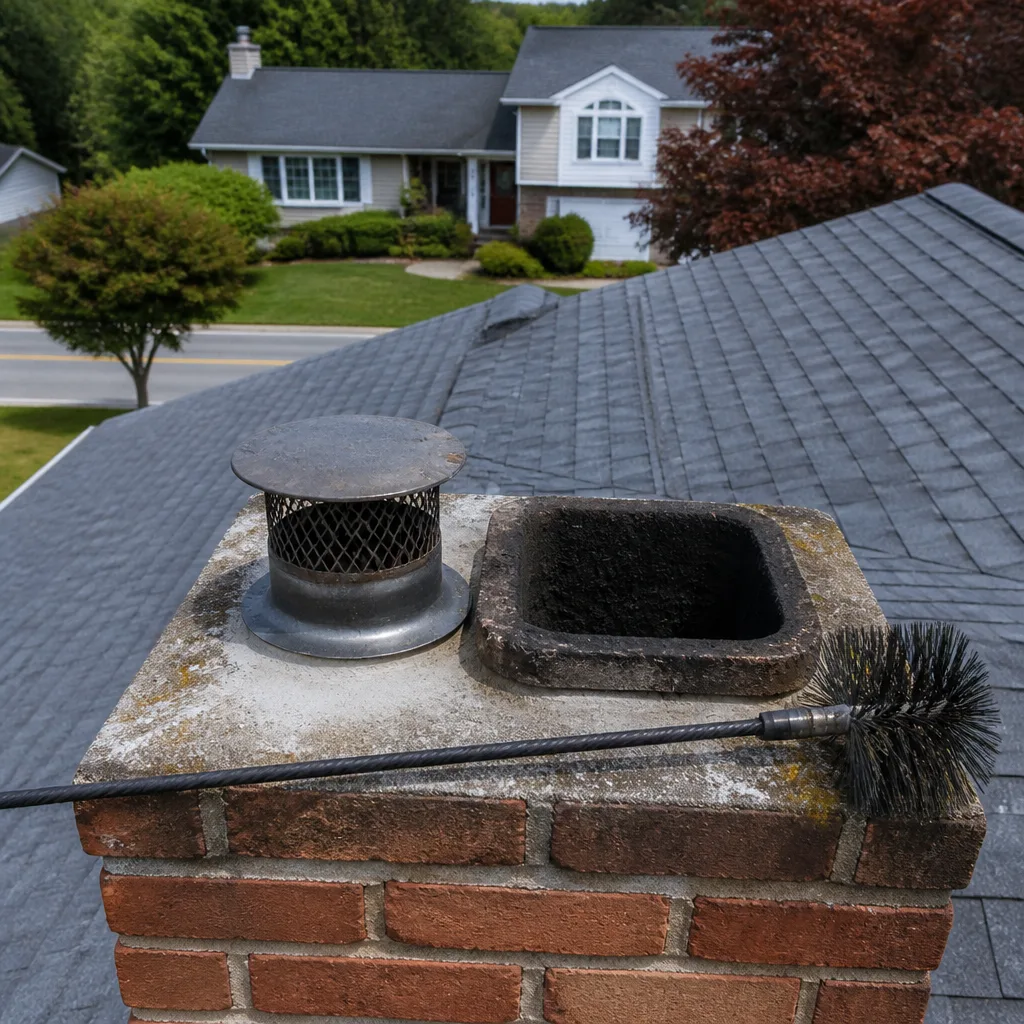 Sweep & inspection
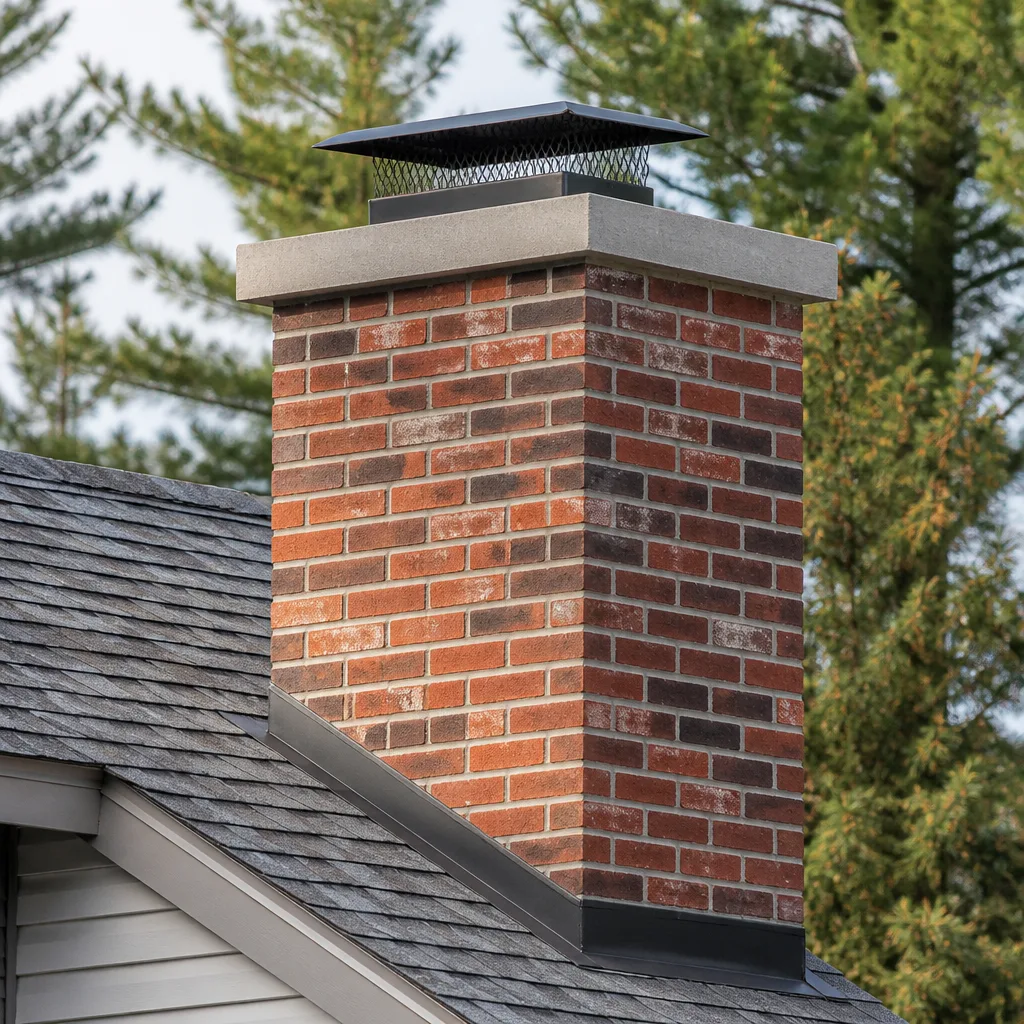 Caps & crowns
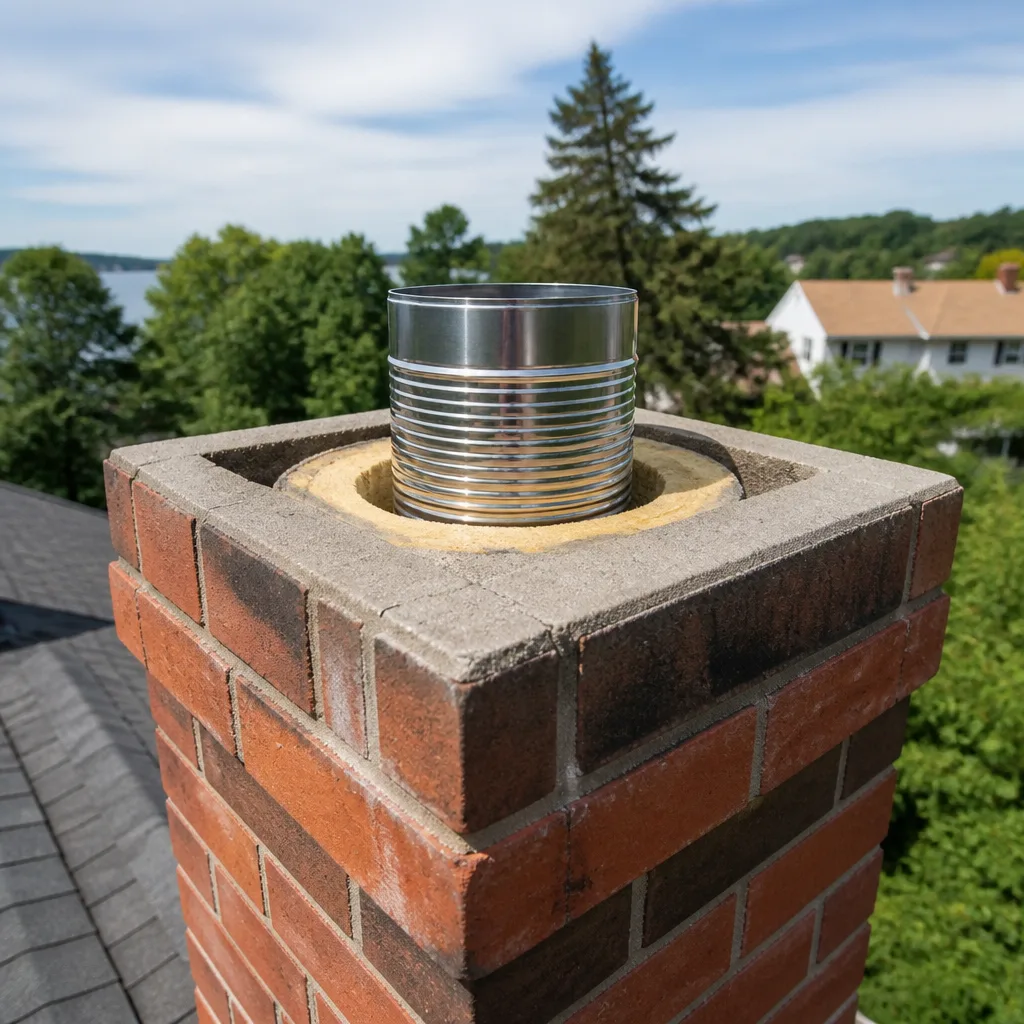 Flue relining
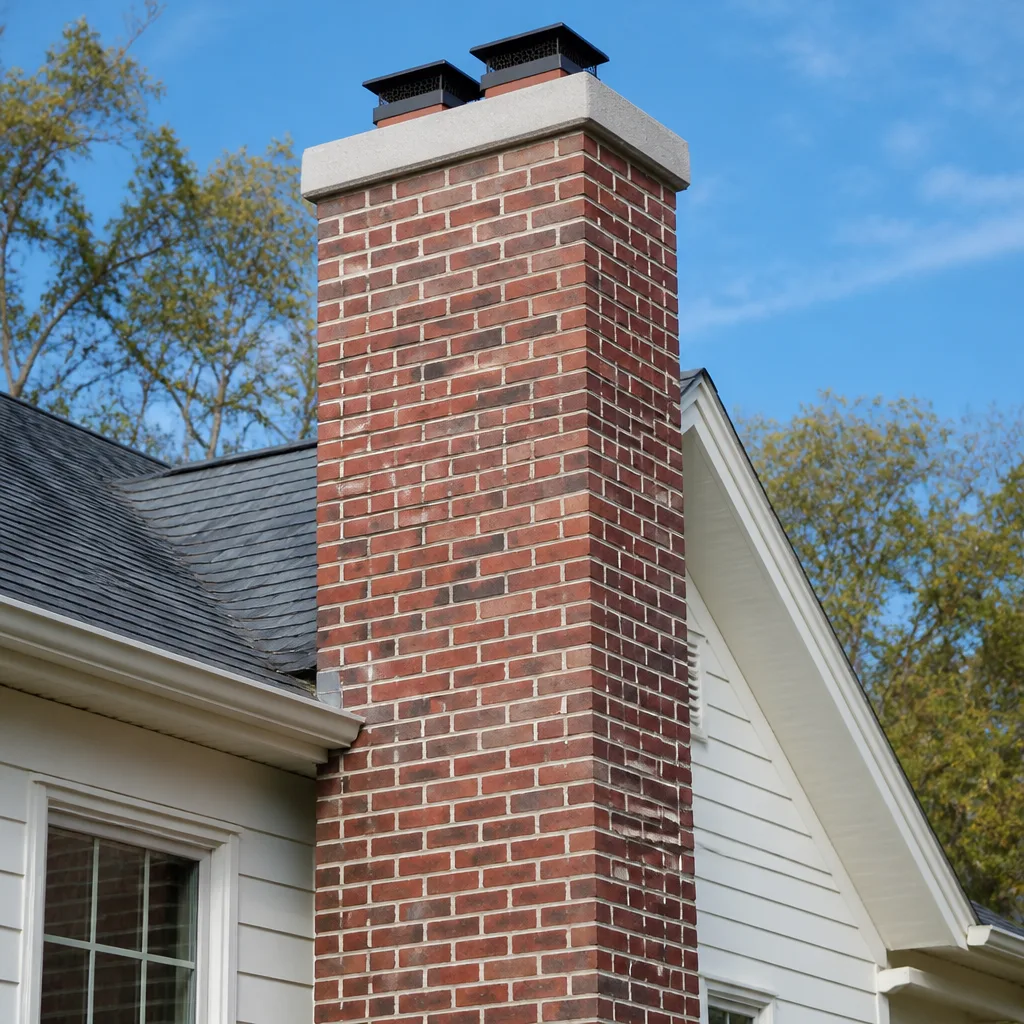 Masonry repair
 Gas fireplace service
Level 1 sweep and inspection to the NFPA 211 annual standard - flue, crown, cap, and flashing checked and photographed
Chimney sweep logs do not sweep chimneys. They loosen some creosote - which then falls where a brush and vacuum still have to collect it.
Chimney Cleaning Warning Signs: A Roy Homeowner’s Reference Guide
Most chimney warning sign articles start with the same short list: smoke rolling into the room, a strong smell, black buildup you can see. Those are real signs, but they show up late. The signals that actually come before a chimney fire or a carbon monoxide problem are quieter, and they usually appear weeks or months before anything goes wrong. A chimney fire doesn’t announce itself like a house fire. It often sounds like a low rumble or a distant train from somewhere inside the living room, and by the time you hear it, thick Stage 3 creosote has already been burning for several minutes. This guide is built to train your eyes and nose on the early clues, so you’re reading your chimney long before the alarm goes off. We’re the team at Chimney Sweep Roy, and this is how we think through a chimney here in Roy.
Quick Answer
The core chimney warning signs are subtle: a dull roar or rumble from the flue, a sharp asphalt-like smell, musty odors that don’t clear, gray or brown staining on the exterior brick, a crown that’s cracking, and a draft that’s gotten sluggish. More visible buildup, smoke spilling into the room, and a stubborn creosote glaze are later-stage signs. In Roy, where long cold winters mean steady fireplace use, waiting for the obvious symptoms usually means waiting too long. If you notice any of these, book an inspection before you light another fire.
Styles & brands we work with
- Sweep & inspection
- Caps & crowns
- Flue relining
- Masonry repair
- Gas fireplace service
Table of Contents
- Why the Early Signs Matter More Than the Obvious Ones
- The Three Stages of Creosote and How to Tell Them Apart
- Structural Warning Signs You Can See From the Ground
- Odor Patterns That Point to a Specific Problem
- Combustion Performance Changes That Signal a Liner or Blockage Issue
- When to Stop Using the Fireplace vs. When to Schedule an Inspection
- What a Professional Inspection Actually Checks
- Building a Maintenance Rhythm for a Roy Chimney
Why the Early Signs Matter More Than the Obvious Ones
If you search for chimney warning signs, you’ll get the same handful: smoke in the house, a strong odor, dark buildup you can see. Those are true, but they describe a chimney that’s already quite far along. The signs that come first are quieter. They don’t stop you in your tracks. They’re the small things you notice and then talk yourself out of.
The reason this matters is the way a chimney fire works. Stage 3 creosote is a hard, glazed, tar-like deposit that can ignite and burn steadily inside the flue, sometimes for several minutes, with a rumbling sound that’s easy to mistake for a distant train or a low thumping from the HVAC system. By the time you hear it clearly, it’s already burning. So the useful work, the work that actually prevents the emergency, is catching the buildup and the moisture problems long before that glaze forms. That means paying attention to smells, stains, and draft changes, not waiting for smoke.
Here in Roy, the climate makes this more important. Cold winters mean heavy, frequent fires, and heavy fires mean faster creosote accumulation on the flue walls. A house that burns hard all winter builds up more deposit in one season than a mild-climate home might build in several. That’s the rhythm we plan around when we look at a Roy chimney, and it’s the reason a yearly look isn’t overkill here.
What you’ll take from this guide: a trained eye for the early signals, a clear sense of which ones mean “call now” versus “schedule it soon,” and a simple framework for deciding when to stop using the fireplace altogether. We’ll cover what each sign actually points to, because a musty smell and a sharp chemical smell are two different problems, and a cracked crown and a spalled brick are two different repairs. If you want the wider context on how the whole system fits together, our main Chimney Sweep Roy page lays it out, but everything you need to start reading your own chimney is right here.
The Three Stages of Creosote and How to Tell Them Apart
Creosote is the residue left behind when wood smoke cools on the inside of a flue. It’s the single biggest reason chimneys catch fire, but it doesn’t appear all at once. It goes through three stages, and each stage looks, smells, and behaves differently. Knowing which stage you’re likely looking at tells you whether a normal brushing will do the job or whether something more involved is needed.
Stage 1 creosote looks like a light dusting of soot or a thin flaky layer you can usually see with a flashlight. A brush takes it off cleanly. This is what you want to catch on a yearly sweep, and it’s normal after a season of burning.
Stage 2 creosote is thicker and crustier. It looks like a layer of hardened, flaky material clinging to the flue walls, sometimes with a slight sheen. It can still often be scrubbed off, but it takes more effort and it’s a sign that drafts, wood moisture, or burning habits need attention.
Stage 3 creosote is the dangerous one. It’s a hard, glazed, tar-like coating that looks almost like a shellac on the flue walls. It’s the most combustible stage and the hardest to remove. Brushing alone often won’t touch it. Removing it usually means chemical treatment or, in some cases, a liner approach. This is the stage that produces the sharp, asphalt-like smell and the stage most likely to ignite.
Here’s the practical part. Stage 1 is where we like to catch a chimney on a routine chimney sweep. If the flue is already coated in Stage 3 glaze, we’re past routine cleaning and into remediation, which sometimes means a HeatShield restoration to resurface the flue rather than tearing it out. That’s the kind of decision an inspection settles.
Worth knowing: you can’t always judge creosote stage from inside the firebox. The glaze forms higher up, out of sight. That’s a big reason a camera inspection matters more than a flashlight peek.
Structural Warning Signs You Can See From the Ground
Not all chimney problems start inside the flue. Some of the earliest clues are on the outside, on the masonry itself, and you can spot them from your own yard without climbing anything. These are the signs that tell you water is getting in or the structure is under stress, long before interior damage shows up.
Spalling brick is the most common one. Spalling means the face of a brick has cracked, flaked, or popped off, leaving a rough, pitted look. It happens when moisture gets into the brick, freezes, and expands. In a Roy winter, repeated freeze-thaw cycles make this a real concern. Spalled brick isn’t just cosmetic. Once the face is gone, the brick absorbs more water and the process accelerates.
Efflorescence is that chalky white staining you sometimes see on brick or mortar. It’s a mineral salt deposit left behind when water moves through the masonry and evaporates. A little is harmless. A lot, or staining that keeps returning after you clean it, means moisture is actively moving through the chimney, which points to a leak higher up.
Crown cracking is the other big one. The crown is the concrete or masonry cap at the very top that sheds water away from the flue. Hairline cracks are common and normal. Cracks that are wide, or that run through the crown, let water straight down into the chimney. That water finds its way into the flue, damages the liner, and migrates into the house. A crown that’s cracking is one of the clearest “deal with this now” signs you can see from the ground.
These three signs, spalling, efflorescence, and crown cracking, are all about water, and water is the long-term enemy of every chimney. That’s why cap and crown work isn’t just about the top of the chimney. It’s about stopping the damage at its source. If you’re seeing these on your own chimney, our chimney repair page covers what the fix usually involves.
Odor Patterns That Point to a Specific Problem
Your nose is a surprisingly good diagnostic tool, but only if you know what the different smells mean. Homeowners often describe “a chimney smell” as if it’s one thing. It’s not. Three different odors point to three different problems, and each one needs a different response.
The musty smell means moisture. If your fireplace or the room around it smells like a damp basement, that’s water somewhere in the system: a leaking crown, a failed cap, a cracked flue tile letting water in, or a damper that’s stuck open and letting humid air in. Musty is the smell that says “find the leak.”
The sharp, asphalt-like smell is Stage 3 creosote. That tar-like glaze on the flue walls gives off a pungent, almost chemical odor, especially on a warm day when the fireplace isn’t burning or when the draft reverses. If you notice a smell like fresh asphalt or hot tar, that’s a strong signal the flue is coated in heavily combustible deposit and it needs professional attention before you burn again.
The sulfurous or ammonia-like note often points to animal intrusion. Birds, squirrels, and other small animals find chimneys appealing, especially when there’s no cap on top, and their droppings carry an unmistakable sharp smell. Beyond the odor, a nest is a blockage, and a blockage is a fire and carbon monoxide risk.
One more pattern worth knowing: the smell that’s worse in summer than winter. That’s often a draft reversal, where outside air pushes down the chimney instead of smoke going up. It usually traces back to a flue that’s blocked, a house that’s too tight for air, or a chimney that isn’t tall enough for the house’s pitch. Smells that change with the seasons are telling you something about air pressure, not just residue.
If any of these smells is strong and doesn’t clear, don’t keep lighting fires hoping it’ll burn off. Get it looked at.
Combustion Performance Changes That Signal a Liner or Blockage Issue
Your fireplace talks to you every time you light it. How it starts, how the fire burns, and how the smoke moves are all performance signals. When those change, the fire is telling you something about the flue, the liner, or a blockage. These are some of the most reliable early signs, and also the ones homeowners adjust to without realizing they’re adjusting.
Watch for these changes:
- Sluggish draft. The fire takes longer to get going, or smoke hovers in the firebox before it climbs. A weak draft can mean a partially blocked flue or a liner that’s lost its smooth interior.
- Smoking on startup. A little puff when you first light is common. Persistent smoking while the fire is established is not. That points to a blockage, a flue that’s too small for the firebox, or a liner problem.
- Unusual flame color. A healthy wood fire burns orange and yellow. A fire that looks unusually blue, or a fire that struggles to stay lit, can be a sign that air isn’t moving the way it should.
- Smoke backing up when you open the door. If smoke rolls into the room when you add wood, the draft isn’t keeping up, and that’s often a blockage or a liner issue.
- Soot falling or a gritty film on the glass. Soot that drops into the firebox or a heavy film on fireplace glass can signal incomplete combustion, often traceable to a damaged liner.
A damaged liner is a serious thing to catch early. The liner is what keeps the hot gases moving up and out, and it’s what separates combustion from the structure of the house. When we inspect a liner, we’re looking for cracks, gaps, and deterioration, and when it’s failing, there are restoration options short of a full rebuild. HeatShield resurfacing can rehabilitate a deteriorating flue, and when a liner does need replacing, we use DuraFlex liner systems. The point is that catching performance changes early is what keeps a liner problem from becoming a structural one. Our fireplace repair work covers the firebox end of this, since the two parts of the system have to work together.
If you’ve been adjusting to any of these without thinking about it, that’s exactly the kind of gradual change this guide is meant to catch.
When to Stop Using the Fireplace vs. When to Schedule an Inspection
This is where most guides leave you hanging. They give you a list of signs but no clear rule for what to do about each one. The practical question is simple: which signs mean “stop using the fireplace immediately” and which mean “schedule an inspection before the season”? Here’s a framework you can apply.
Stop using the fireplace immediately if you notice:
- A low rumble or thumping sound from the flue, or a sound like a distant train. Get everyone out, call the fire department, and don’t use the chimney again until it’s been inspected.
- A strong, sharp asphalt or tar smell combined with heavy dark buildup. That’s Stage 3 creosote, and every fire is a step closer to ignition.
- Smoke rolling steadily into the room with an established fire. That’s a draft or blockage problem that can drive carbon monoxide into your home.
- Any carbon monoxide alarm sounding, ever. Leave the house and call from outside.
- Visible cracks in the flue or signs of a failing liner. Stop burning until it’s evaluated.
- A blockage you can see or confirm: a nest, debris, a fallen cap.
Schedule an inspection soon (before the next fire if you can) if you notice:
- A musty smell but no smoke problems.
- Chalky or new staining on the exterior brick.
- A crown with visible cracks you can see from the ground.
- A draft that’s gotten sluggish but still works.
- A creosote smell after the season ends.
- It’s simply been a while since the flue was cleaned.
The general principle: sounds, smells that indicate combustion danger, smoke in the room, and CO alarms mean stop. Stains, musty smells, and slow draft changes mean schedule. When in doubt, stop. A chimney that’s been serviced a few weeks earlier than planned costs far less than a chimney fire.
What a Professional Inspection Actually Checks
A real chimney inspection isn’t a flashlight look up the flue. It’s a systematic check of the whole system, from the firebox to the crown, and it’s the step that turns the signs in this guide into a clear answer. Here’s what a proper inspection covers.
The firebox and damper. We look at the firebox masonry or liner for cracks, spalling, and gaps, and we check the damper for smooth operation and proper seal. A firebox that’s cracked can let heat and gases into the structure of the house.
The flue and liner. This is where camera inspection earns its keep. We use a camera to see the full length of the flue, which is the only reliable way to spot cracks, gaps, and creosote stage higher up. What we find here decides whether you need a sweep, a HeatShield restoration, or a liner replacement with DuraFlex.
The chimney exterior and crown. Spalling brick, efflorescence, cracked mortar joints, and crown condition all get noted. This is where water damage and the fixes that stop it get caught.
The cap and top. We check whether the cap is present, intact, and properly sized, and whether any animal has gotten in or nested on top. Our cap and crown work exists precisely to solve the root causes of water intrusion and animal issues, not just the symptom.
Draft and performance. We look at how the chimney is drawing and whether the flue is sized correctly for the firebox and the house.
The important thing about an inspection is the report. You should get clear information about what we found and what it means, and you should see the evidence yourself. When we recommend a repair, it’s because there’s camera evidence behind it. Nothing gets recommended that you can’t see for yourself, and we’ll tell you plainly when a repair can safely wait.
Building a Maintenance Rhythm for a Roy Chimney
The best way to catch chimney warning signs early is to have a rhythm that makes the inspection happen before the problem grows. For a Roy home, that rhythm has a shape
The core habit is a yearly sweep and inspection, ideally before the burning season starts. For a house that burns hard through a northern Utah winter, that yearly check is the single most effective preventive step. It catches Stage 1 and Stage 2 creosote while a brush still handles it, and it catches the structural signs while they’re still cheap to fix.
Here’s the sequence we recommend for a typical Roy home each year:
- Get the chimney swept and inspected before the season. Beat the burning rush and go into winter with a clean, checked flue.
- Walk the exterior and look for the three water signs: spalling, efflorescence, and crown cracks. Note anything new since last year.
- Check the cap. If you don’t have one, or it’s damaged, that’s a fix worth doing before winter weather.
- Watch your wood. Burn seasoned, dry wood. Wet wood creates more creosote and makes everything else worse.
- Pay attention to performance as you burn through the winter. Note any draft changes, smells, or smoke problems rather than adjusting to them.
- Inspect again at season’s end if you burned heavily, or if the system is older.
One specialist, the whole chimney. That’s the idea behind the rhythm, because the firebox, the flue, and the crown are one connected system, and a change in one shows up in another. When you work with one team that handles sweeping, inspection, fireplace repair, chimney repair, and cap and crown, you catch problems earlier and you’re not coordinating three different contractors to get a straight answer.
Common Mistakes to Avoid
- Waiting for smoke before you act. Smoke in the room is a late sign. By the time smoke shows up, you’ve often got a blockage or a liner problem that was building for a while. Watch the early signs instead.
- Assuming a clear firebox means a clean flue. Stage 3 creosote forms high up, out of sight. A firebox that looks fine tells you nothing about what’s a few feet up the flue.
- Burning wet or unseasoned wood because it’s on hand. In a long Roy winter, wet wood is a major driver of fast creosote buildup. Dry, seasoned wood is worth the extra effort.
- Skipping the exterior check. Spalling brick, efflorescence, and crown cracks are the cheapest problems to catch, and they’re the ones you can see from the ground without climbing anything.
- Ignoring a smell that comes and goes. A musty or asphalt smell that shows up in summer is a real signal, not a quirk of the house. These odors point to specific problems and shouldn’t be dismissed.
- Adjusting to a weakening draft. If you’ve started leaving the door cracked or waiting longer to get a fire going, that’s a performance change worth investigating, not a habit to build.
- Treating a once-over as an inspection. A real inspection uses a camera and reports what it found. A quick flash up the flue is not the same thing, and it can miss the creosote and liner issues that matter most.
See the difference
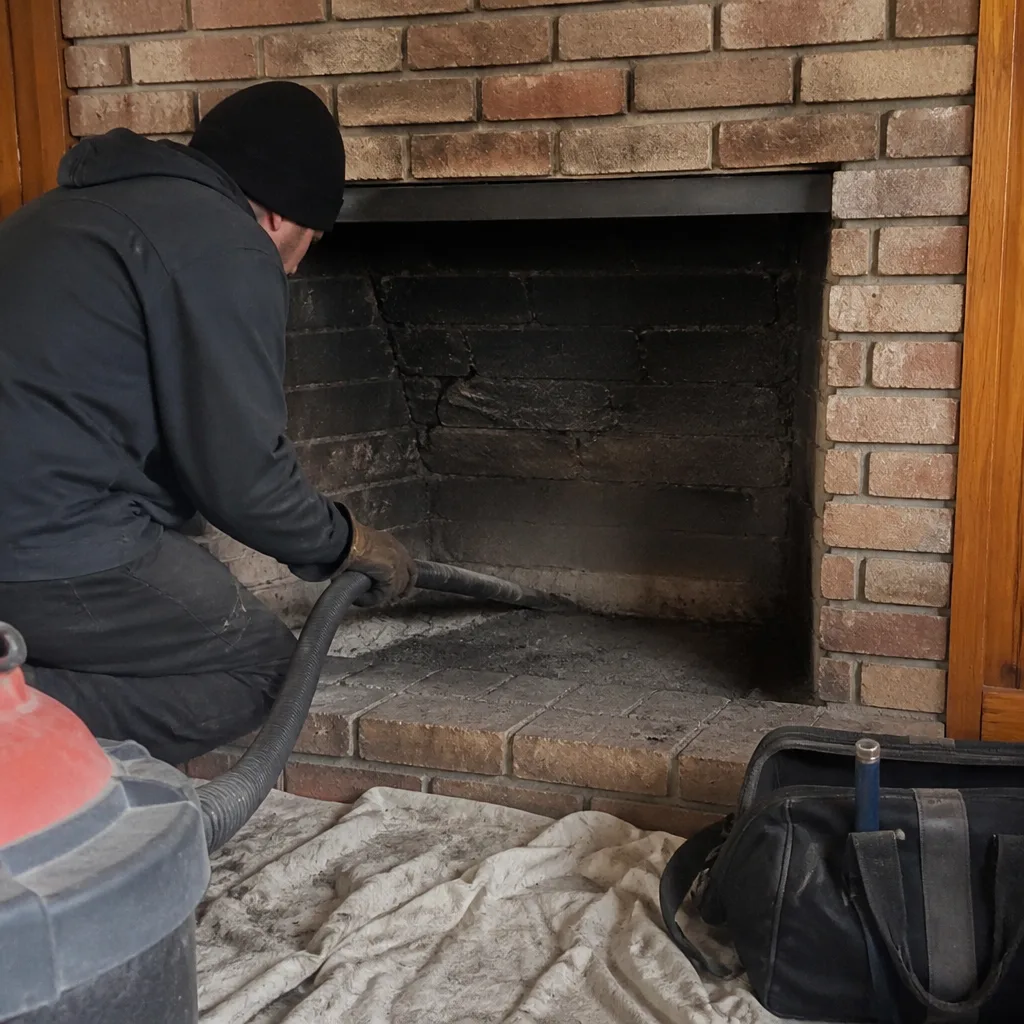 Before
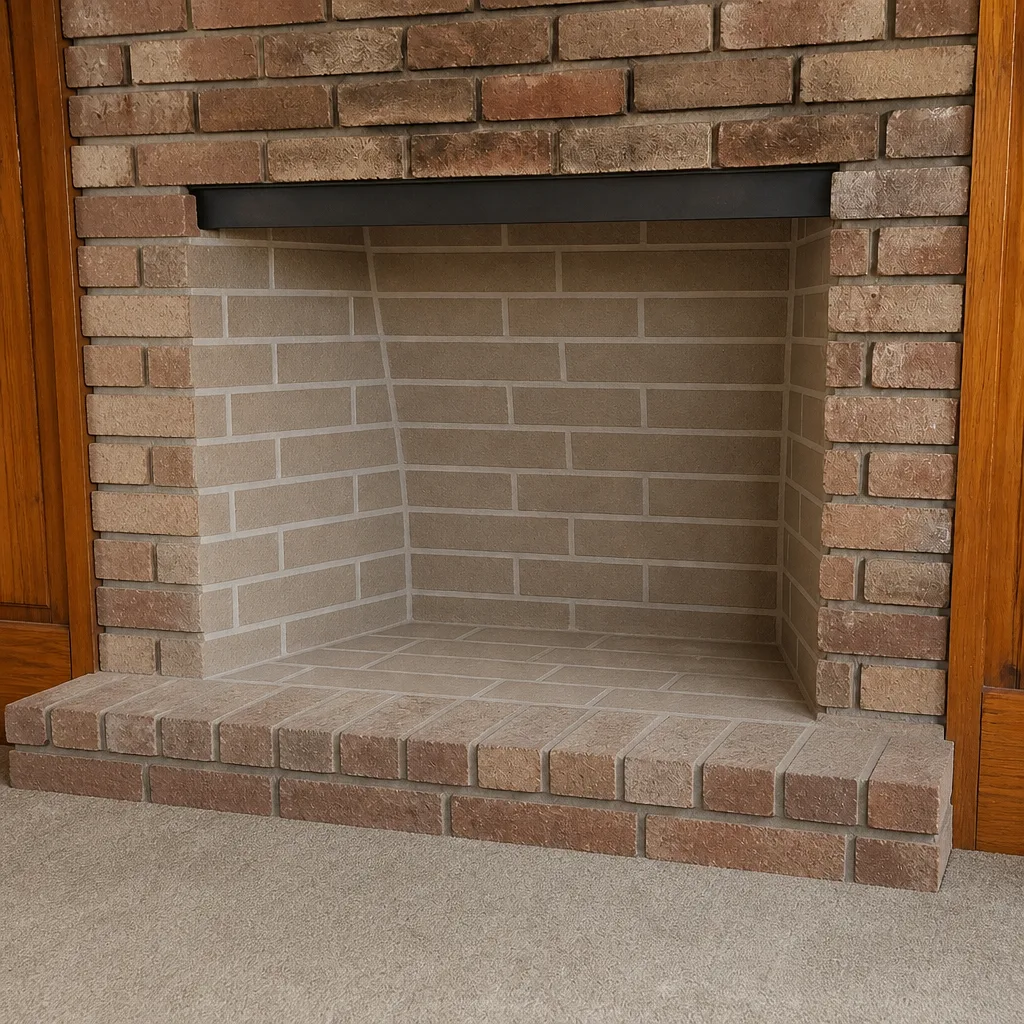 After
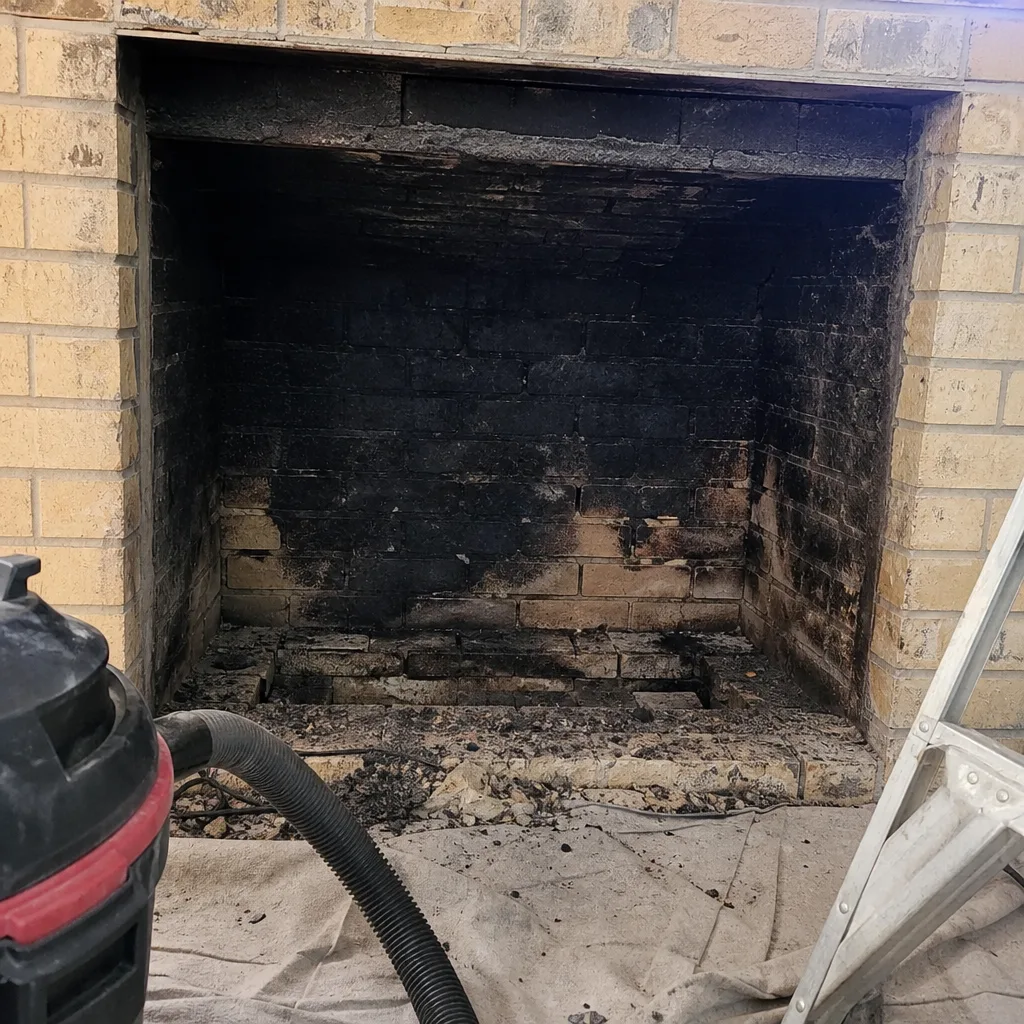 Before
 After
 Before
 After
When to Call a Professional
Call a professional if you hear rumble or thumping from the flue, if smoke rolls into the room with an established fire, if your carbon monoxide alarm ever sounds, or if you can see creosote glaze or a cracked liner. Call sooner if you notice the sharp asphalt smell, a musty odor that won’t clear, or new staining and crown cracks on the exterior. And call if it’s simply been a while since the chimney was cleaned, because the early signs are easiest to read when a trained eye is doing the reading. Chimney Sweep Roy offers free estimates in Roy. Call (877) 492-4205. We answer 24/7. Fast dispatch from 7am to 7pm, Sunday through Friday.
Frequently Asked Questions
Rumble or thumping from the flue is the most urgent, and the sharp asphalt-like smell is the most reliable early warning. A low rumble means a chimney fire may be burning in the flue. A tar-like smell means Stage 3 creosote is present. Either one calls for immediate action. Call (877) 492-4205 for an exact quote on an inspection. Estimates are free.
Stage 1 looks like a light, flaky soot that brushes away. Stage 3 looks like a hard, glazed, tar-like shell on the flue walls and gives off a sharp asphalt smell. The glaze forms high up and out of sight, which is why a camera inspection is the only reliable way to know. If you suspect Stage 3, call (877) 492-4205. Estimates are free.
No. A musty smell means moisture is getting into the system, usually from a crown crack, a failed cap, or a faulty damper. It’s a real problem, just a different one from a fire risk. It’s the signal to find the leak. Call (877) 492-4205 and we’ll inspect it. Estimates are free.
Usually no. A crown with visible cracks lets water in with every rain and freeze-thaw cycle, and in a Roy winter that water does damage fast. Fixing it before the cold sets in is the cheaper path. If you can see cracks from the ground, call (877) 492-4205 to have it looked at. Estimates are free.
It points to Stage 3 creosote. That glaze gives off a pungent, tar-like odor, especially when the fireplace isn’t burning or when the draft reverses. It’s the most combustible stage of creosote, so stop burning and get an inspection. Call (877) 492-4205. Estimates are free.
Yes. Musty smells, chalky staining, a crown crack you can see, and a slowly weakening draft mean schedule an inspection before the next fire. Rumbles, smoke in the room, CO alarms, and visible liner cracks mean stop using the fireplace. When unsure, stop. Call (877) 492-4205. We answer 24/7. Fast dispatch from 7am to 7pm, Sunday through Friday.
The Bottom Line
The warning signs that matter most are the early ones: a slowly weakening draft, a smell that comes and goes, a chalky stain on the brick, a crack in the crown. The signs that make the news, like smoke in the room or a rumbling flue, are the ones that show up late. Learn to read the early signals, apply the stop-or-schedule rule, and keep a yearly rhythm going into the Roy winter. That’s the difference between catching a chimney problem while it’s cheap and dealing with it after it’s done real damage. When something looks or smells off, a camera inspection gives you a straight answer. Plain answers, solid work, and one specialist for the whole chimney. That’s how we approach it at Chimney Sweep Roy. Call (877) 492-4205 for a free estimate. We answer 24/7, with fast dispatch from 7am to 7pm, Sunday through Friday.
Written by the team at Chimney Sweep Roy.