
Last updated November 24, 2026
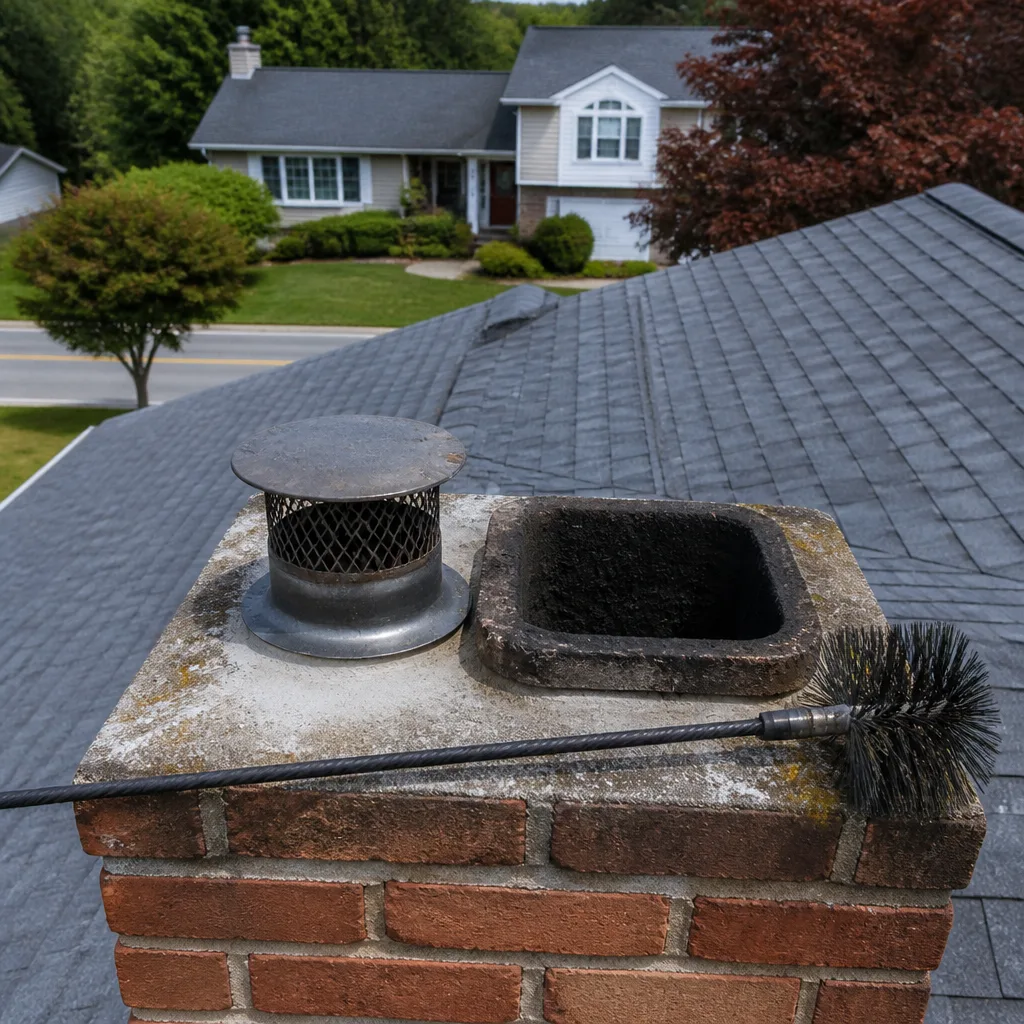 Sweep & inspection
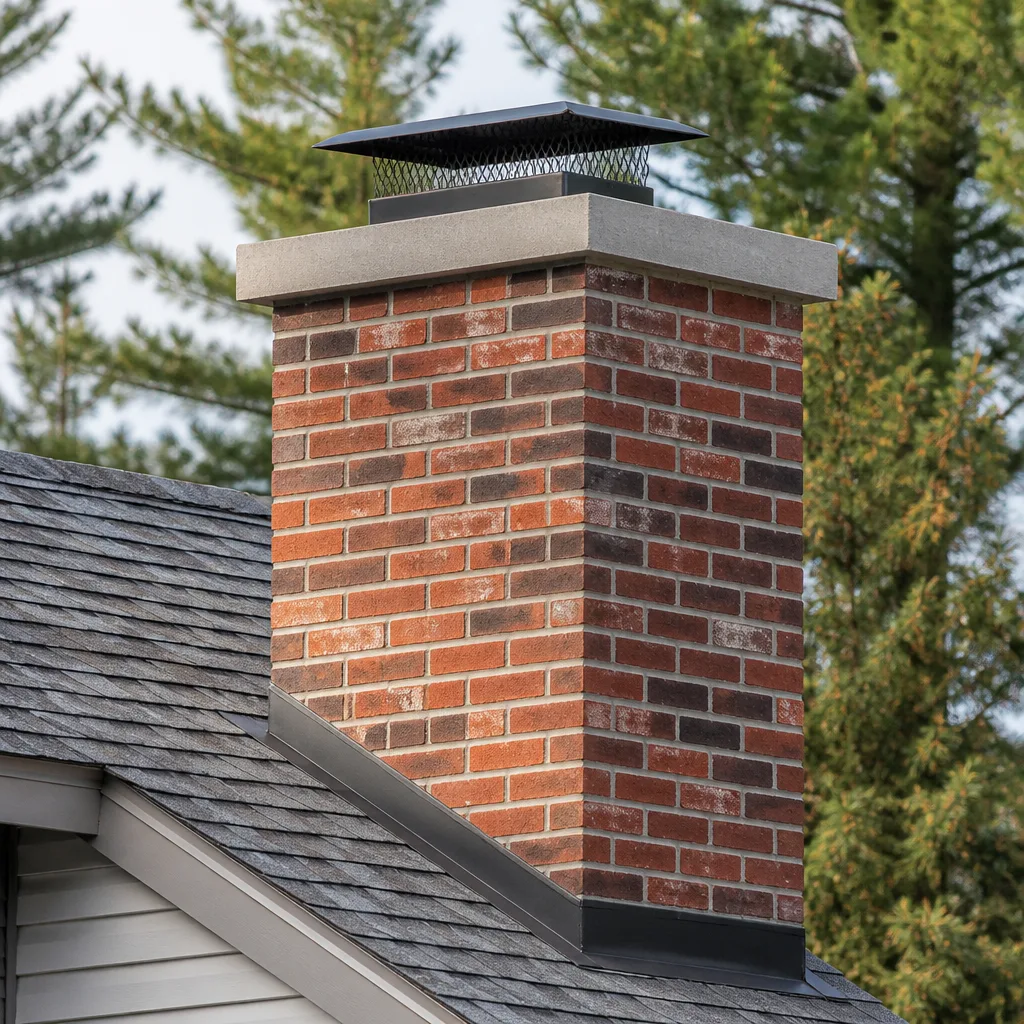 Caps & crowns
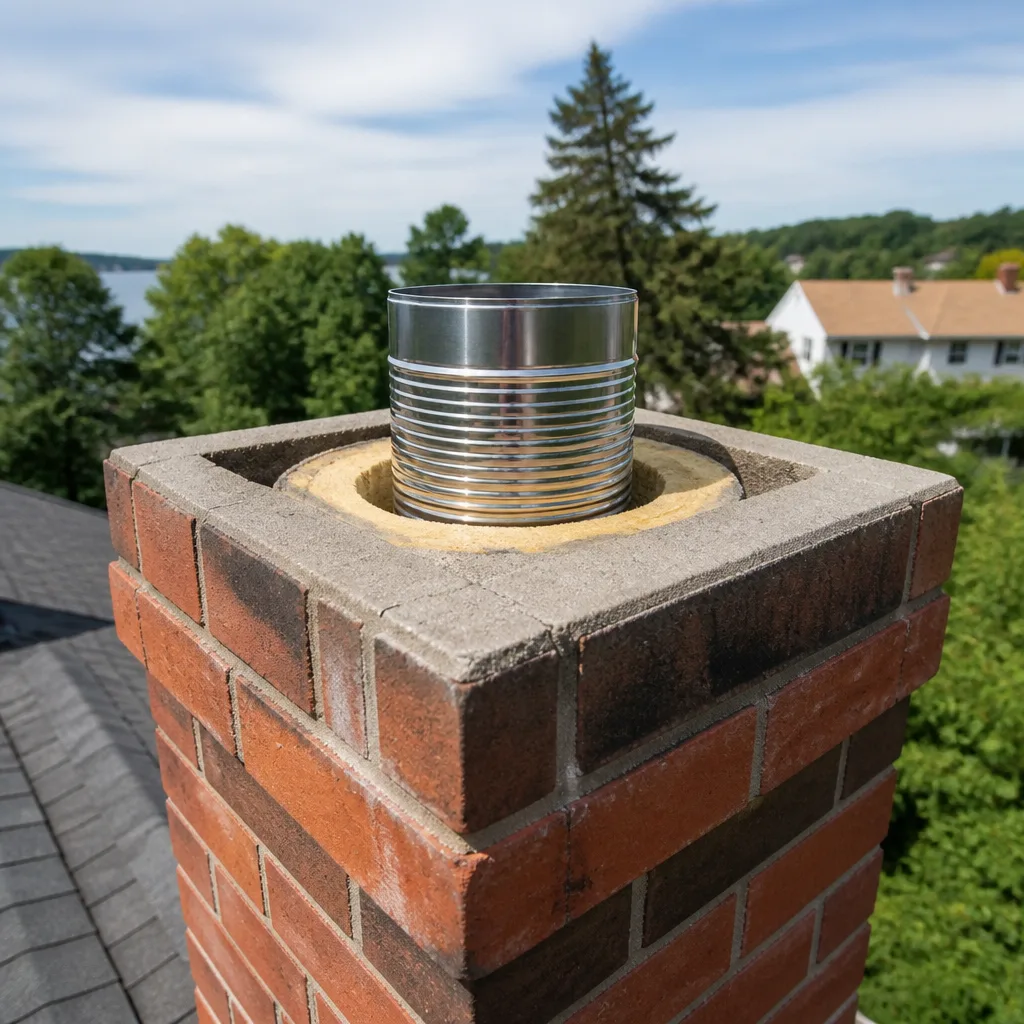 Flue relining
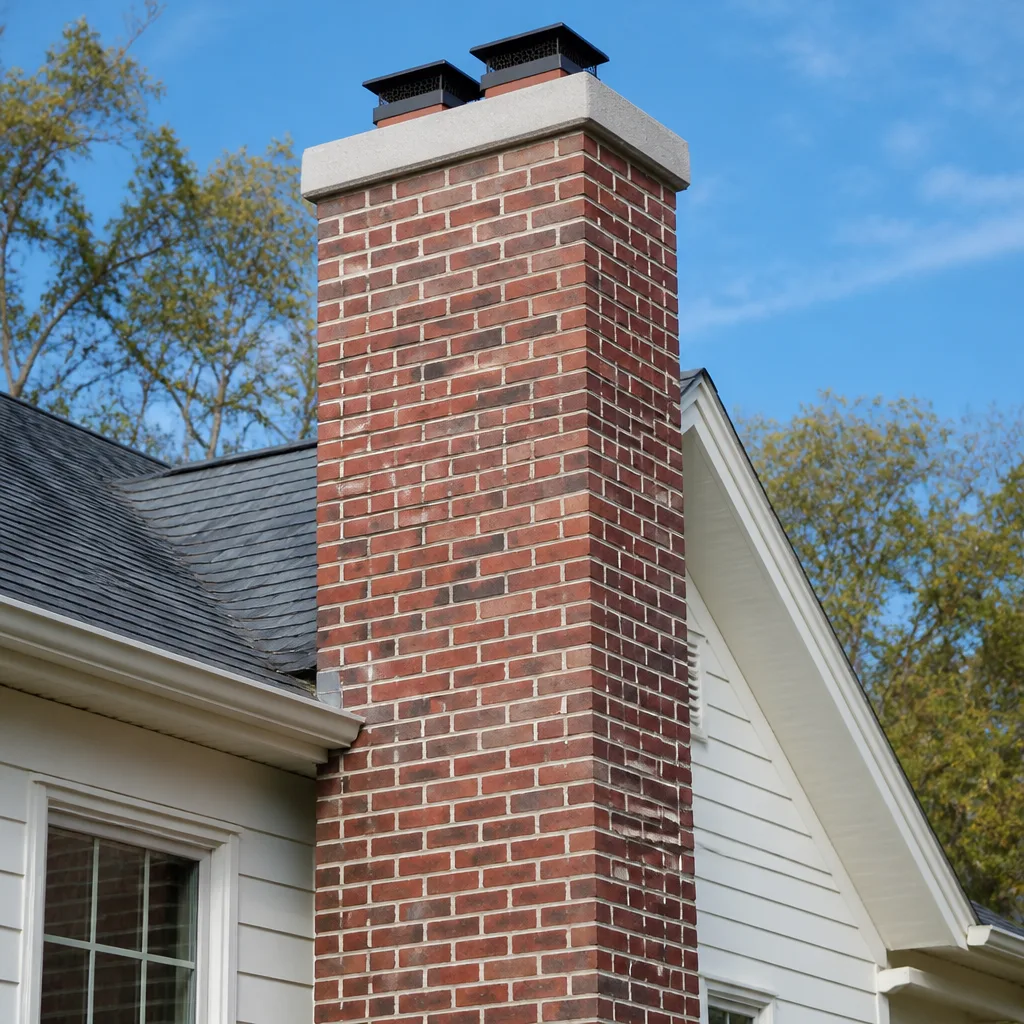 Masonry repair
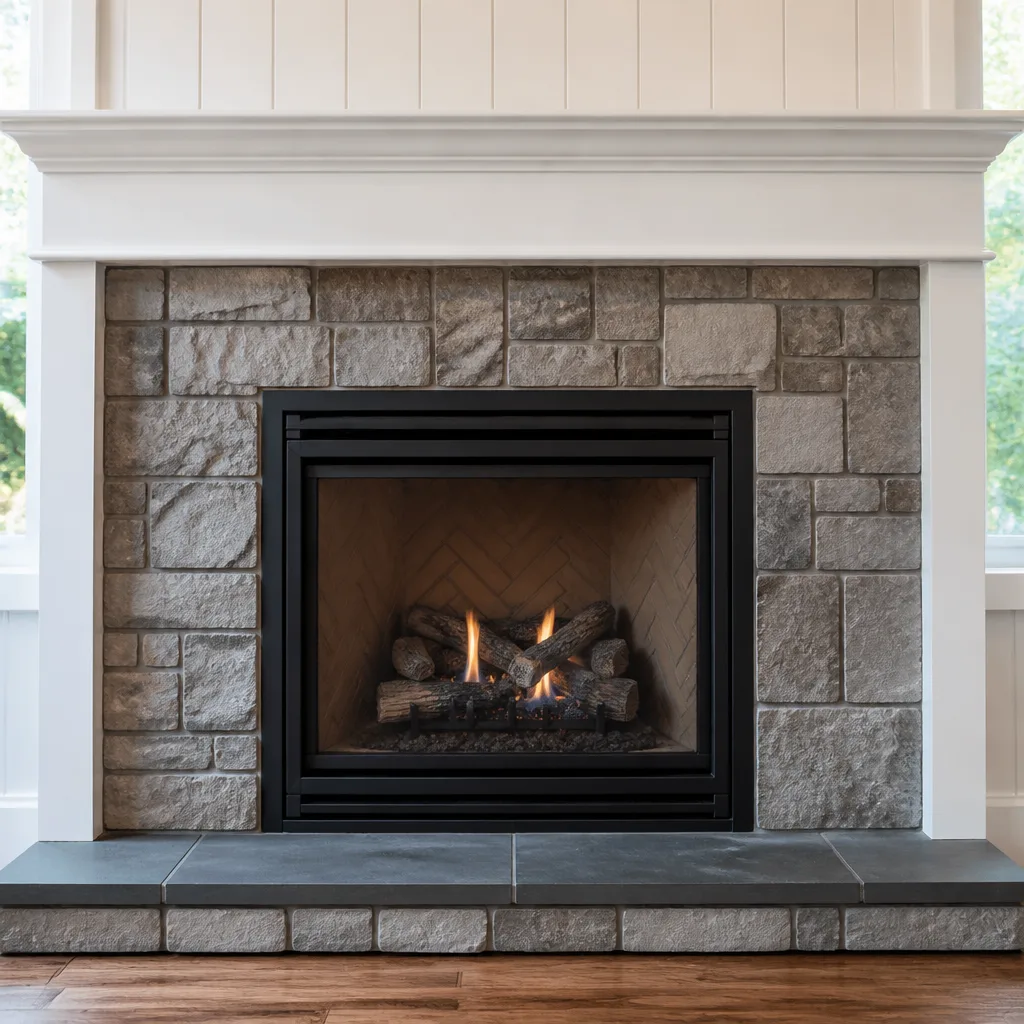 Gas fireplace service
Level 1 sweep and inspection to the NFPA 211 annual standard - flue, crown, cap, and flashing checked and photographed
Chimney sweep logs do not sweep chimneys. They loosen some creosote - which then falls where a brush and vacuum still have to collect it.
Chimney Sweep Maintenance Checklist for Roy Homeowners
The number-one maintenance mistake Roy homeowners make isn’t skipping the annual sweep. It’s doing the sweep and never looking at the crown, the flashing, or the smoke chamber, which is where most chimney damage in this valley actually starts. A clean flue with a cracked crown is a chimney on a slow path to a rebuild. So this guide is built differently from the generic fall-and-spring checklists you’ll find online. It walks through a real month-by-month calendar for Roy’s seasons, flags the five components most sweeps skip, and shows you what you can safely check from the ground before you ever pick up the phone. At Chimney Sweep Roy, we handle chimneys from firebox to crown, and this checklist reflects what we actually see in Northern Utah homes.
Quick Answer
A safe chimney in Roy needs three things every year: a professional sweep and inspection before burning season, a ground-level visual check of the crown, cap, and flashing each spring, and a written maintenance log you keep with your home records. Most chimney failures here are predictable, and the annual inspection is where you catch them while they’re still cheap to fix. If you do nothing else, book the inspection before the first cold snap and ask specifically about the crown, smoke shelf, damper seal, flashing, and liner.
Styles & brands we work with
- Sweep & inspection
- Caps & crowns
- Flue relining
- Masonry repair
- Gas fireplace service
Table of Contents
- The Roy Chimney Maintenance Calendar, Month by Month
- The Five Components Most Sweeps Skip
- What You Can Check From the Ground
- How to Log Your Chimney History (and Why It Matters at Sale)
- Maintenance vs. Repair: When a Task Becomes a Service Call
- Why Northern Utah Chimneys Age the Way They Do
- What a Proper Inspection Actually Includes
- Common Mistakes to Avoid
The Roy Chimney Maintenance Calendar, Month by Month
Generic advice says “sweep in fall, inspect in spring.” That misses how a Roy chimney actually lives through the year. Our seasons here are distinct: a long, dry summer, a sharp cold snap in late fall, a winter of freeze-thaw cycles, and a wet spring snowmelt. Each one stresses a different part of the system. So instead of two checkpoints, we recommend a calendar tied to what’s actually happening outside.
March and April – Snowmelt season. As snow melts off the roof, water finds every gap in the crown and flashing. This is the month to walk the yard and look up. Check for staining on the exterior masonry, rust streaks, or a crown that looks crumbly from below.
May and June – Dry inspection window. Once the roof is clear and dry, it’s the best time of year for a full professional inspection. We can see the crown, flashing, and cap clearly without snow or ice in the way. This is also when we catch winter damage before it has a whole summer to worsen.
July and August – Repair season. If the inspection turned up a crown crack or flashing gap, summer is the right window to fix it. Warm, dry weather lets sealants and masonry cure properly. Waiting until October means racing the first freeze.
September and October – Pre-burning-season sweep. Before the fireplace gets regular use, the flue should be swept and the system checked. Creosote builds up over a season of burning, and a clean flue at the start of the season is the baseline for safe operation.
November through February – Burn season. During active burning, the maintenance is mostly attentiveness: watching for smoke rolling back into the room, listening for changes in draft, and keeping an eye on how the fire behaves. If something changes, that’s a signal to call, not to wait until spring.
This calendar isn’t arbitrary. It’s built around the fact that water damage and creosote buildup are the two dominant failure modes in Roy, and each has a season when it’s easiest to catch.
The Five Components Most Sweeps Skip
Here’s the uncomfortable truth: a basic sweep cleans the flue and stops. That’s a useful service, but it’s not a maintenance program. The parts of a chimney that fail most often are rarely the parts a sweep-only visit touches. When you book an inspection in Roy, ask explicitly about these five. If the answer is vague, that’s your signal to find a specialist who owns the whole system.
- The crown. The concrete cap at the very top of the chimney. It sheds water away from the masonry. A hairline crack in the crown lets water in, and freeze-thaw cycles here widen that crack every winter. Crown repair is one of the most cost-effective things you can do, because it prevents the expensive masonry work downstream.
- The smoke shelf. A ledge just behind the damper that redirects downdrafts back up the flue. It collects soot and debris and is easy to overlook during a quick sweep. A dirty smoke shelf contributes to smoky fires and poor draft.
- The damper seal. The damper is the metal door that closes off the flue when the fireplace isn’t in use. What matters isn’t just that it opens and closes, but that it seals. A worn damper lets heated room air escape up the chimney all winter and lets cold air down when you’re not burning.
- The flashing. The metal and sealant where the chimney meets the roof. This is the number-one source of roof leaks around a chimney. Flashing failure is quiet: you often see the water stain on a ceiling before you ever see the gap on the roof.
- The liner condition. The liner is the flue’s inner wall. Cracks, gaps, and deterioration in the liner are a genuine safety concern, because they let heat and combustion gases reach the structure around the chimney. This is where a real inspection earns its keep, and where specialized options like chimney repair with HeatShield resurfacing can save a flue without a full tear-out.
Notice that four of these five have nothing to do with how much creosote is in the flue. That’s the point. A sweep answers “is the flue clean?” A maintenance inspection answers “is the whole system sound?” Those are different questions, and only the second one protects your home.
What You Can Check From the Ground
You don’t need to get on the roof to catch most problems early. A few minutes with a pair of binoculars from the yard each spring will tell you whether it’s time to call. What you’re looking for is change: anything that looks different from last year deserves a closer professional look.
Here’s a ground-level walkthrough you can do safely:
- Look at the crown from below. Does it look intact, or is there a visible crack or crumbling edge? A crown that’s shedding pieces is failing.
- Check the cap. Is the spark arrestor screen or cap sitting straight and attached, or is it tilted, missing, or pushed aside? A loose cap is an open door for birds, squirrels, and rain.
- Scan the masonry for staining. White chalky bloom, dark streaks, or rust-colored marks on the exterior are signs of water moving through the brick.
- Look at the flashing line where the chimney meets the roof. Gaps, lifted metal, or missing sealant are visible from a distance with binoculars.
- Check inside the firebox. Look up at the damper and the firebox walls. Cracks in the firebox brick or a damper that doesn’t sit flush are worth a call.
- Watch the fire when it’s burning. Smoke that rolls into the room instead of going up, or a fire that’s hard to start, can point to a draft or blockage problem.
These checks are about observation, not repair. Please don’t climb onto the roof or reach up into the flue to investigate further. High roof work and flue interiors are genuinely dangerous, and a fall or a hidden structural problem isn’t worth the risk. A trained professional has the right tools, the camera equipment, and the safety gear to look properly.
How to Log Your Chimney History (and Why It Matters at Sale)
Most homeowners never write anything down about their chimney, and that quietly costs them later. When you sell a home in Utah, a buyer’s inspector will look at the chimney, and a clean maintenance record answers questions before they become negotiating points. When you file an insurance claim for water damage, a maintenance log showing regular inspection and prompt repair is the difference between “this was maintained” and “this was neglected.” So keeping records isn’t busywork. It’s protection.
A simple log is enough. Here’s what to record:
- The date and type of every service. Sweep, inspection, repair, cap or crown work. Note who did it.
- What was found, in plain language. “Crown had a hairline crack, sealed” is more useful than a receipt alone.
- Any parts or materials used. If a liner component or cap was replaced, note the product line. We work with professional-grade brands like DuraFlex and Olympia Chimney, and knowing exactly what’s installed helps the next inspector.
- Photos where you have them. A before-and-after of a crown repair is worth keeping with the file.
- Date of the last professional inspection. This is the single line a buyer’s inspector will ask about first.
Keep the log the same way you keep HVAC service records and appliance manuals. It’s part of your home’s maintenance file. A specialist who does a full inspection will typically give you a written summary you can drop straight into that folder, which is one reason we recommend inspection over a sweep alone: you get a document, not just a clean flue.
Maintenance vs. Repair: When a Task Becomes a Service Call
A checklist is only useful if you know when to stop checking and start calling. The distinction is simple: maintenance is a task you do on a schedule to keep things healthy. Repair is work that only happens because something is already wrong. The trap is treating a repair item like a maintenance item and delaying it.
Here’s how to tell them apart:
- Maintenance items happen on a calendar regardless of condition: the annual sweep, the inspection, the spring ground-level check. You do them because it’s time, not because there’s a problem.
- Repair items happen because something has changed: a crack appeared, smoke started rolling back, a cap came loose, a stain showed up on the ceiling. These aren’t “next year” tasks.
- Emergency signals need a call right away: a strong smell of smoke in the house when nothing’s burning, visible damage to the firebox after a chimney fire, or a chimney that’s leaning or lost masonry.
The gray area is where homeowners get stuck. A hairline crown crack looks minor, so it goes on the “maintenance” mental list and gets deferred. But it’s a repair item, and it’s the exact kind that gets worse every freeze-thaw cycle. Our rule of thumb: if a task requires a tool, a ladder, or a look inside the chimney, it’s a service call, not a checklist item. And crucially, nothing should be recommended without evidence you can see. Camera inspection and a photo report mean you’re looking at the same thing we are, which is how you know whether a repair is real or being upsold.
If a task can safely wait, we’ll say so. That’s part of what separates a maintenance visit from a sales visit.
Why Northern Utah Chimneys Age the Way They Do
The reason a Roy chimney checklist looks different from a national one comes down to climate and construction. Northern Utah gives us a long, cold winter with repeated freeze-thaw cycles, dry summers that crack masonry, and spring snowmelt that finds every opening. A home on the east bench with more wind exposure ages its crown faster than one tucked in a sheltered spot. Homes with older brick chimneys and clay tile liners have different failure points than newer homes.
Here’s what that means for your checklist:
- Freeze-thaw is the great amplifier. Any crack that lets water in will widen every winter. A crack that’s negligible in July is significant by March. That’s why we push crown and flashing repair earlier rather than later.
- Wind-driven snow and rain test the cap and flashing. A well-seated cap keeps weather and wildlife out. A loose one does neither.
- Dry summer heat is hard on older masonry and seals. Masonry that’s baked all summer can crack when the first freeze hits. The dry inspection window in late spring and early summer is when that damage is easiest to see and fix.
- Wood-burning patterns matter. Homes that burn heavily through the cold months build creosote faster and need the pre-season sweep more urgently. Gas fireplace users have different concerns: the firebox, the venting, and the damper seal rather than heavy creosote.
None of this is about selling you more work. It’s about knowing which parts of your specific chimney are under the most stress and checking those first. A generalist outfit that handles chimneys as a side service won’t know this local rhythm. A chimney specialist who works in these conditions season after season does, and that difference shows up in what gets caught early and what gets missed.
What a Proper Inspection Actually Includes
If you take one thing from this guide, make it this: know what you’re paying for when you book. A sweep and an inspection are different services, and a checklist-based maintenance visit should include the inspection. Here’s what a proper one involves, so you can ask the right questions.
- A visual check of the firebox and damper. Looking for cracks, gaps, and a damper that seals.
- A look up the flue. Camera inspection lets the technician see the liner condition, the smoke shelf, and any creosote or blockage that isn’t visible from below.
- The smoke chamber and smoke shelf. Checking that these are clean and functioning, not just the flue above them.
- The exterior. Crown, cap, flashing, and masonry condition, viewed from the roof or with proper access equipment.
- A photo report. The findings should come with pictures you can see, so the recommendation is based on evidence, not a verbal description.
- A written summary. Something you can keep in your maintenance log and hand to a buyer or an insurer if asked.
This is the full-system approach we take at Chimney Sweep Roy. Because we focus only on chimneys, from firebox to crown, we’re set up to diagnose and repair the whole system in one relationship rather than handing off between a sweep, a roofer, and a mason. When a liner is deteriorating, options like HeatShield restoration let us rehabilitate the flue in many cases without full demolition, and for a flue that needs more, we install professional-grade liner systems such as DuraFlex. Cap and crown work protects the chimney from the water intrusion and wildlife that cause most of the damage a checklist is trying to prevent. Our technicians have up to 9 years of experience, and we use the same contractor-tier brands the professional chimney trade relies on.
Common Mistakes to Avoid
- Treating the annual sweep as the whole program. A clean flue is the starting point, not the finish line. The parts that fail most often, the crown and flashing, never get touched during a sweep-only visit.
- Deferring a crown crack because it looks small. In Roy’s freeze-thaw climate, a hairline crack is a repair item that widens every winter. Waiting a season can turn a small seal into a masonry job.
- Never checking the flashing until there’s a ceiling stain. Flashing leaks are quiet. By the time you see water inside, the damage has usually been working for a while.
- Skipping the pre-season sweep because last year’s fire “seemed fine.” Creosote accumulates whether or not you notice a difference in how the fire burns. The pre-burning-season sweep is the baseline for safe operation.
- Keeping no maintenance records. A buyer’s inspector will ask about the chimney, and an insurer may too. A simple log with dates, findings, and photos answers those questions and protects you later.
- Accepting a repair recommendation you can’t see. If someone tells you the liner is failing, ask to see the camera footage and the photo report. Nothing should be recommended without evidence you can look at yourself.
- Climbing the roof to “check it yourself.” Ground-level observation is safe and useful. Rooftop and flue work are genuinely dangerous, and a trained professional should do the close inspection.
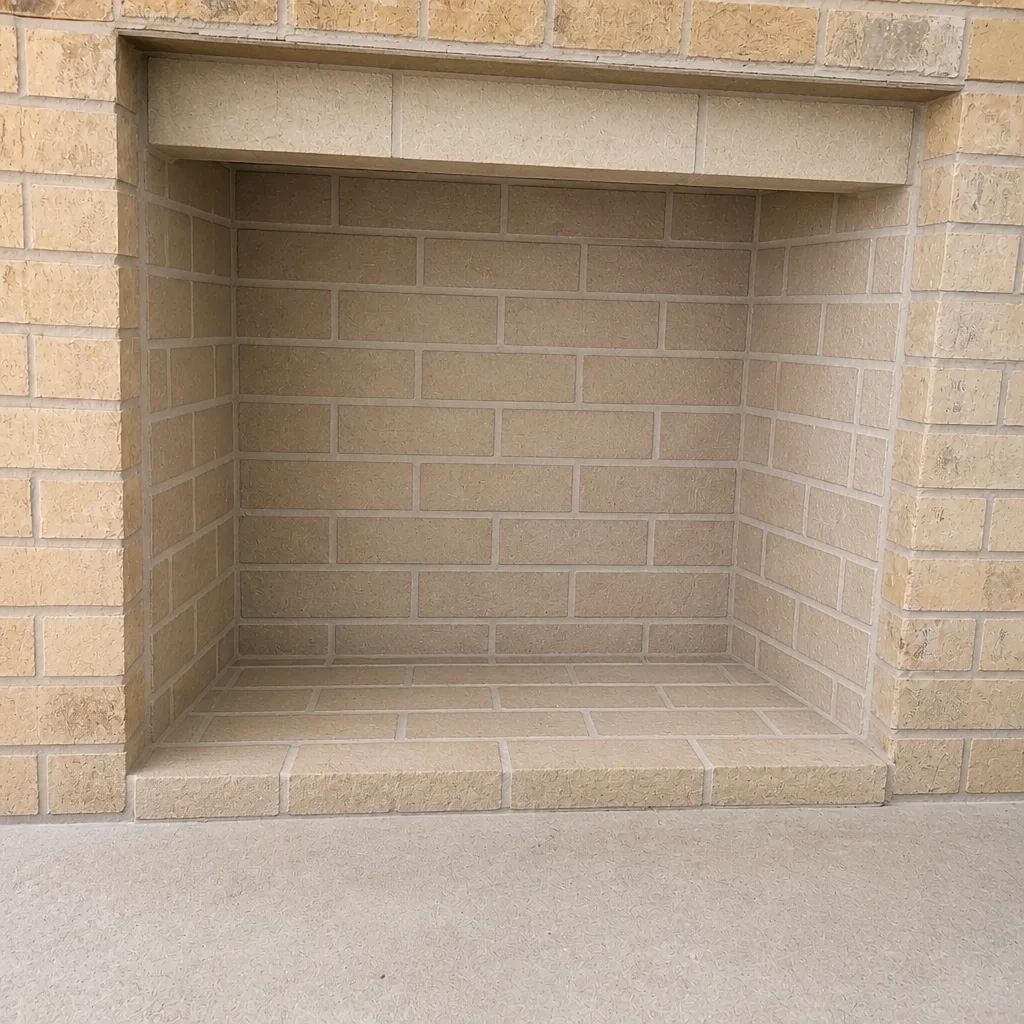
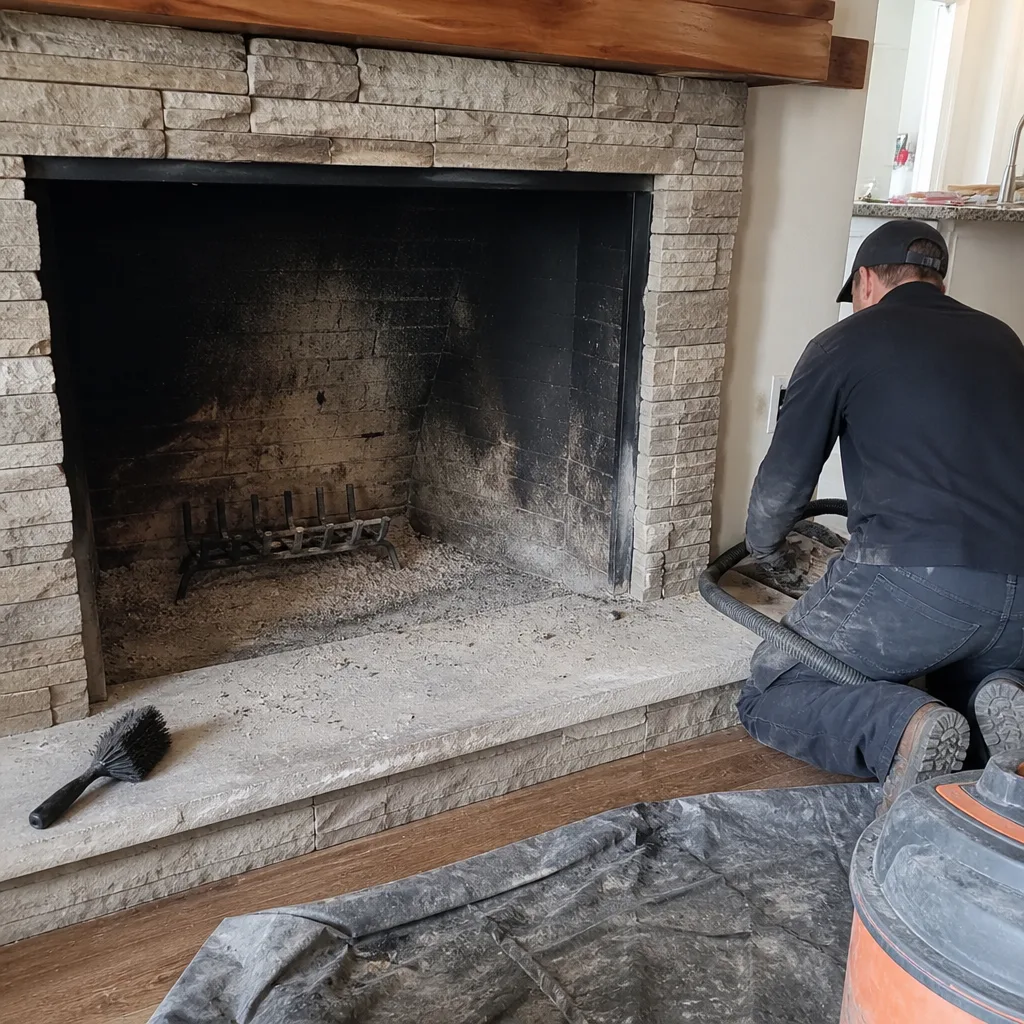
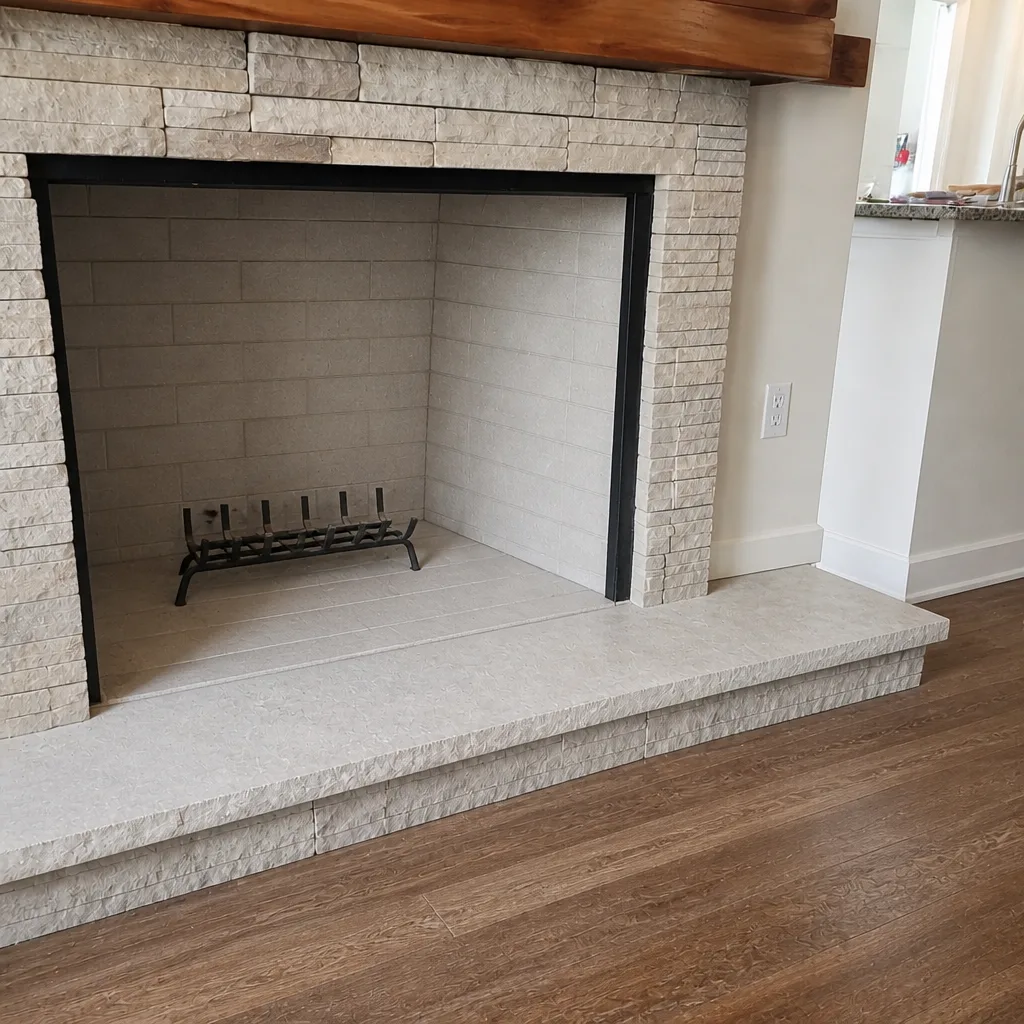
See the difference
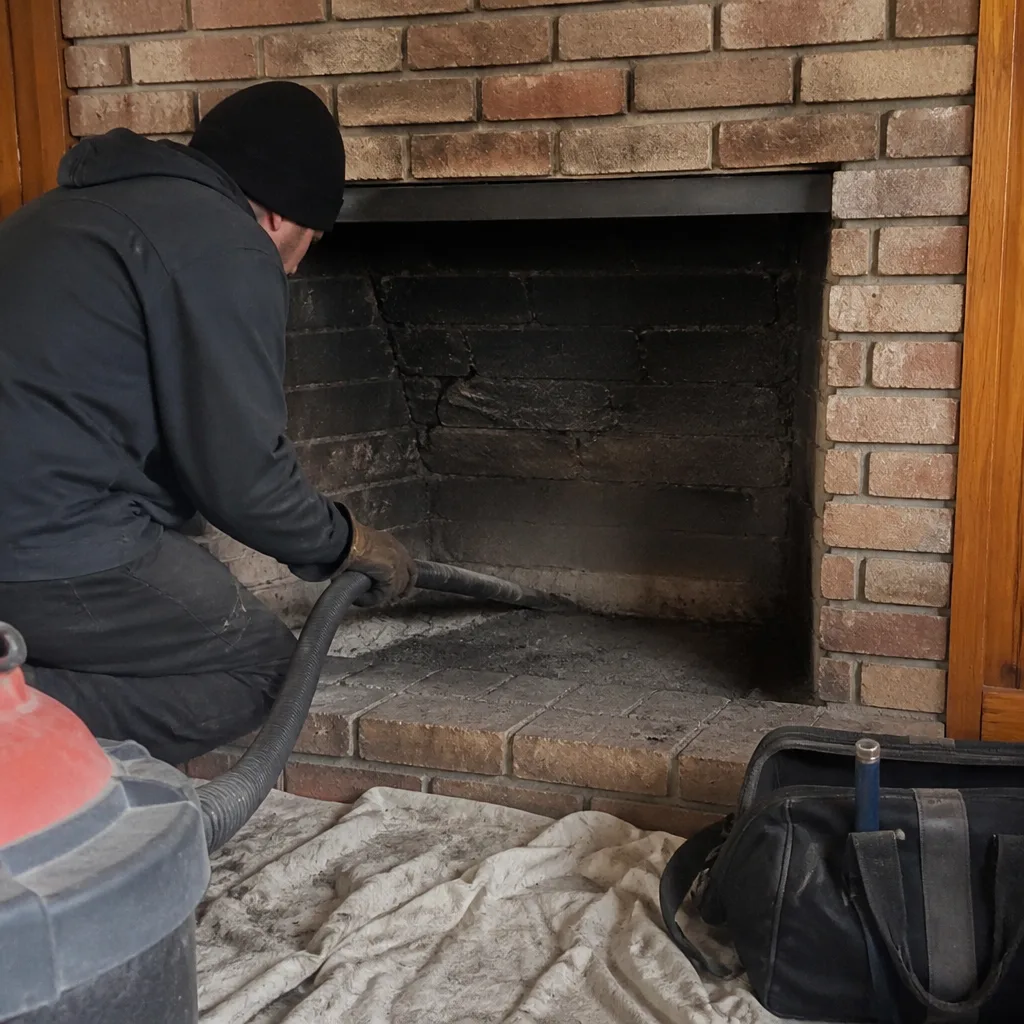 Before
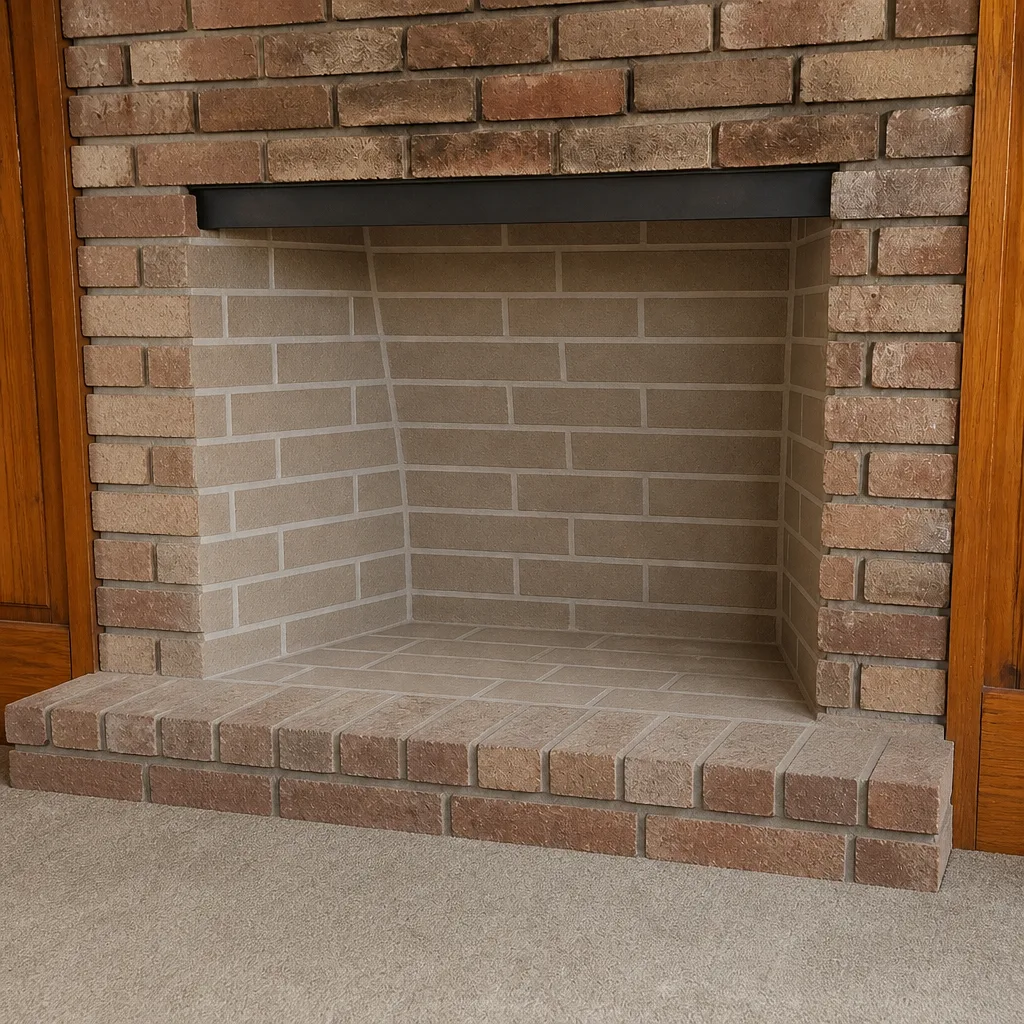 After
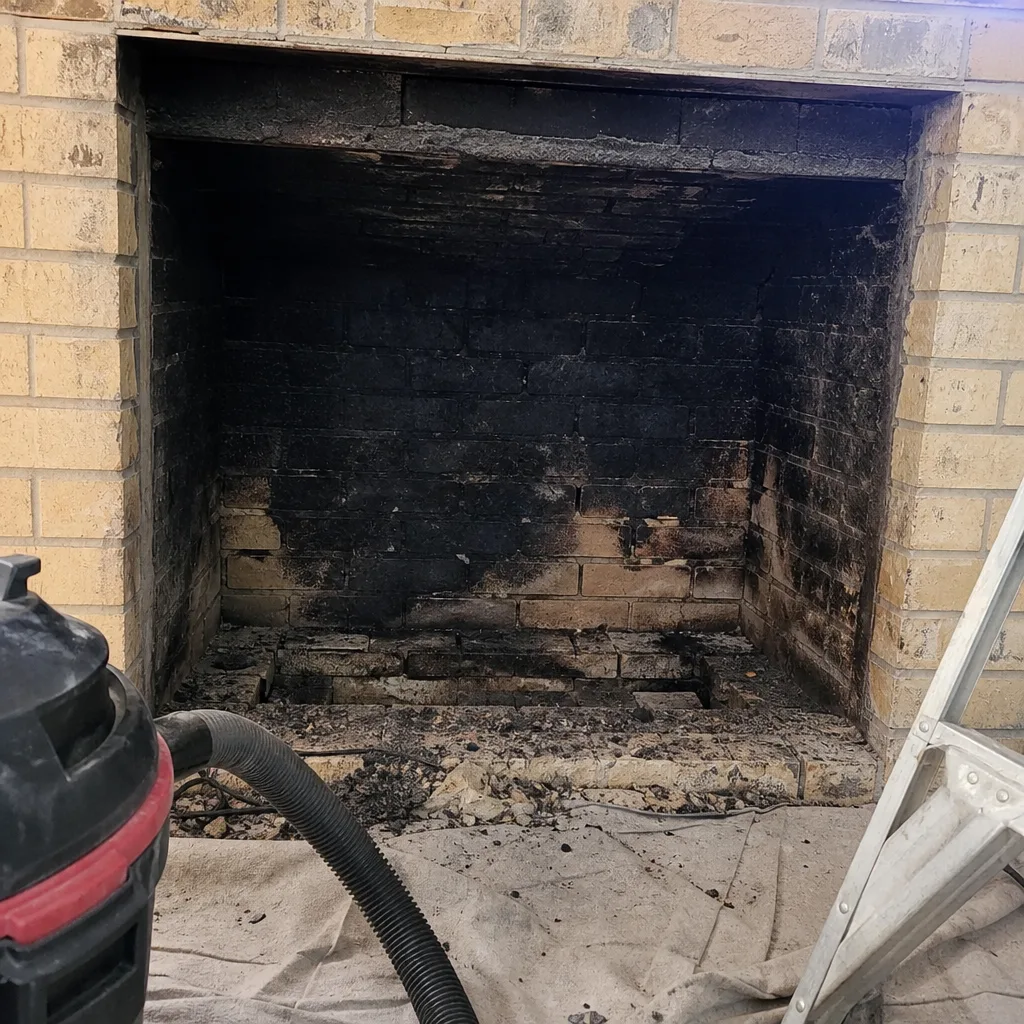 Before
 After
 Before
 After
When to Call a Professional
Some checklist tasks are yours: the spring ground-level look, the record-keeping, watching how the fire behaves. Some belong to a professional, every time. Call when you see a crack in the crown, gaps or lifted flashing at the roof line, a loose or missing cap, staining or crumbling on the exterior masonry, smoke rolling into the room, a firebox with visible cracks, a strong smoke smell in the house when nothing is burning, or any masonry that looks like it’s shifting. Call before your first burn of the season for the sweep and inspection, and call if you can’t remember the last time the system was checked. None of these require a story or a fire to justify the call; a question about what you’re seeing is reason enough.
Chimney Sweep Roy offers free estimates in Roy. Call (877) 492-4205 or explore our chimney sweep and fireplace repair services to start. We answer 24/7.
Frequently Asked Questions
Most Roy homes that burn wood regularly should have the chimney swept and inspected once a year, ideally before burning season begins. Homes that burn heavily through the cold months, or that burn wood that’s not well seasoned, may need more frequent attention. The annual inspection is what tells you whether your own burning pattern calls for a closer schedule. Call (877) 492-4205 for a free estimate and we’ll help you plan the right timing.
A sweep cleans the flue, while an inspection checks the whole system for problems. They’re often combined into one maintenance visit, but only the inspection checks the crown, smoke shelf, damper seal, flashing, and liner condition. If you’re only booking a sweep, ask whether the inspection is included. Call (877) 492-4205 to schedule both together.
Yes, because a crown crack lets water into the masonry, and Northern Utah’s freeze-thaw cycles widen it every winter. What looks like a minor surface crack in summer can trigger larger masonry repair down the road. Crown repair is one of the most cost-effective maintenance steps you can take, precisely because it prevents the expensive work. Call (877) 492-4205 for an assessment and a free estimate.
Not always, but a deteriorating liner is a genuine safety concern because it’s the barrier between heat and combustion gases and the structure around the chimney. That’s why we won’t recommend liner work without camera evidence you can see for yourself. In some cases HeatShield resurfacing can rehabilitate a flue without full tear-out. Call (877) 492-4205 and ask for the photo report before any decision.
Yes. A gas fireplace doesn’t build the same creosote as wood, but the firebox, venting, and damper still need periodic checks, and the exterior crown, cap, and flashing age exactly the same way. Gas units can also develop issues that a visual check catches. Call (877) 492-4205 to book an inspection suited to a gas system.
The main risks are creosote buildup, which raises the risk of a chimney fire, and water intrusion from a failing crown or flashing, which quietly damages masonry. We won’t scare you about it, but these are real risks that regular inspection catches early. A chimney that’s been neglected for years should be inspected before it’s used. Call (877) 492-4205 for a free estimate.
The Bottom Line
A chimney maintenance checklist for Roy only works if it’s built around this valley’s actual seasons and the parts that really fail here. Do the pre-burning-season sweep and inspection, do a ground-level visual check each spring, keep a simple written log, and ask specifically about the crown, smoke shelf, damper seal, flashing, and liner. If a task needs a ladder or a tool, it’s a professional’s job. Catch the small stuff before freeze-thaw turns it into masonry work, and you’ll get far more life out of the chimney. Plain answers, solid work, from firebox to crown.
Chimney Sweep Roy handles inspection, sweeping, fireplace and chimney repair, and cap and crown work across Roy. Call (877) 492-4205 for a free estimate. We answer 24/7. Fast dispatch from 7am to 7pm, Sunday through Friday.
Written by the team at Chimney Sweep Roy.