
Last updated November 24, 2026
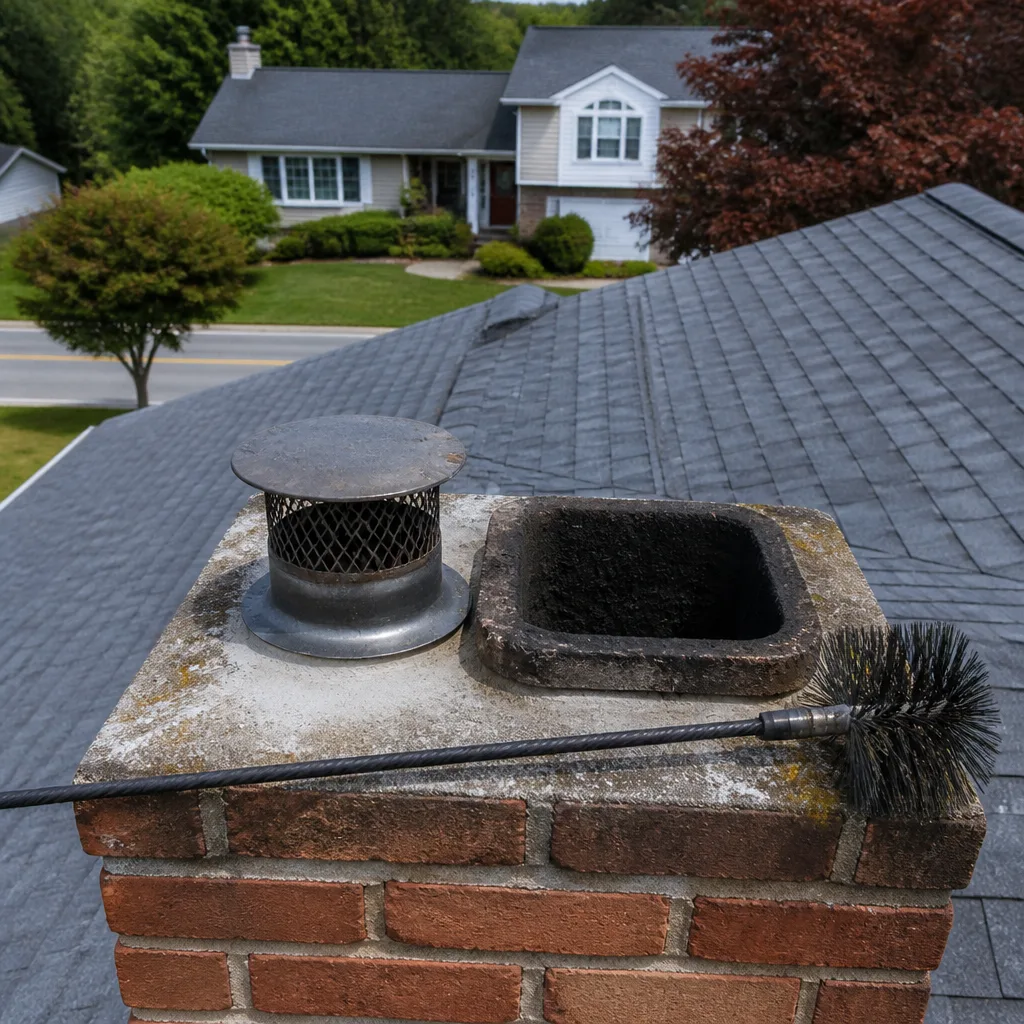 Sweep & inspection
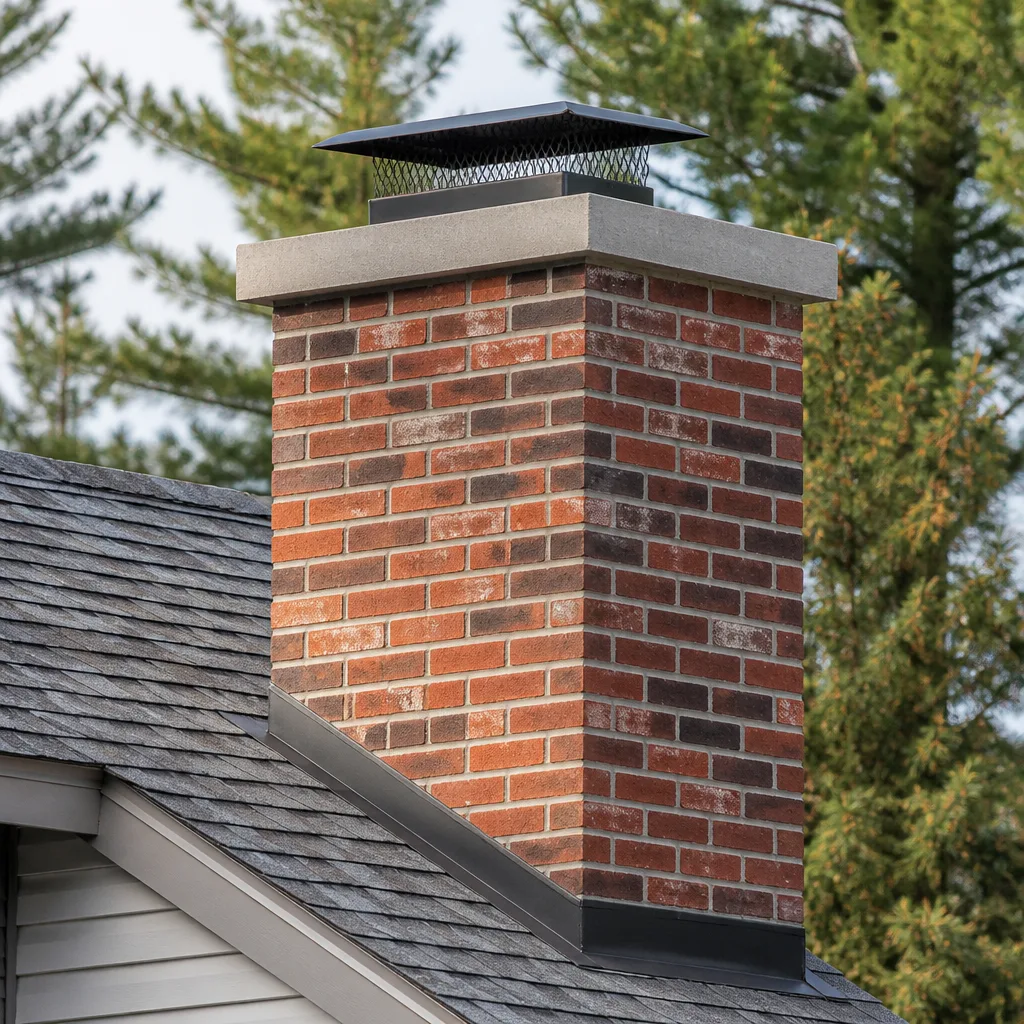 Caps & crowns
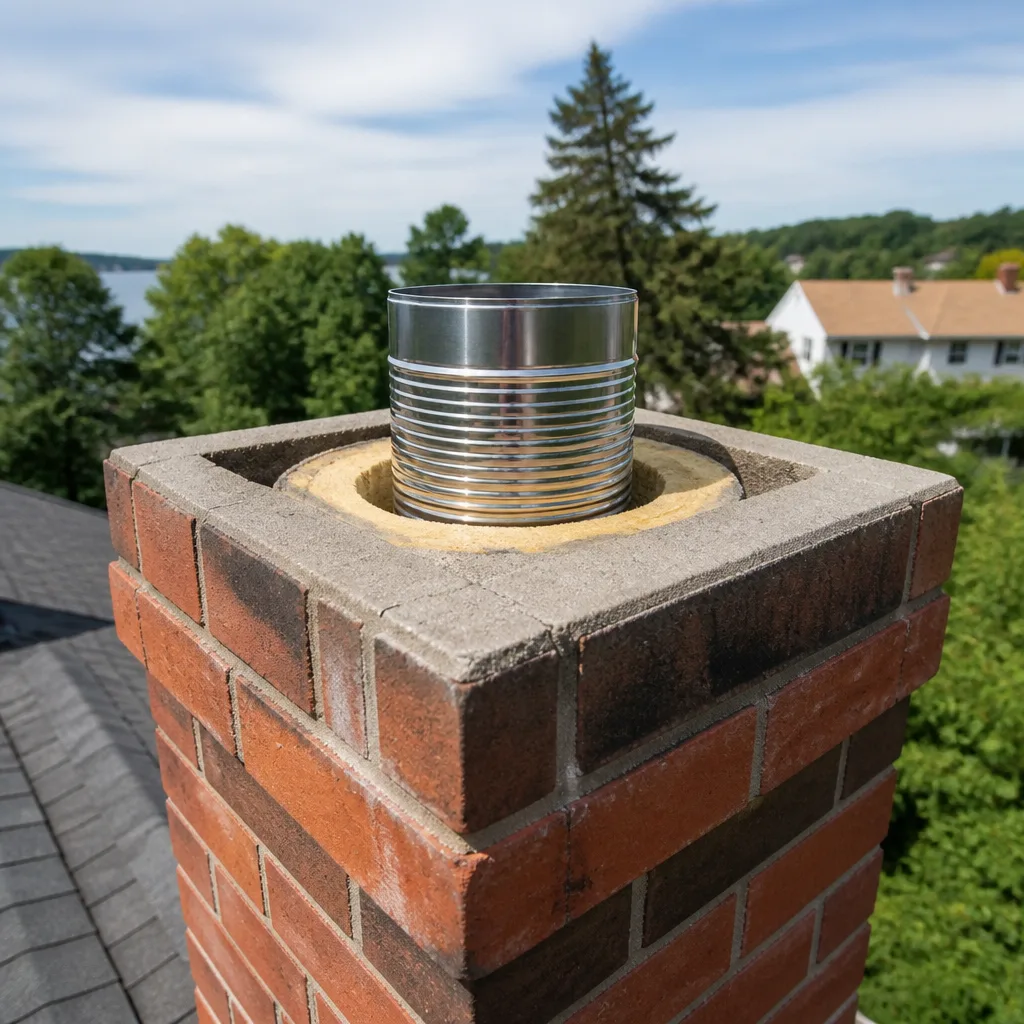 Flue relining
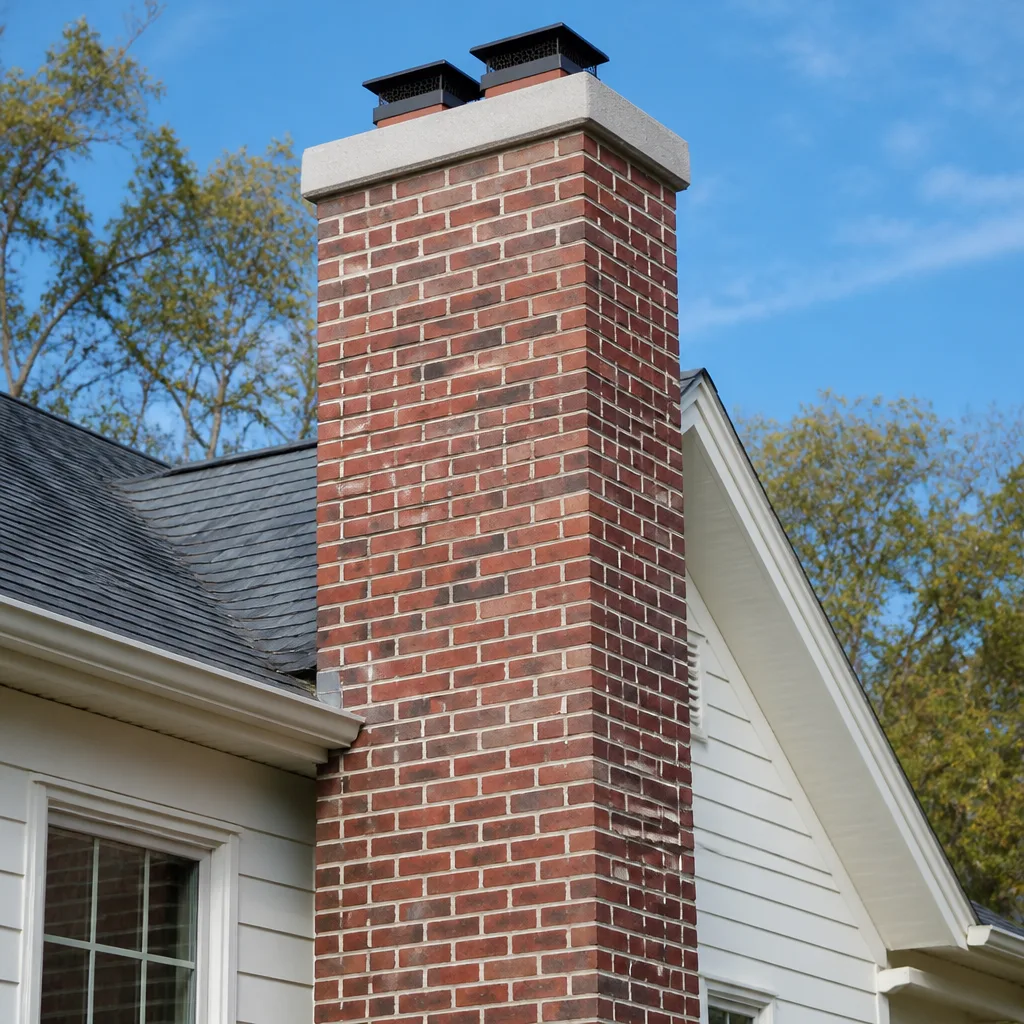 Masonry repair
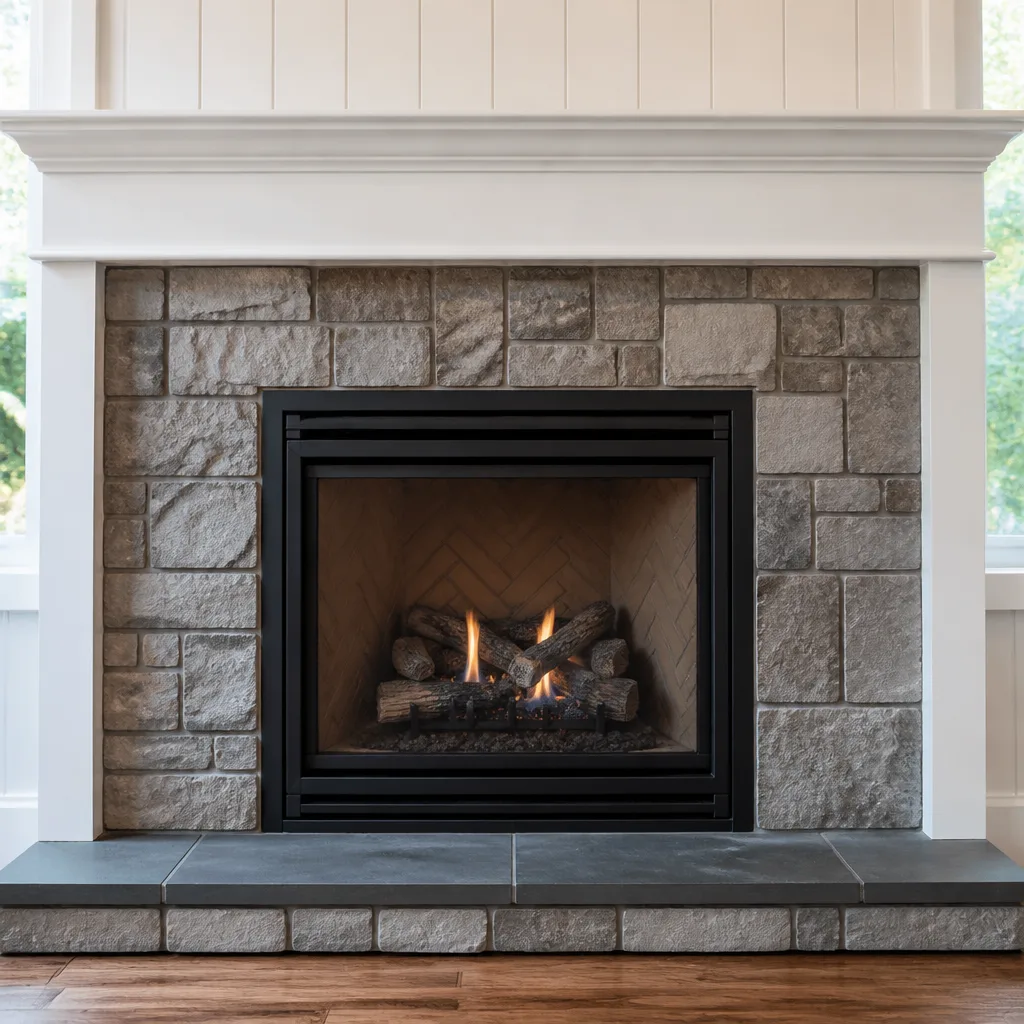 Gas fireplace service
Level 1 sweep and inspection to the NFPA 211 annual standard - flue, crown, cap, and flashing checked and photographed
Chimney sweep logs do not sweep chimneys. They loosen some creosote - which then falls where a brush and vacuum still have to collect it.
DIY vs Professional Chimney Cleaning: The Roy Homeowner’s Decision Guide
You can buy a chimney brush kit at any hardware store in Roy for about $60, clean your flue, and genuinely reduce creosote. You can do everything right and still have a Stage 2 buildup in your smoke chamber that you never reached and can’t see. That’s the part of the DIY debate most guides skip. A brush scrubs what it touches. It can’t tell you why the soot is heavy in one zone, whether the damper is warped, or if the flue tile has a crack you’ll only see from the inside. We wrote this guide to draw an honest line: what you can accomplish with a brush, where that work ends, and what a professional inspection catches before it becomes a costlier problem. Roy comes up where it matters – the places where judgment beats elbow grease.
Quick Answer
A homeowner can manage minor surface soot on a straight flue, keep the firebox clean, and handle basic between-visit maintenance. A professional chimney sweep does more than brush – they reach zones a consumer brush kit physically can’t access, inspect the flue with cameras, evaluate what the creosote levels and draft patterns are telling them, and leave a record that matters with your insurer. For most Roy homeowners burning wood regularly, a professional sweep and inspection each season is the safe baseline, with DIY as the interim maintenance in between.
Styles & brands we work with
- Sweep & inspection
- Caps & crowns
- Flue relining
- Masonry repair
- Gas fireplace service
Table of Contents
- What a homeowner can actually accomplish with a brush kit
- The anatomy of a chimney: which zones you can reach and which you can’t
- Consumer brush vs. contractor-grade rotary systems and cameras
- Reading creosote: what DIY misses and what pros diagnose
- The insurance reality of chimney fires and inspection records
- A decision matrix for Roy homeowners: usage, fuel, and chimney age
- Between-visit maintenance that complements professional service
- When to call a professional
What a homeowner can actually accomplish with a brush kit
A consumer chimney brush, sold in hardware stores across Roy, is a legitimate tool for one job: removing loose soot and light, powdery creosote from the accessible straight section of a flue. A flexible rod brush pushed from the top or bottom does that well. What a brush kit can’t do is as specific as what it can.
Here’s what a homeowner can realistically handle:
- Surface soot removal on a straight flue with light buildup, after a season or two of moderate burning.
- Firebox and ash pit cleaning – shoveling out ash, wiping down the firebox walls, and keeping the grate clear.
- Damper operation checks – opening and closing the damper to confirm it moves freely.
- Visual checks from the firebox looking up, and from the roof looking down, with a flashlight.
- Cap and screen clearing – removing a nest or debris from the cap screen from outside, if reachable safely.
That’s a real list. It’s not nothing. The problem is what sits outside it: the smoke chamber, the smoke shelf, the offset sections of a flue with a bend, and the flue tile seam. Those zones are where creosote concentrates and where glaze forms. Consumer brushes don’t reach them cleanly, and no homeowner can see them without a camera. This is why a professional chimney sweep isn’t the same task as a DIY brush pass – the sweep covers the whole flue, the smoke chamber, and the firebox as one system, not just the straight pipe.
The anatomy of a chimney: which zones you can reach and which you can’t
A chimney isn’t a pipe. It’s a system with distinct zones, and each behaves differently. Knowing the zones tells you exactly where the DIY line falls. Most Roy homes with a wood-burning fireplace have seven key parts.
- Firebox – where the fire burns. Reachable. You can clean it.
- Damper – the metal door above the firebox. Reachable for operation checks; not reachable for internal blade cleaning without disassembly.
- Smoke chamber – the sloped area above the damper that funnels smoke into the flue. A brush doesn’t reach the full interior. Creosote deposits here are common and hard to see.
- Smoke shelf – a horizontal ledge just below the smoke chamber. It traps soot and debris. A brush passes it but doesn’t sweep the top surface.
- Flue – the vertical channel, lined with tile or a liner. A straight section is brush-reachable. Offsets and bends are not.
- Crown – the concrete top surface around the flue exit. Exterior, but inspection and repair need ladder access and masonry knowledge.
- Cap – the cover over the flue. Screens can be cleared from outside; cap fit and crown sealing need evaluation.
Notice the pattern: the zones you can reach are the ones you can see from the firebox floor. The zones that matter most for fire risk – smoke chamber and smoke shelf – are the ones behind, above, and out of view. When we run a sweep in Roy, we cover the smoke chamber with a rotary tool that fits the interior contour, something no consumer kit does. That’s the boundary between DIY-reachable and physically inaccessible without professional equipment.
Consumer brush vs. contractor-grade rotary systems and cameras
The tool gap is bigger than most homeowners realize. A consumer brush kit is a rod, a brush, and maybe a shop vac. Contractor-grade equipment is a different category – rotary systems that spin a brush head against the flue wall, camera systems that let the technician see inside the flue in real time, and vacuum setups that pull the dust out of the house instead of through it.
Here’s a side-by-side of what each setup actually covers:
- Consumer brush kit: straight flue surface, light soot, firebox, floor-level visual checks. Cost at a Roy hardware store: roughly $60 for a basic kit.
- Rotary sweep system: flue surface with mechanical agitation that dislodges glaze and hard deposits, including the smoke chamber when paired with contour tools.
- Inspection camera: full-length flue view, tile seams, liner integrity, hidden cracks, offset sections.
- Containment vacuum: soot control during sweeping, especially for vaulted or cathedral-ceiling flues common in newer Roy builds.
We work with the same product lines the professional chimney trade relies on – DuraFlex liner systems, HeatShield flue resurfacing, and Gelco products – because those materials solve problems a brush kit can’t touch. If a flue is deteriorating, a HeatShield restoration can extend its life without a full tear-out, and that’s a decision you make after a camera inspection shows the damage. A DIY brush pass never gets you to that decision, because the DIY pass never sees the crack.
Reading creosote: what DIY misses and what pros diagnose
Creosote is the central fact of chimney safety, and it’s also where DIY falls short longest. The trade classifies it in three stages:
- Stage 1 – sooty, powdery: light deposits you can brush off. This is DIY-addressable.
- Stage 2 – flaky, crusty: harder deposits that stick to the flue wall. A consumer brush will loosen some of it, but not evenly, and not inside the smoke chamber.
- Stage 3 – glazed, tar-like: shiny, hardened creosote that bonds to the tile. A brush pass won’t remove it. Rotary tools and often chemical treatment are needed.
The diagnostic question isn’t just “which stage,” it’s “why is it here.” A Roy home with a tall exterior chimney runs cooler than one with an interior chimney, so it can build creosote faster even with moderate burning. A home burning unseasoned wood will build Stage 2 deposits in a fraction of the time. Neither pattern is visible from the firebox. And Stage 3 buildup, if left, is the most common fuel source in a serious chimney fire.
What we do when we sweep is as much about reading the flue as it is about cleaning it. A camera pass shows where the deposits are heaviest, whether the tile is cracked, and whether the liner has lost integrity. That reading is what separates a professional chimney sweep in Roy from a brush kit. It’s also why a sweep is not just a cleaning – it’s a diagnostic appointment. If the camera reveals damage, we can recommend a durable fix from a lineup that includes DuraFlex and Gelco, not a temporary patch.
The insurance reality of chimney fires and inspection records
The practical argument for professional service is not just safety, it’s paperwork. When a homeowner files an insurance claim after a chimney fire, adjusters routinely ask for a record of professional inspection and maintenance. A history of annual sweeps in Roy, documented, puts the homeowner on solid ground. A history of DIY-only cleaning with no inspection record makes the claim a harder conversation – not automatically denied, but harder to support, because there’s no independent evidence the flue was evaluated.
This is worth saying plainly:
- A professional inspection record is evidence of diligence. It shows the homeowner was maintaining the system.
- DIY cleaning alone leaves no record of evaluation – no camera report, no technician notes, no documentation of condition.
- Most chimney fire claims hinge on whether routine maintenance was in place. The record is often the difference between a smoother claim and a contested one.
We’re not an insurance company and we’re not claim adjusters, so we don’t promise outcomes. What we can say is that a documented sweep is standard evidence – and that once a fire risk exists, the paperwork question gets asked. For a chimney repair issue uncovered during inspection, having the record and the recommended fix already in hand is better than discovering both after a loss.
A decision matrix for Roy homeowners: usage, fuel, and chimney age
Here’s where we get practical. Not every homeowner needs an annual professional sweep, but most need more than DIY alone. The right answer depends on three variables: how often you burn, what you burn, and how old the chimney system is. Use the matrix below as a general guide for Roy homes.
- Occasional use (a few fires per season) + seasoned wood + newer liner: A professional sweep every 2 to 3 years is often reasonable, with DIY firebox and ash maintenance in between.
- Regular use (weekly through winter) + seasoned wood: Annual professional sweep. DIY between visits.
- Regular use + unseasoned or mixed wood: Annual sweep, and consider a camera inspection every other year to check for Stage 2 or Stage 3 buildup.
- Burning green wood, softwood, or manufactured logs frequently: Annual sweep plus a camera inspection each time. These build deposits faster than most homeowners expect.
- Chimney with an unknown or aging liner: Professional inspection first, then decide on cleaning. Year one should always be an inspection year.
- Home with a cracked tile or known liner issue: Always professional. No DIY cleaning should happen on a compromised flue.
For a lot of Roy homes – especially the older ones near the center of town or the newer subdivisions with tall exterior chimneys – “annual sweep” is the safe default. The matrix is a starting point, not a substitute for looking at the flue. A professional chimney repair evaluation on a home you just bought is the smartest first call, because you’re learning the system’s condition, not just getting it clean.
Between-visit maintenance that complements professional service
DIY maintenance is the right answer in the right place. It complements a professional sweep and extends the time between service calls. It never replaces an inspection. Here’s what actually helps between visits:
- Burn seasoned wood – split and dried for at least six months. This is the single biggest factor in creosote buildup.
- Keep fires hot and efficient – small, hot fires create less smoke than long, smoldering burns.
- Clean the firebox regularly – ash buildup steals draft.
- Check the cap screen from the ground with binoculars each month. A clogged screen reduces draft and lets smoke back into the house.
- Look for water intrusion around the crown after a rain. Moisture in the chimney accelerates deterioration in all climates, and Roy’s wet spring snowmelt puts stress on crown and flashing.
- Test the damper at the start of the burning season. It should open and close fully.
- Keep a flashlight by the fireplace – shine it up the flue after each fire to confirm the damper closed and no smoke is drafting backward.
What not to do is just as important. Don’t burn wrapping paper, cardboard, or pallets in the firebox – they create fast, hot deposits. Don’t use a chain or a weighted brush to scrape a flue; that damages tile and liners. Don’t climb onto the roof in icy or wet conditions to clean a flue from the top. Most roof-access chimney work in Roy waits for safe conditions, and that’s a judgment call, not a shortcut.
Common Mistakes to Avoid
- Cleaning only the visible flue and assuming the job is done. The smoke chamber above the damper is where most hidden buildup collects, and it takes a contoured tool to reach it – a straight brush will never cover it cleanly.
- Assuming a clean flue means a safe flue. Cleaning removes deposits; inspection reveals cracks, shifted tile, and liner wear. A flue can look fine from above and be compromised at the seam hidden behind the wall.
- Burning unseasoned wood to save money in the short term. The creosote it builds costs more to remove than the firewood saved, and it clogs the flue faster in Roy’s cold snaps when you burn longest.
- Skipping an inspection on a home you just purchased. A Roy home’s chimney condition is unknown until a camera has seen it. A good first step is a professional evaluation, not a first DIY cleaning.
- Using the wrong brush on a stainless liner. A stiff brush on a liner can scratch or deform it. If you’re unsure what kind of liner the flue has, leave the cleaning to a technician who knows.
- Sealing off a cap screen to keep out leaves. A blocked screen causes smoke backup and carbon monoxide risk. Keep it clear and replace a damaged cap instead of covering it.
- Treating a light smoke smell as harmless. A draft that reverses on cold mornings can push smoke into the house. It’s worth a professional look to rule out a flue issue before the next season.
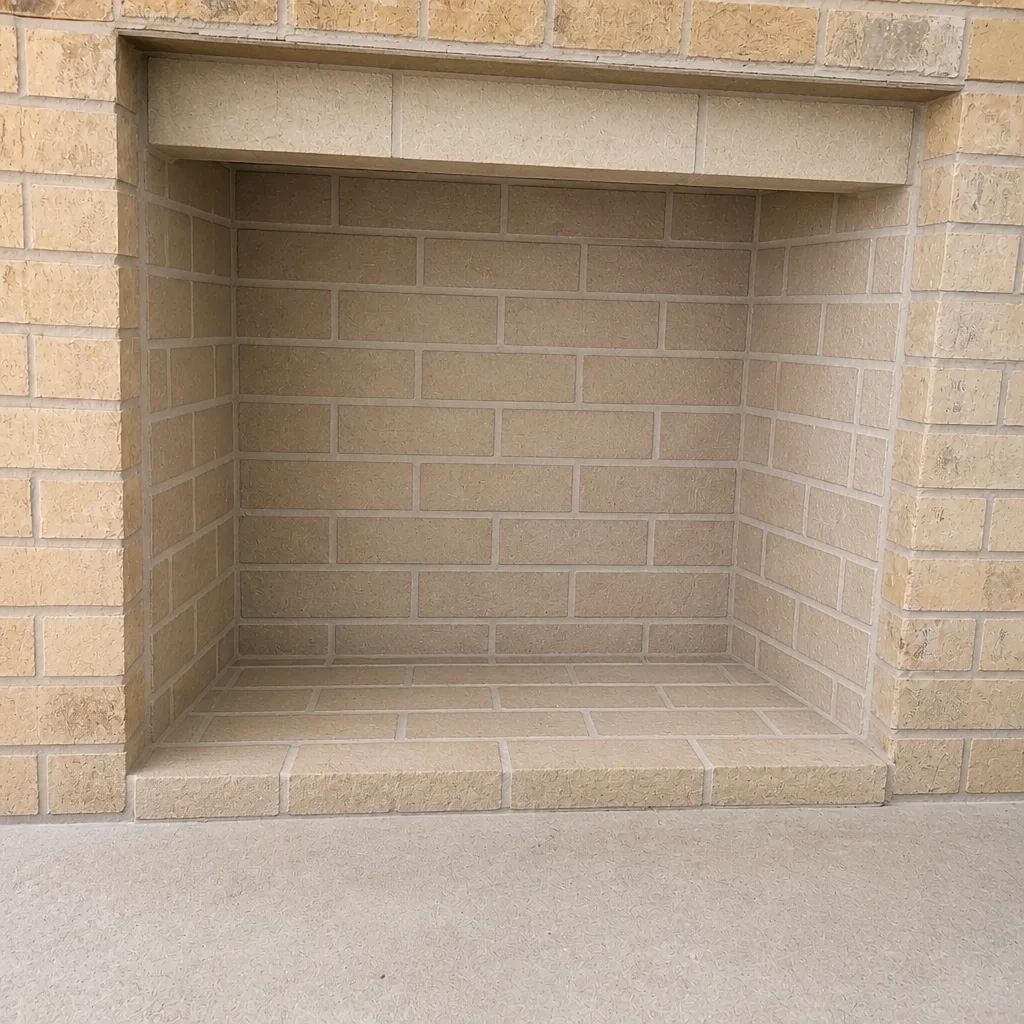
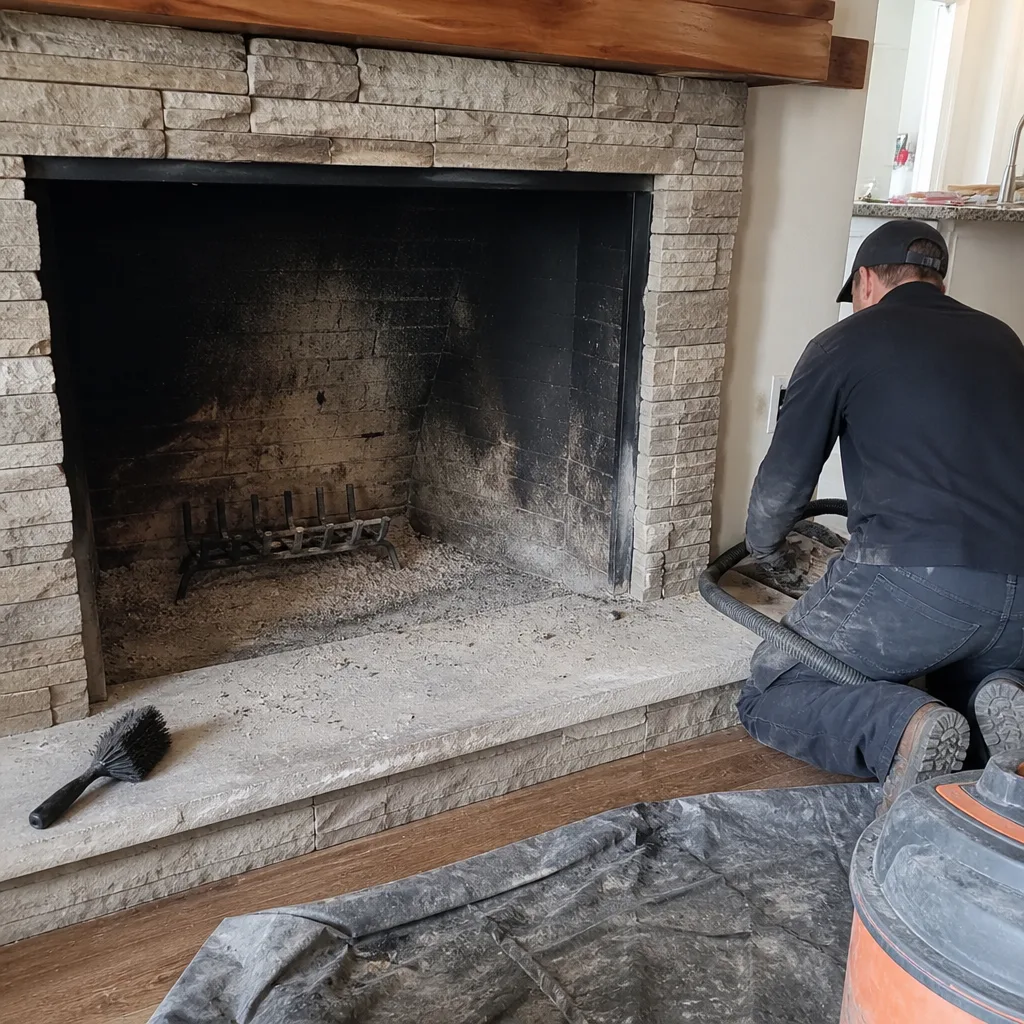
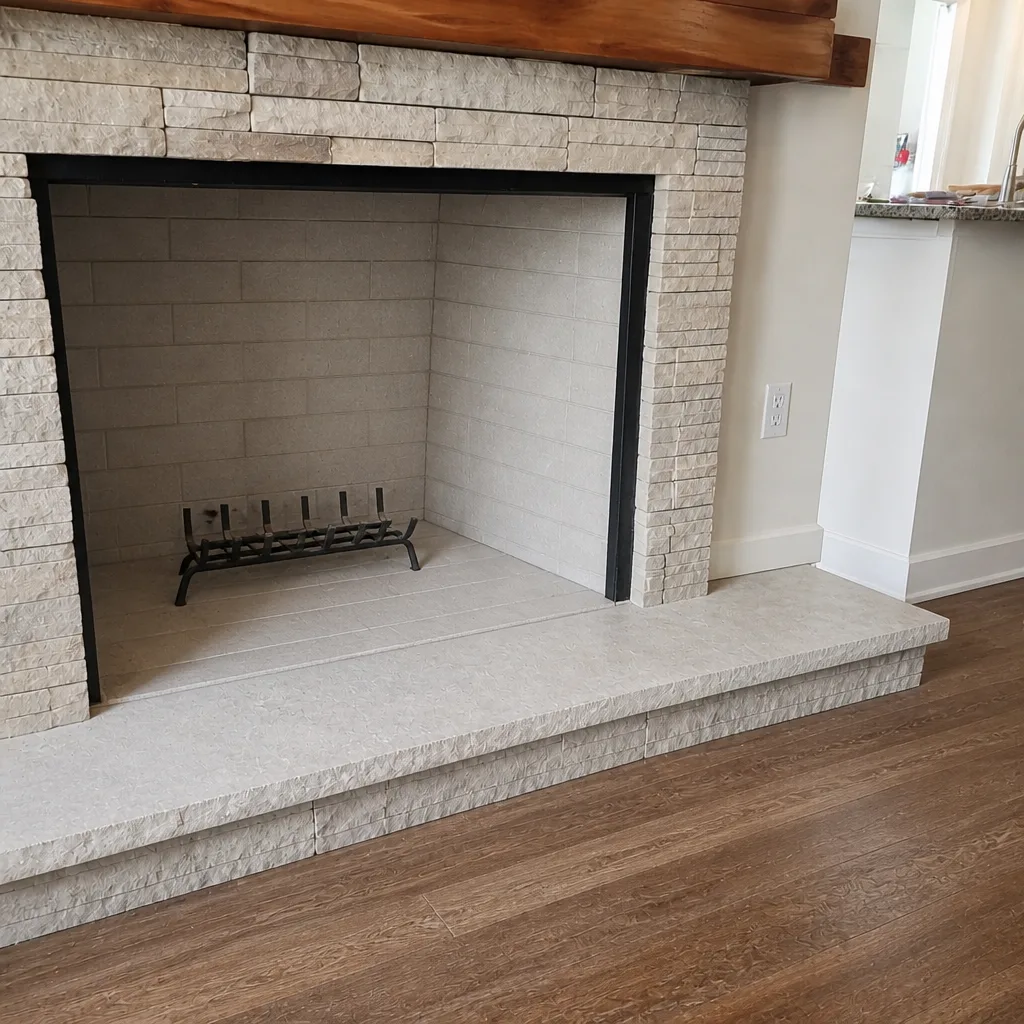
See the difference
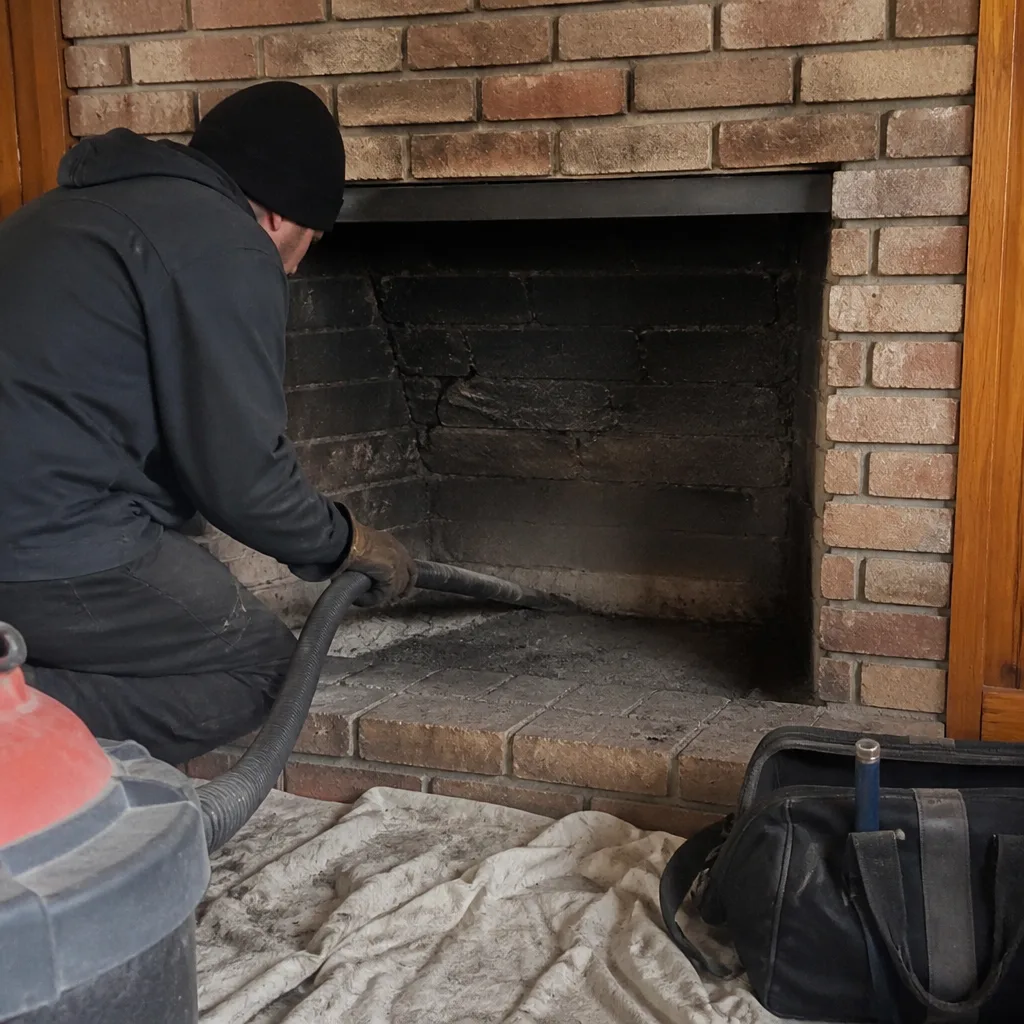 Before
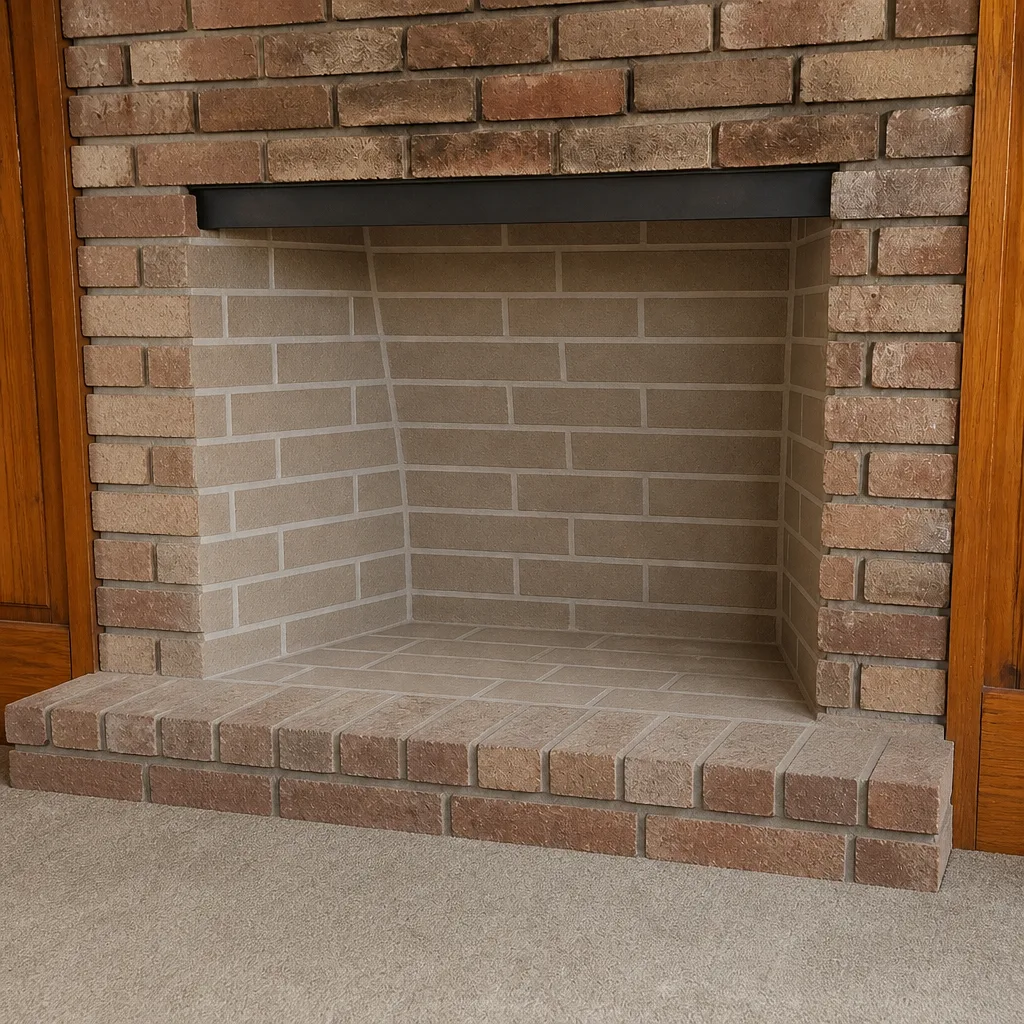 After
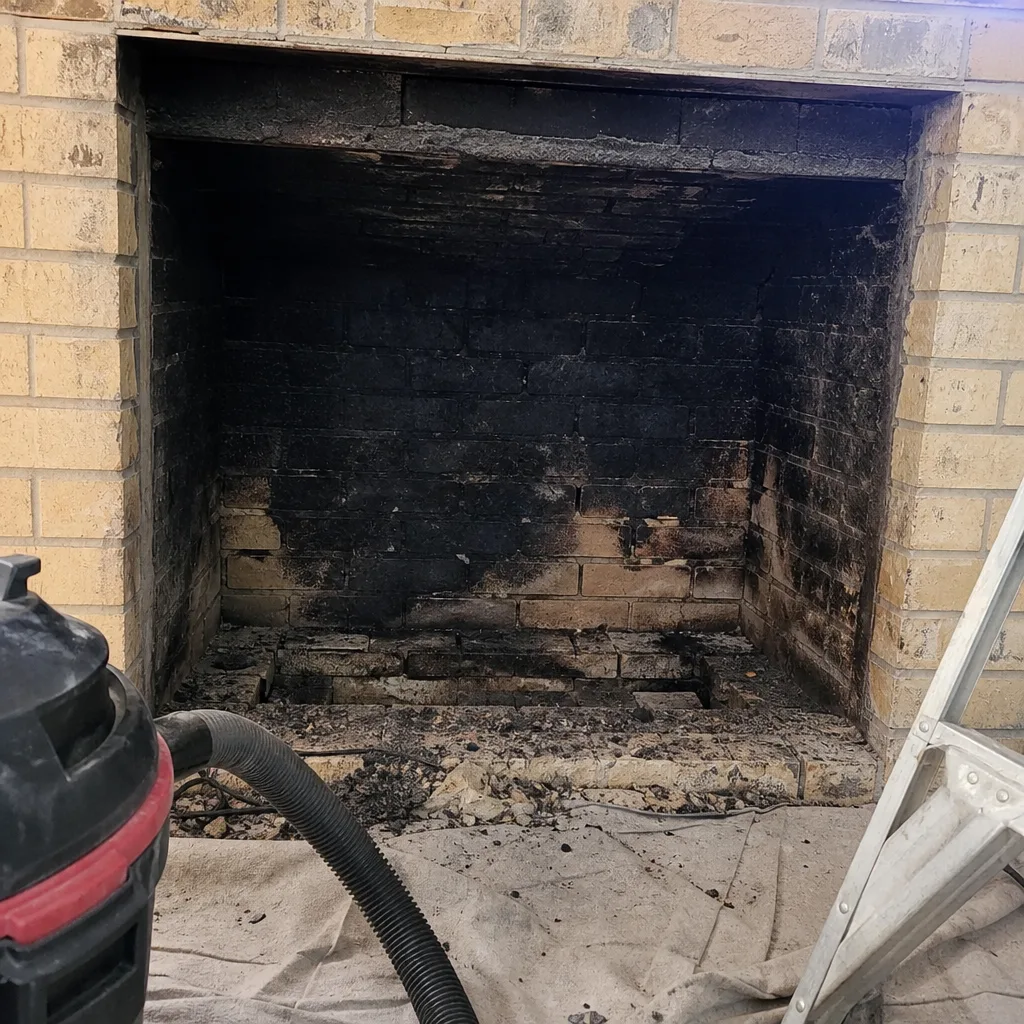 Before
 After
 Before
 After
When to Call a Professional
Call a professional chimney technician in Roy if any of these apply: a Stage 2 or Stage 3 creosote buildup is visible, the chimney has no inspection record, a wood fire produces smoke in the house, the damper won’t open or close freely, there’s water staining on the ceiling near the chimney, the flue liner is aging or unknown, or a homeowner has never had the system evaluated. For homeowners in Roy looking for a clear next step, contact a specialist who handles the whole system – sweeping, inspection, fireplace repair, and cap and crown work under one name. That means no handoffs between contractors.
Chimney Sweep Roy offers free estimates in Roy – call (877) 492-4205. There’s no charge to ask, and the written estimate sets the final price. We answer 24/7; fast dispatch from 7am to 7pm, Sunday through Friday.
Frequently Asked Questions
You can safely clean the firebox, ash pit, and the straight, straight-access flue section with a consumer brush kit, but you can’t safely clean the smoke chamber, the smoke shelf, or hidden offsets because you can’t see or reach them. If you don’t know the flue’s condition, a professional inspection should come first. For most homeowners, DIY is interim maintenance and a professional sweep is the annual baseline.
Once a year if you burn regularly, and every two to three years if you burn only occasionally on a newer, known-good liner. Frequency depends on fuel type, burn volume, and chimney age rather than the calendar alone. When in doubt, an inspection will tell you the actual deposit stage, and that decides it.
A professional sweep covers the smoke chamber, smoke shelf, and full flue with rotary tools and a containment vacuum, followed by a camera inspection of tile seams and liner condition. DIY covers the visible, straight-access zones. The professional also provides a documented inspection record, which matters if you ever face an insurance claim after a chimney fire.
Loose creosote is a real fire risk if it collects on the smoke shelf or in a flue offset, and a brush can move material into places it can’t remove it from. That’s one reason professional sweeping includes containment vacuuming and a camera check afterward. If deposits are heavy, a brush pass can make the situation worse rather than better.
HeatShield is a flue resurfacing system that rehabilitates a deteriorated tile liner from the inside without a full tear-out. It’s typically the right answer when a camera inspection finds cracked or spalling tile but the chimney structure itself is sound. It’s a professional decision made after an inspection, not a DIY repair, and it often costs less than demolition and rebuild of a masonry chimney.
Keep a dated log of each cleaning, note the condition you observed, and take photos of the firebox and the cap area. That’s better than nothing, but it’s not the same as an inspection report. If you ever file a claim, having a professional inspection on record is stronger evidence of routine maintenance than a homeowner’s own notes.
The Bottom Line
DIY chimney cleaning in Roy can accomplish real work: surface soot removal, firebox and ash maintenance, and sensible between-visit care. What it can’t do is reach the smoke chamber, read creosote stages, evaluate the liner, or document the flue’s condition for an insurer. The safe baseline for most Roy homeowners is an annual professional sweep and inspection, with DIY as interim upkeep. If your chimney has never had a camera inspection, or you’re seeing signs you can’t explain, book a professional evaluation through Chimney Sweep Roy. One specialist, the whole chimney – sweeping, inspection, fireplace repair, and cap and crown work – and it starts with a call.
Chimney Sweep Roy handles the sweep, the inspection, the repair, and the cap and crown – a full-system specialist rather than a generalist with chimneys on the side. Chimney Sweep Roy connects Roy-area homeowners with the professional chimney trade: sweeping, inspection, fireplace repair, chimney repair, and cap and crown work under one name, using professional-grade product lines including DuraFlex, HeatShield, Gelco, Olympia Chimney, Famco, and Copperfield. Our technicians have up to 9 years of experience. Estimates are free. Call (877) 492-4205. We answer 24/7. Fast dispatch from 7am to 7pm, Sunday through Friday.
Written by the team at Chimney Sweep Roy.