
Last updated November 24, 2026
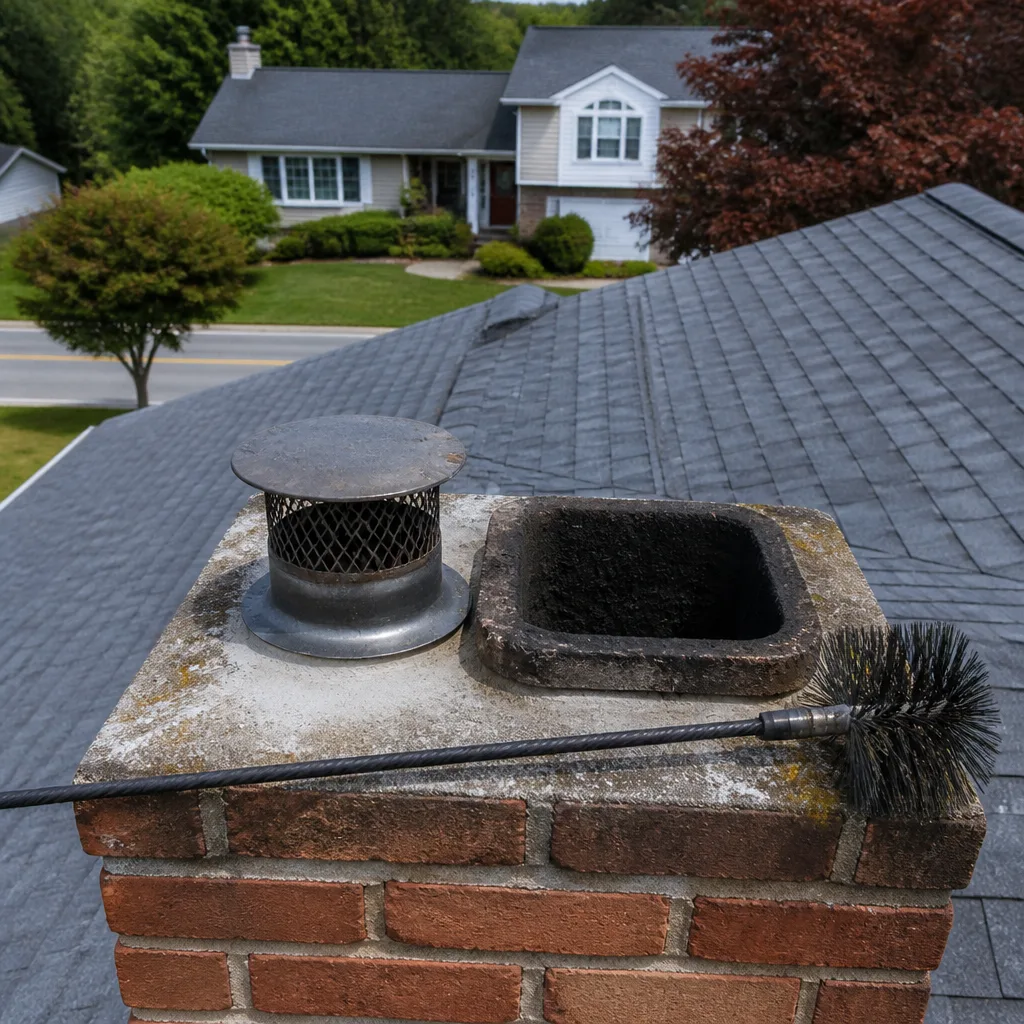 Sweep & inspection
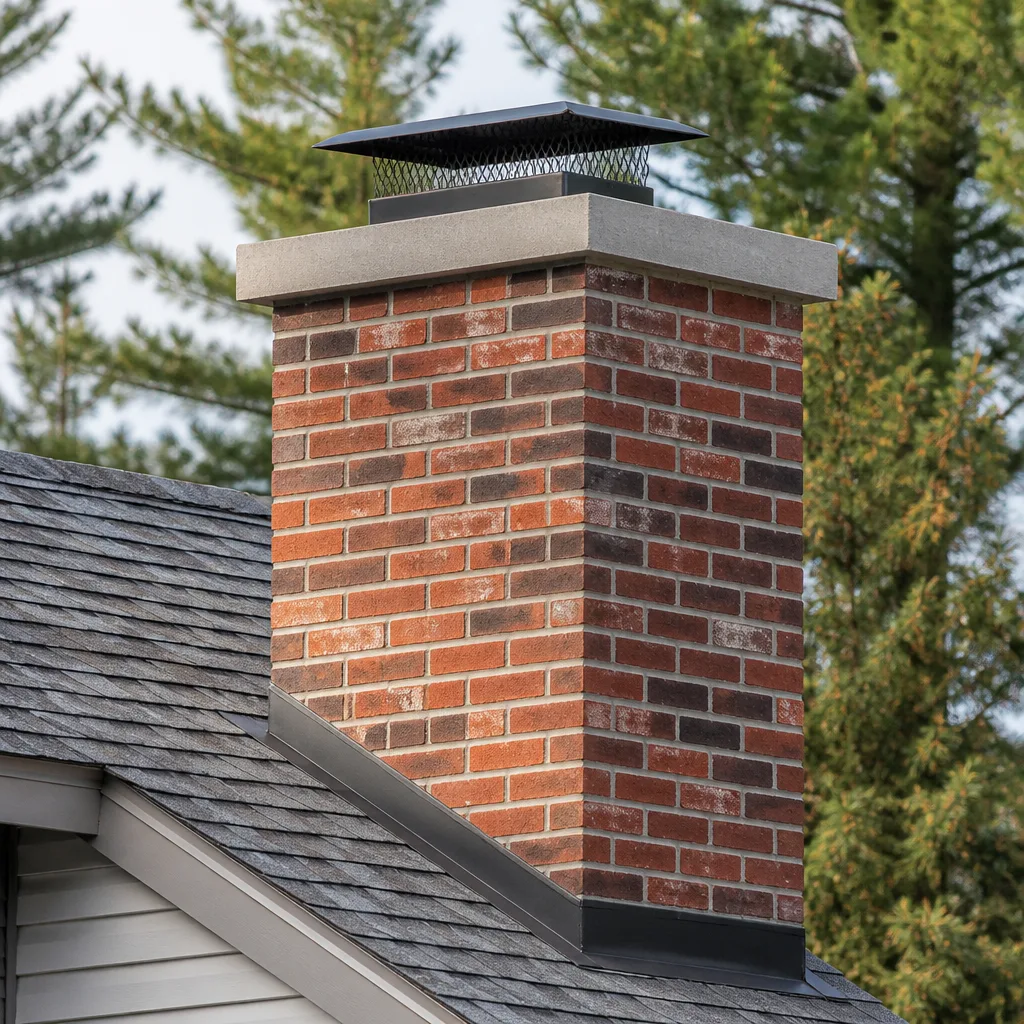 Caps & crowns
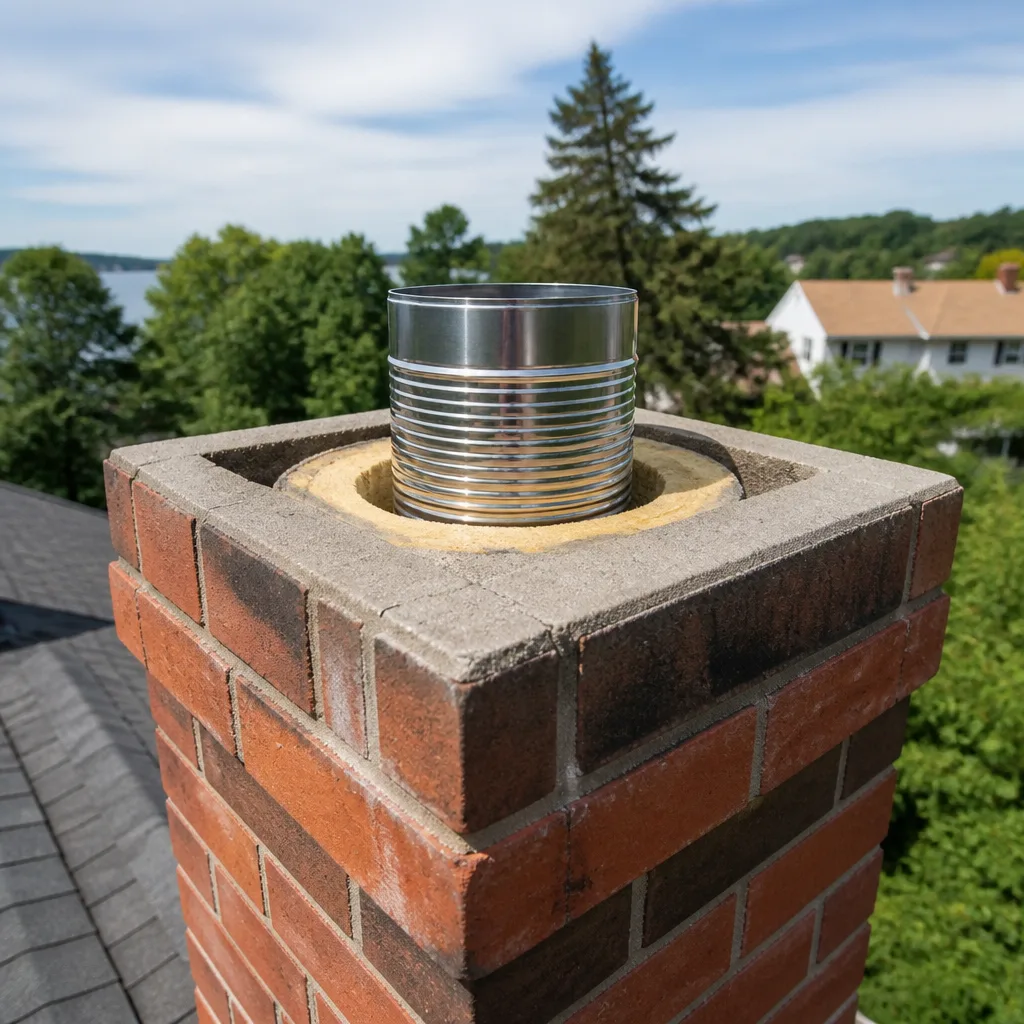 Flue relining
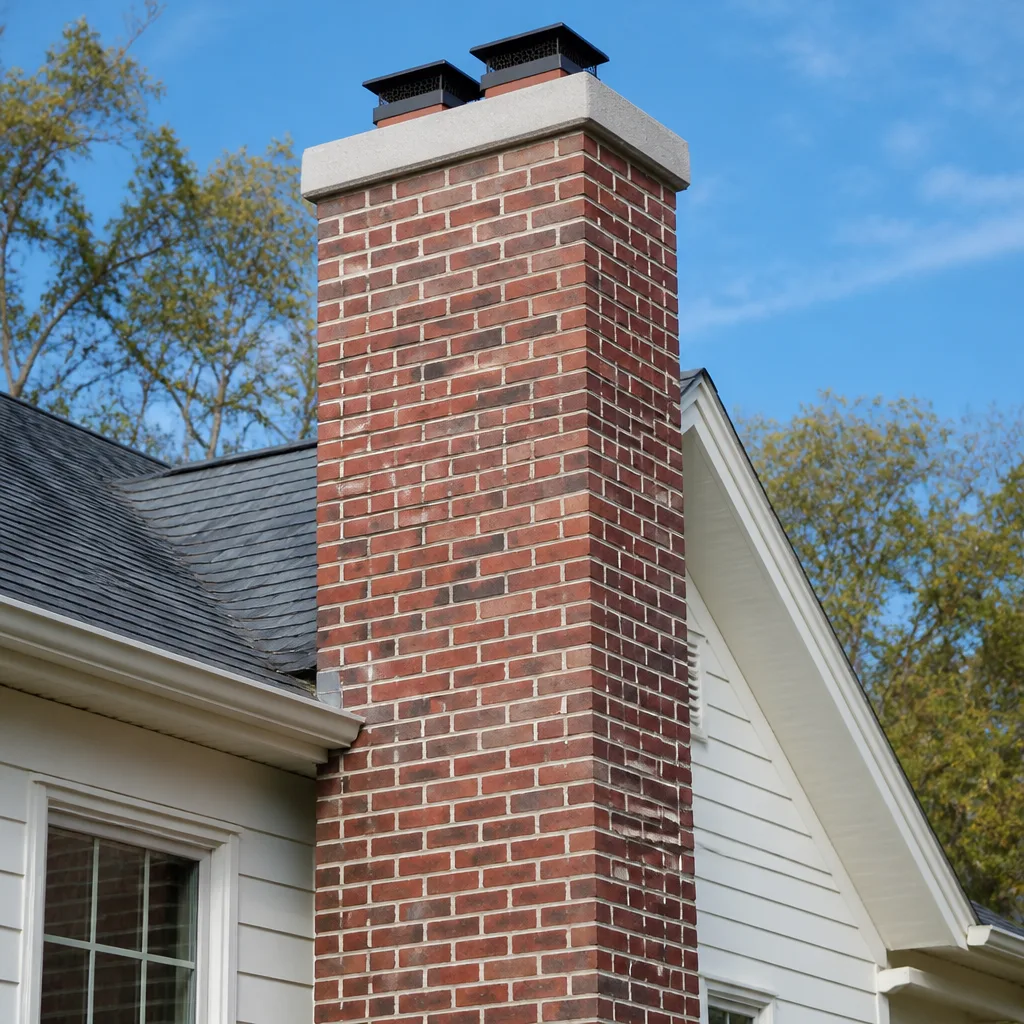 Masonry repair
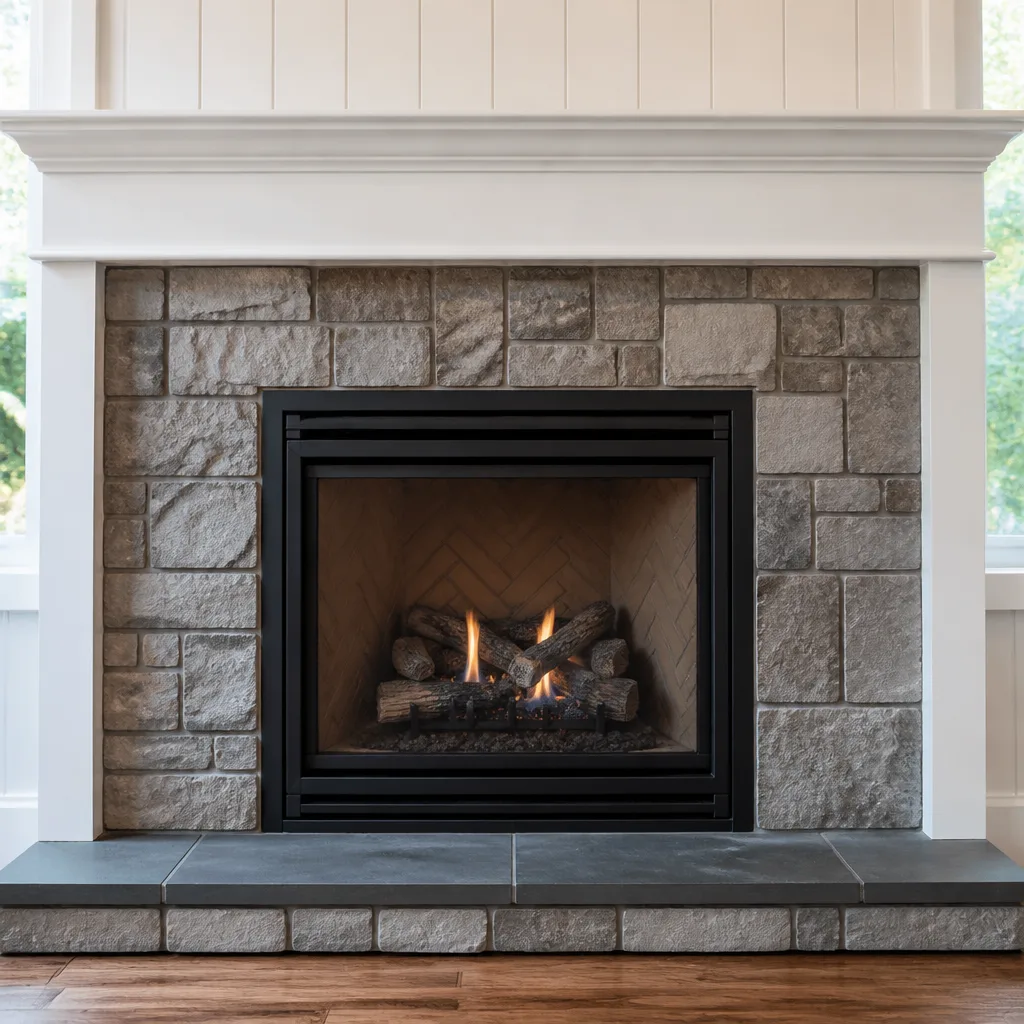 Gas fireplace service
Level 1 sweep and inspection to the NFPA 211 annual standard - flue, crown, cap, and flashing checked and photographed
Chimney sweep logs do not sweep chimneys. They loosen some creosote - which then falls where a brush and vacuum still have to collect it.
Chimney Cleaning Emergency Preparedness Guide for Roy Homes
Most chimney emergencies in Roy don’t start with a wall of flames. They start with a sound, a smell, or a puff of smoke where smoke doesn’t belong, at a moment when nobody in the house remembers whether you’re supposed to shut the damper, close the glass doors, or grab a phone. Here’s the uncomfortable truth: a fire extinguisher on the wall is not a chimney plan. A real plan means knowing your own chimney’s condition well enough to make the right call in thirty seconds. In this guide we’ll walk through the three emergencies Roy homeowners actually face, what belongs in a chimney emergency kit, how to shut a system down safely mid-season, what to tell the fire department, and how to document damage so your insurance claim holds up. Chimney Sweep Roy handles the inspection and repair side of this, but the decisions are yours to make.
Quick Answer
In a suspected chimney fire, get everyone out, call 911, and don’t run water on a hot flue. For smoke backing into the room, check that the damper is open, open a window near the stove, and stop using the fireplace until it’s inspected. For a carbon monoxide alarm, treat it as a gas emergency: evacuate, call 911, and have the full system inspected before anyone uses the fireplace again. Chimney Sweep Roy provides the inspection and repair work that turns those panic moments into a plan you already know.
Styles & brands we work with
- Sweep & inspection
- Caps & crowns
- Flue relining
- Masonry repair
- Gas fireplace service
Table of Contents
- Why chimney preparedness in Roy is different from a generic home-safety checklist
- Decision tree: three chimney emergencies Roy homes face
- What belongs in a chimney emergency kit
- How to shut your chimney system down safely mid-season
- What to tell the Roy Fire Department and what they’ll ask you
- Post-emergency documentation and insurance claims
- Pre-season inspection: the cheapest preparedness step
- Common mistakes to avoid
- When to call a professional
- Frequently asked questions
Why chimney preparedness in Roy is different from a generic home-safety checklist
Roy sits on the north end of the Wasatch Front, and the housing stock here reflects that: a lot of homes built in waves through the 1970s, 1990s, and 2000s, with a mix of masonry fireplaces, factory-built units, and wood stoves that get seasonal use and nothing else. That pattern matters. A chimney that works fine three seasons out of four is exactly the one that surprises people, because a slow crack in the flue or a buildup of creosote doesn’t announce itself until the first cold week of January.
The way a chimney system fails here is also seasonal. Cold nights followed by warmer afternoons mean temperature swings that work on masonry and metal joints. Snowmelt and freezing cycles around the crown and flashing are the most common path to water getting into a flue, and water getting in is what causes many of the liner problems we see in Roy. Add wind coming off the foothills and inversions pressing smoke down toward the valley, and you have a place where draft problems show up more often than in flatter, calmer country.
General home-safety advice tells you to have a fire extinguisher and test your smoke alarms. Good. But it doesn’t tell you what to do when chimney sweep work is overdue and smoke starts rolling into the room. In our experience, the homeowners who weather a chimney problem best aren’t the ones with the most equipment; they’re the ones who know whether their flue is lined, when it was last swept, and what their last inspection report said. That knowledge is the preparedness posture. Build it before you need it.
Decision tree: three chimney emergencies Roy homes face
Scenario 1: Active flue fire
Signs include a loud roaring or rumbling like a freight train, popping noises, flames or sparks visible at the top of the chimney, a dense smell of hot creosote, and stovepipe or a chimney face that gets too hot to touch. If you suspect a chimney fire in Roy, this is the sequence:
- Get everyone out of the house. No stopping for pets or belongings.
- Call 911 from outside, not from the kitchen, and tell them you have a chimney fire at a residential address.
- Don’t put water on a fire inside a hot flue or firebox. The thermal shock can crack masonry or metal.
- If the fireplace has glass doors and you can open them safely from a distance without touching metal, doing so changes nothing about the fire inside; the point is to close the room off from the rest of the house, not to fight the flue.
- Never try to climb up and put it out from the roof.
- Wait for the fire department.
The one misconception worth naming: closing the damper does not “put out” a chimney fire and can push smoke into the living space. Leave the fire department to make that call.
Scenario 2: Smoke backdraft
Smoke curling out of the firebox into the room, a fireplace that won’t catch, or soot appearing around the face of a gas log set. First, confirm the damper is actually open all the way. Next, open a window or door in the same room; a house sealed tight for winter can starve a fire of the air it needs and pull smoke back down the flue. Check that the chimney cap isn’t clogged with snow or a bird’s nest, and check the exterior for obvious nesting. If it still backdrafts, stop using the fireplace until a technician inspects it. Backdraft gets misdiagnosed as “bad wood” all the time; in our experience it often traces back to a blocked flue, a failing cap, or a liner that’s not sized correctly for the appliance.
Scenario 3: Suspected carbon monoxide
A CO alarm going off, or a headache and fatigue that clear up when you leave the room, means treat it as a gas emergency. Evacuate, call 911, and don’t re-enter to open windows or shut the stove down. Carbon monoxide is the reason chimney and venting problems are treated seriously even when there’s no visible smoke. A blocked or cracked flue on a gas appliance can leak CO into a home with zero warning, and only a proper inspection with a combustion analyzer will confirm whether the system is venting correctly. Call the fire department first, then schedule an inspection. The appliance stays off until it’s cleared.
What belongs in a chimney emergency kit
A chimney emergency kit in Roy is small, cheap, and it lives in one place. Assemble it before burning season and check it once a year. The essentials:
- Two ABC-class fire extinguishers – one near the hearth, one in the garage or utility room. Learn where the pin is before you need it.
- Chimney fire suppressant canisters – these are a specific product, not a generic extinguisher. They’re designed to be thrown into the firebox (or discharged through a stove’s air inlets) to knock down a chimney fire from inside. Read the instructions the day you buy it, not the night you need it. They buy time for the fire department; they don’t replace the call.
- A working carbon monoxide alarm on every level of the house, and a smoke alarm on every level and in every sleeping area. Test both monthly.
- A heavy-duty flashlight, stored with spare batteries. You’ll need it in the dark looking up a flue or checking a cap.
- A pair of heat-resistant work gloves and a small garden trowel for dealing with ash after a shut-down.
- A metal ash can with a tight lid – never put ash in a paper bag or plastic bucket. Ash can hold heat for a day or two.
- A printed copy of your last inspection report and a note with the make and model of your fireplace or wood stove. The fire department will want both, and the report is useful when a technician needs to know what’s been done.
- A printed emergency contact card with our number on it: (877) 492-4205.
The suppressant canister deserves its own sentence, because we’ve seen people misuse them. Don’t stockpile expired canisters, and don’t assume the canister means you don’t need to call for help. It’s a buy-time tool. The probe thermometer you use on the stovepipe is a separate, useful addition; a probe thermometer tells you when you’re burning hot enough to keep creosote down and cool enough to avoid a runaway.
How to shut your chimney system down safely mid-season
Discovery of a problem mid-season is common in Roy. You hear a rattle when the wind blows, or a technician finds a cracked flue tile during a sweep, and you need to stop using the fireplace until it’s fixed. Here’s how to shut the system down safely without doing damage:
- Extinguish the fire completely. Spread the embers with a poker, let them cool, and don’t add wood. Do not dump water on a hot firebox unless it’s an emergency; the thermal shock can crack firebrick and the stove’s metal.
- Close the glass doors or the stove door once the fire is out and cooled. Leave the damper open until the firebox is cool to the touch, so any lingering smoke has somewhere to go.
- Clean out the ash into a metal can, and close the ash cleanout door.
- Cap the top of the flue if the cap is missing or damaged. A temporary cap prevents rain, snow, and birds from getting in during the shutdown period. chimney repair work in Roy frequently begins with a missing or loose cap, and it’s the cheapest problem to fix before it turns into a water-damaged flue.
- Tag the fireplace. Tape a note to the glass doors that says DO NOT USE, and tell everyone in the household. This sounds obvious. It prevents someone from relighting it while you’re waiting on a repair.
- Block the room off, or move anything combustible at least three feet away from the hearth.
- For a gas appliance, shut off the gas valve at the appliance, not at the wall. Don’t relight it until a technician has confirmed the venting is sound.
If you’re not sure whether to shut the system down or keep using it, that’s a call worth making sooner rather than later. A quick phone call to (877) 492-4205 will tell you whether it can wait until a scheduled appointment or whether the appliance needs to come offline today. We answer 24/7. Fast dispatch from 7am to 7pm, Sunday through Friday.
What to tell the Roy Fire Department and what they’ll ask you
When you call 911 about a chimney fire, what you say in the first thirty seconds matters more than you’d think. Roy Fire & Rescue responds based on the information you give, so give them enough to make a decision. Here’s what to be ready to tell them:
- Your exact address, nearest cross street, and whether everyone is out of the house.
- What’s burning: a fireplace, a wood stove, or a gas appliance.
- What you can see and hear: flames at the top of the chimney, smoke rolling out of the firebox, sparks, a roaring sound, or soot on the roof.
- Whether anything has changed about the chimney recently: a sweep, a repair, a new appliance, or a storm.
- Whether anyone has symptoms: headache, dizziness, nausea, or confusion, which suggest carbon monoxide rather than a flue fire.
- Whether there are pets or anyone with mobility issues still inside.
- The make and model of the appliance, from your emergency kit card, and the date of your last inspection.
The fire department’s job is to put the fire out and make sure the house is safe. They won’t inspect the inside of the flue, won’t tell you whether your liner needs replacing, and won’t clear you to use the fireplace again. That’s the next call: a chimney specialist who can look at the flue after the fire is out. In our experience, the homeowners who get through a chimney fire with the least damage are the ones who call the fire department first, then schedule an inspection within a day or two, before the fire department’s report closes out and the cause gets forgotten.
Post-emergency documentation and insurance claims
If a chimney emergency involves damage, your insurance claim depends on what you recorded in the first hours. Slow down after the fire department leaves and follow these steps:
- Photograph everything before you clean up. The interior of the firebox, the face of the fireplace, the flue interior if you can see it, the top of the chimney, the roof around the chimney, and any smoke or soot damage in the living space. Take wide shots first, then close-ups.
- Don’t clean or repair anything before documenting. Cleanup destroys evidence a claims adjuster and a chimney inspector both need.
- Keep the fire department report number. Note the responding station and the case or incident number.
- Preserve damaged parts. If a liner section, cap, or damper has to come out, keep it until the claim closes. Save the burned-through section of a liner in a labeled bag.
- Get a written report from a chimney specialist. Your insurer will need to know what failed, why, and what it takes to fix it. Our inspections produce a written report with photos, which the adjuster can compare to your photos.
- Call your insurer promptly. Most policies cover fire damage from a chimney fire, but the coverage language and the documentation window both matter. Ask what your policy requires before any repair work begins.
- Keep the repair estimate and the invoice together. If the claim goes into dispute, the paper trail is what resolves it.
In our experience, the repair scope is where claims get complicated. A flue that’s been through a fire often needs a new liner, and the insurer wants proof the liner was properly installed to begin with. If you have a chimney repair record from before the fire, and an inspection report, you’ll have a smoother claim. If you don’t, the post-fire inspection does double duty: it tells you what failed and it tells the adjuster.
Pre-season inspection: the cheapest preparedness step
The single most useful thing you can do for chimney preparedness in Roy happens before burning season, not during it. An annual inspection, done by a chimney specialist before you light the first fire of the season, catches the problems that would otherwise become an emergency in January. Here’s what a thorough inspection looks like:
- A visual check of the firebox, damper, smoke chamber, and flue, with a camera where the view is blocked.
- A check of the crown, cap, flashing, and the roof area around the chimney for water intrusion and animal entry.
- A creosote assessment, so you know whether a sweep is needed and how soon.
- A draft test, especially if the fireplace has ever struggled to catch or has smoked into the room before.
- A written report with photos, which you can share with your insurer if something goes wrong later.
Why does this matter here specifically? Roy’s cold winters mean most people burn steadily for months. Steady burning builds creosote faster than occasional fires, and the temperature swings around the chimney work on masonry. Both problems are slow, and both turn urgent precisely when you can’t easily schedule a repair.
If you haven’t had an inspection in a while, or you’ve bought a Roy house and don’t know the chimney’s history, that’s the first call to make. We can look at the flue, tell you what the last inspection would have found if one had been done, and give you a written report. Need fireplace repair as well? We handle that too, so a single visit can cover inspection and the small fixes it finds. That’s the whole point of working with a chimney specialist rather than a generalist: the inspection and the repair don’t have to be two projects with two contractors.
Common Mistakes to Avoid
- Putting water on a live chimney fire. It feels like the obvious move, and it’s the wrong one. The thermal shock can crack masonry, warp a metal liner, or blow steam back into the room. Get out and call 911; the fire department has the right tools.
- Closing the damper to “smother” the fire. On a real flue fire, this pushes smoke and carbon monoxide into the house instead of stopping the fire. Leave the damper alone and evacuate.
- Relighting the fireplace after a backdraft without an inspection. Backdraft is a symptom, not a fluke. In our experience it usually points to a blocked flue, a failing liner, or a draft problem that will happen again, and next time it might be smoke in a bedroom at 2 AM.
- Assuming the carbon monoxide alarm was a false alarm. After any CO alarm, the system gets inspected before it’s used again. CO alarms fail to alarm more often than they alarm falsely.
- Skipping documentation after a chimney fire. Cleanup destroys the evidence your insurer and your chimney specialist both need to determine what failed and what’s covered.
- Relying on a general handyman for a chimney problem. A chimney is a system, not a pipe. A generalist who does chimneys as a side job may sweep the flue and leave the crown, cap, and liner issues untouched, and those are the parts that cause emergencies.
- Waiting until the first cold week to book an inspection. The first freeze in Roy brings a wave of booking requests. An inspection in the fall is easier to schedule and cheaper than a January emergency.
- Burning green or unseasoned wood to “get through” a season. Wet wood burns cool, deposits more creosote, and increases the risk of a flue fire. It’s the most common avoidable cause we see.
When to Call a Professional
Call a chimney professional immediately after any actual chimney fire, even a small one, and after any carbon monoxide alarm. Call promptly, not immediately, when you notice smoke backing into the room, a damper that’s stuck or won’t close, soot or debris around the face of the fireplace, a cap that’s missing or damaged, or a chimney that hasn’t been inspected in more than a year. Call to schedule, not to panic, when you’re planning a new wood stove, have bought a home in Roy and don’t know the chimney’s history, or want a pre-season inspection before winter. Chimney Sweep Roy offers free estimates in Roy, so if you’re not sure whether your situation needs a call, the estimate will tell you. Call (877) 492-4205, or reach out through the Chimney Sweep Roy page to get started.
Frequently Asked Questions
Yes. Any suspected chimney fire in Roy should be reported to 911 immediately, from outside the house, after everyone is out. Even a small fire inside a flue can spread into the chimney structure or the attic, and only the fire department can confirm it’s out. After they leave, call a chimney specialist to inspect the flue before the fireplace is used again.
A standard chimney sweep in the Roy area is typically estimated in the $175 to $325 range, and higher if the flue is badly fouled or the fireplace hasn’t been serviced in years. The written estimate sets the final price, and the estimate itself is free. Call (877) 492-4205 for an exact quote. Estimates are free.
Often, yes, but not automatically. A flue fire can crack tiles, warp a metal liner, and damage the joints and seals that keep combustion gases inside the flue. A camera inspection will show whether the liner is compromised. If it is, options include a new liner or, in some cases, resurfacing with HeatShield, which can restore a deteriorating flue without a full tear-out. The camera evidence tells you which, and we always show it to you before recommending work. Call (877) 492-4205 to schedule the inspection. Estimates are free.
Most wood-burning chimneys need sweeping once a year when they’re in regular use, and more often if you burn heavily or notice a lot of buildup. Gas appliances need an annual inspection even though they don’t produce creosote the way wood does. If you’re in a Roy home and don’t know your chimney’s history, book a sweep and an inspection together. Call (877) 492-4205. Estimates are free.
Nothing, until something does. A crack in a flue, a missing cap, or a buildup of creosote can sit quietly for seasons, then turn into a backdraft, a chimney fire, or a carbon monoxide problem at the worst moment. The inspection is what catches the problem while it’s still cheap to fix. Call (877) 492-4205 to schedule one. Estimates are free.
Get everyone out of the house and call 911 from outside. Don’t open windows, don’t shut the appliance down, and don’t go back in for anything. After the fire department clears the house, have the full chimney and venting system inspected before the appliance is used again. We can inspect the system and tell you exactly where the CO was coming from. Call (877) 492-4205. Estimates are free.
Yes. If a technician has found a problem and you’re waiting on repair, stop using the fireplace until it’s fixed. Tag the doors, clean out the ash, cap the flue if the cap is damaged, and keep anything combustible away from the hearth. It’s usually a short wait, and the alternative is a much bigger problem. Call (877) 492-4205 to schedule the repair. Estimates are free.
The Bottom Line
Chimney emergency preparedness in Roy comes down to three things: know your system, prepare the tools, and know the correct sequence for each emergency. Get out and call 911 for a flue fire or a CO alarm. Stop using the fireplace and get an inspection for smoke that won’t clear. Document everything after a fire, before you clean up, so your insurer has what it needs. The rest is maintenance: an annual sweep and inspection, a cap and crown that keep water out, and a liner that’s sound. That work is what turns a 2 AM panic into a plan you already know how to follow. Chimney Sweep Roy handles the whole system from firebox to crown, so the preparedness side and the repair side are one relationship. Call (877) 492-4205. We answer 24/7. Fast dispatch from 7am to 7pm, Sunday through Friday.
Written by the team at Chimney Sweep Roy.
See the difference
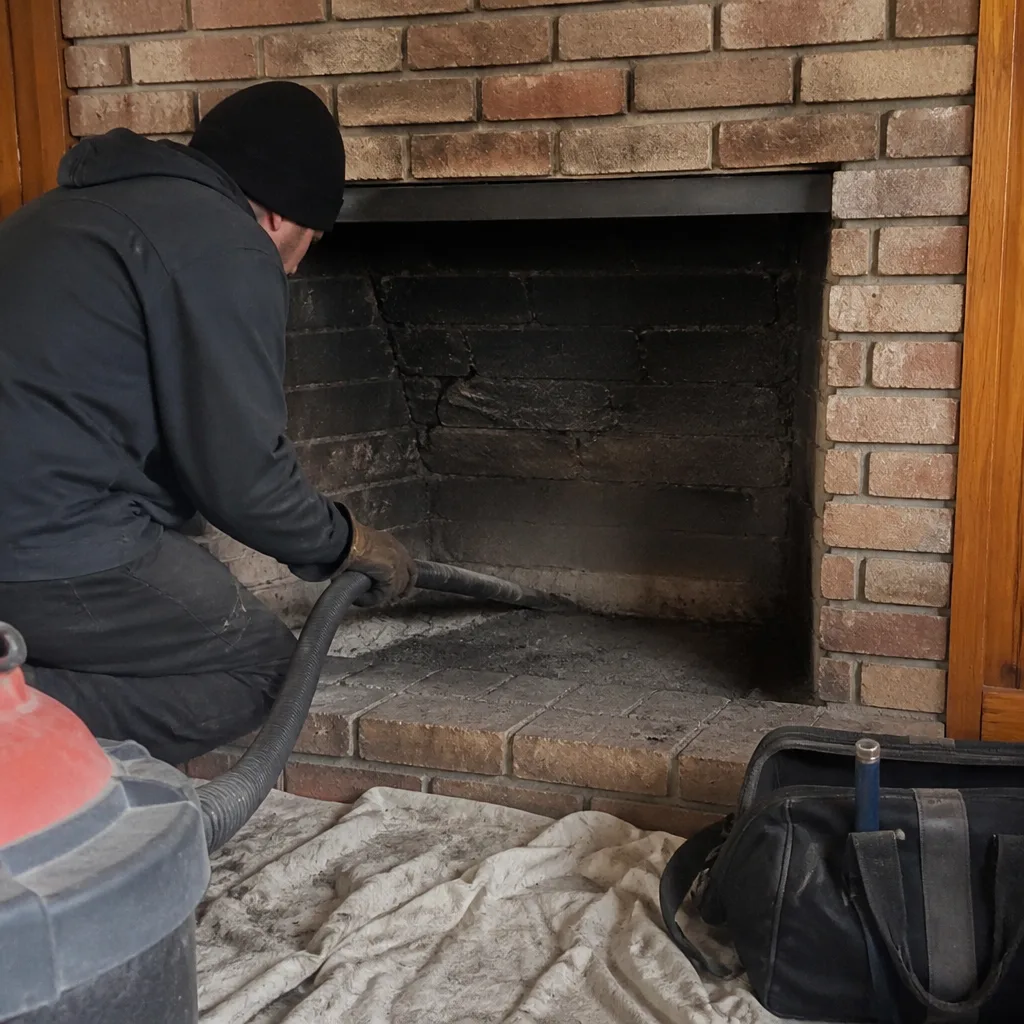 Before
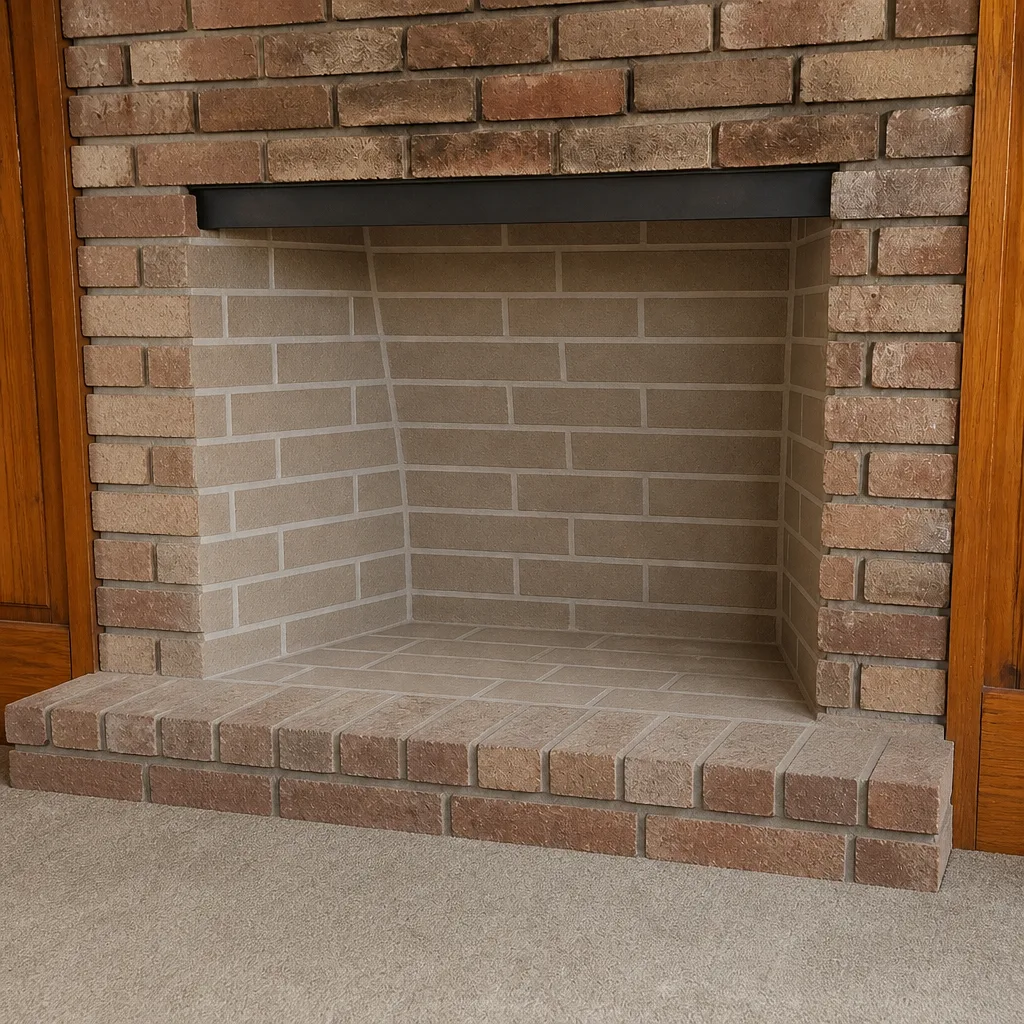 After
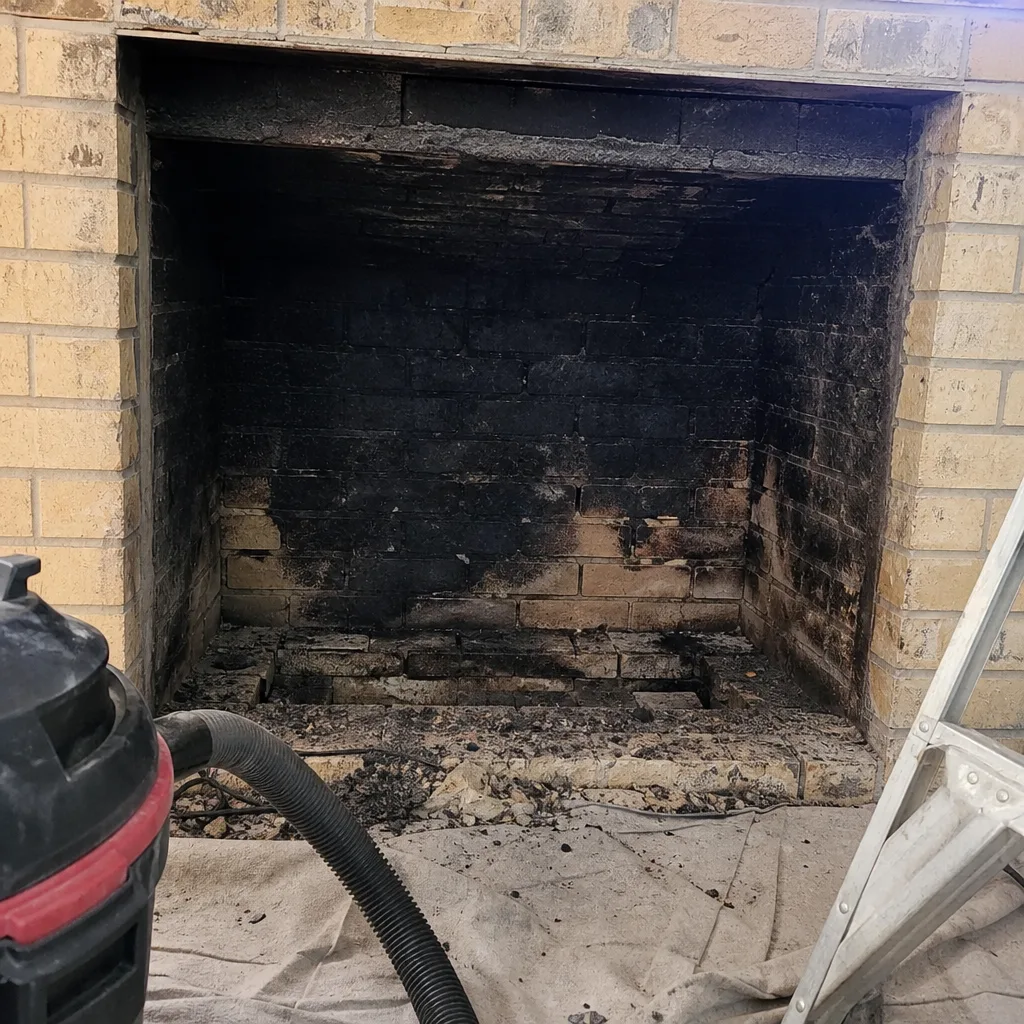 Before
 After
 Before
 After