
Last updated November 24, 2026
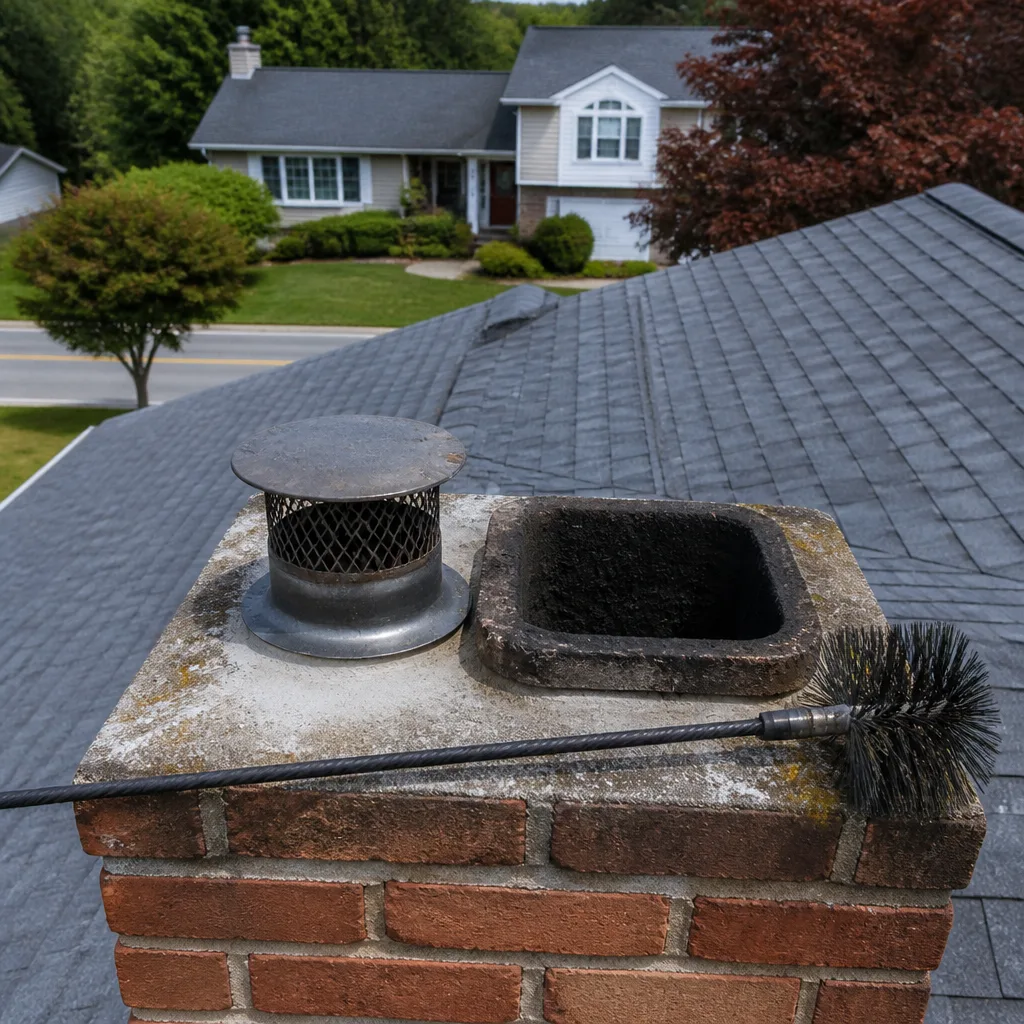 Sweep & inspection
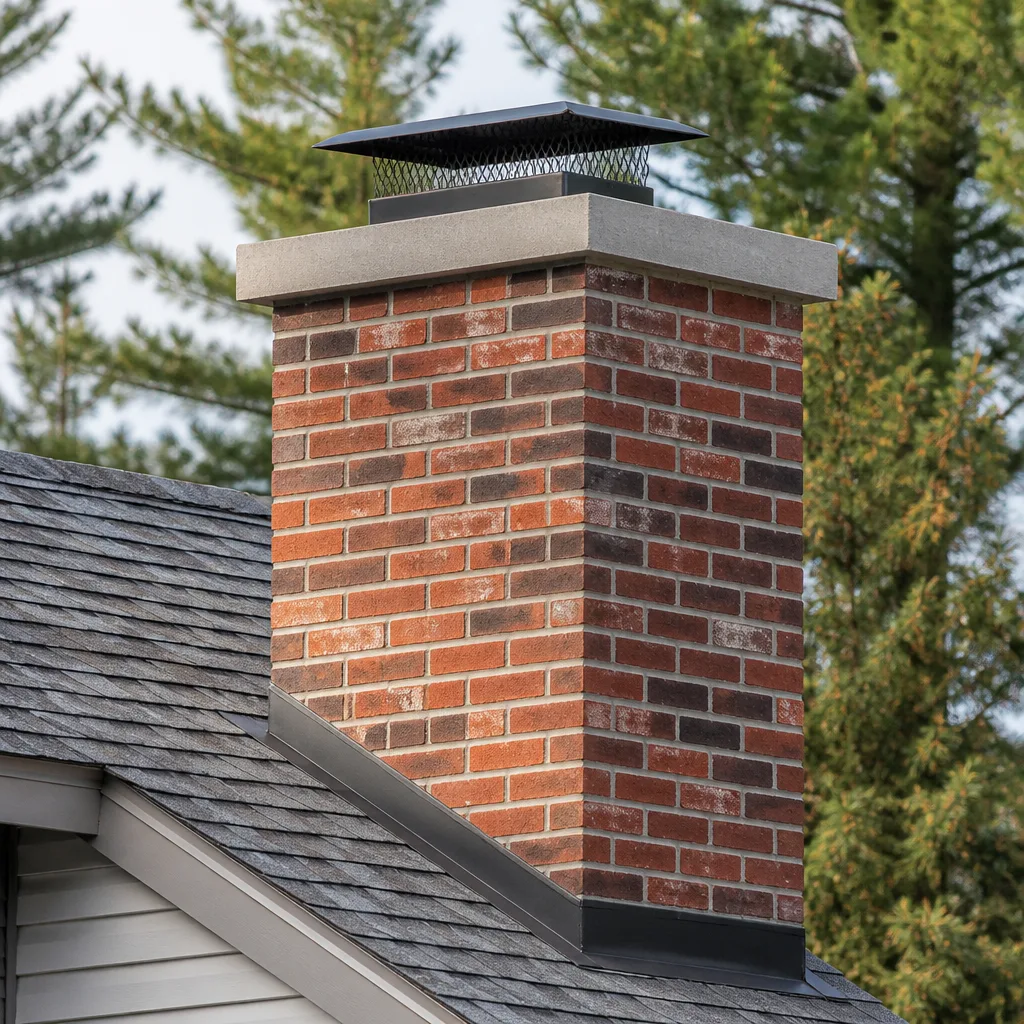 Caps & crowns
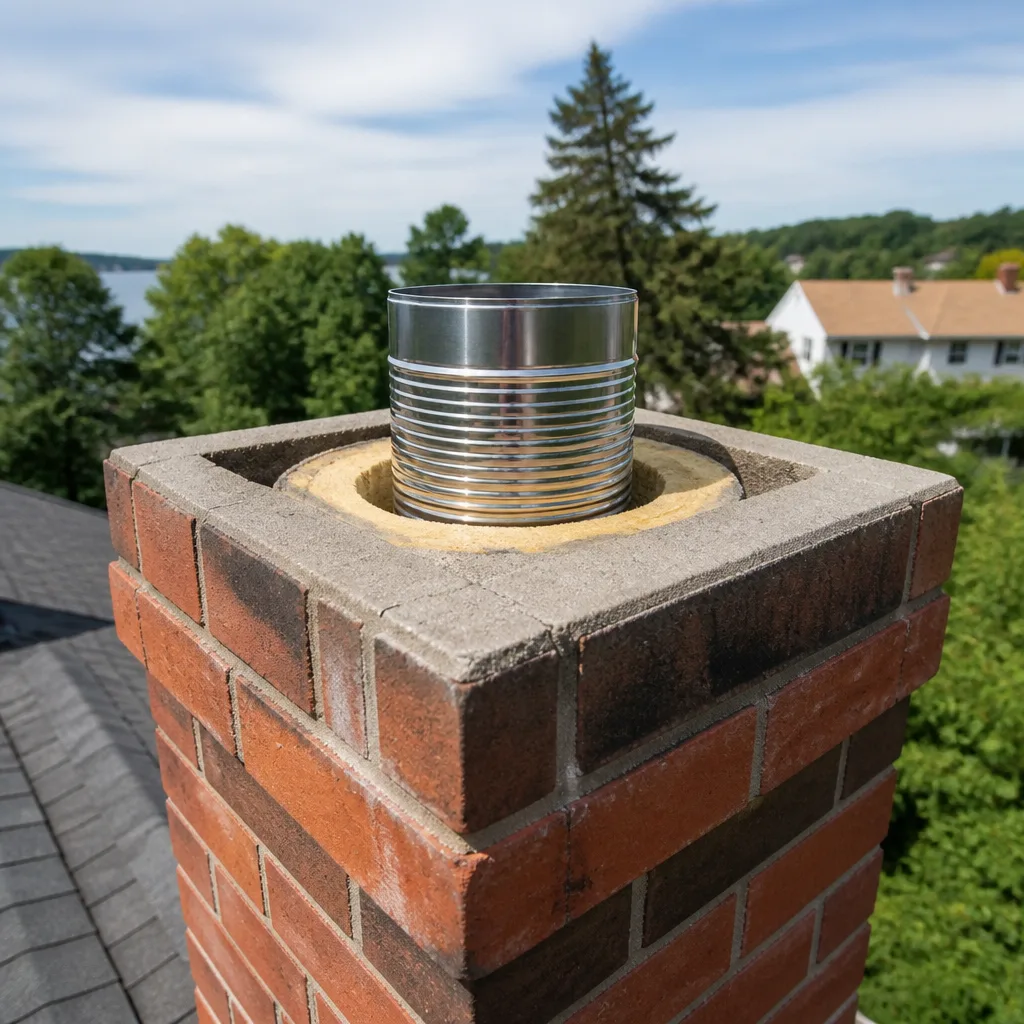 Flue relining
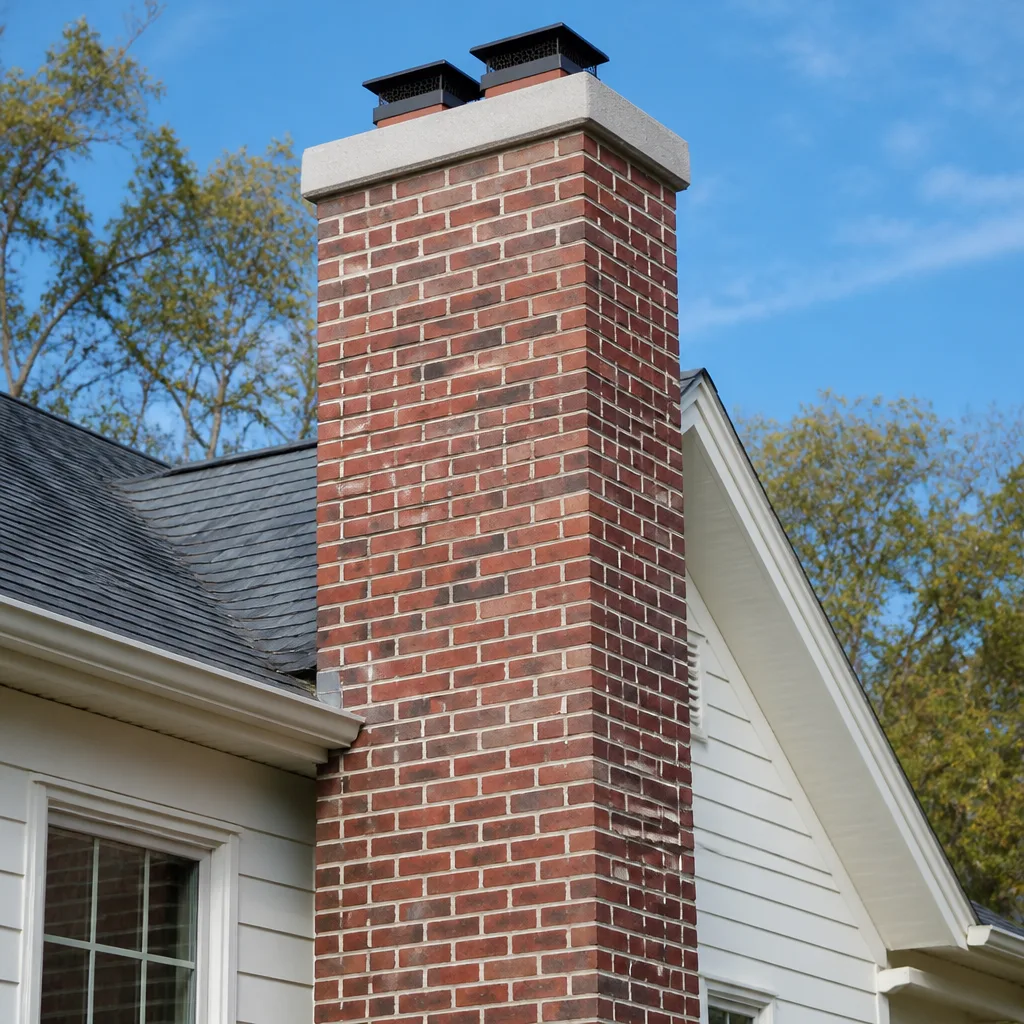 Masonry repair
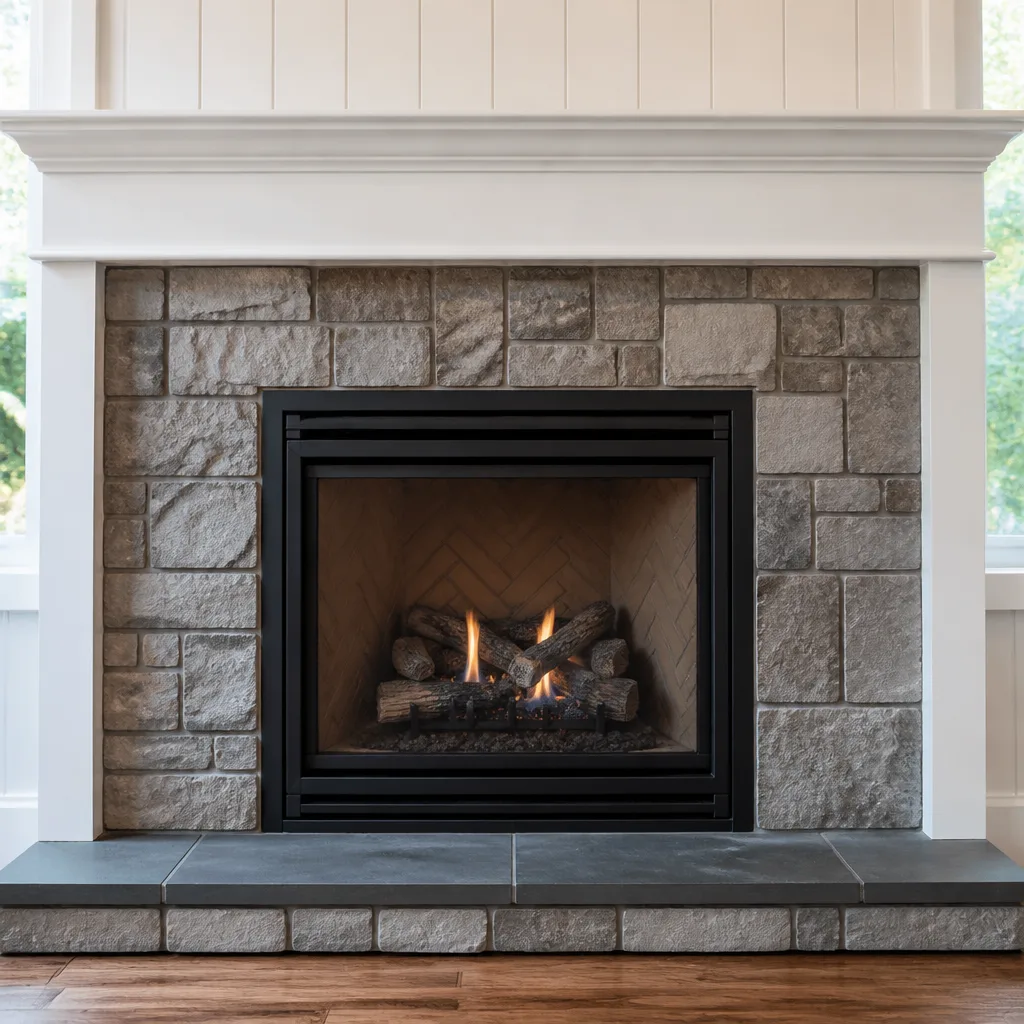 Gas fireplace service
Level 1 sweep and inspection to the NFPA 211 annual standard - flue, crown, cap, and flashing checked and photographed
Chimney sweep logs do not sweep chimneys. They loosen some creosote - which then falls where a brush and vacuum still have to collect it.
The Complete Guide to Chimney Cleaning in Roy
Most chimney guides treat cleaning as one annual chore: call someone, get the flue brushed, forget it until next year. In Roy, that advice falls short. The city sits at roughly 4,400 feet, and the winter inversions that settle over Weber County trap smoke and particulates low in the valley. That trapped, slow-moving air is a creosote accelerant, and it changes how often your chimney needs attention and what a thorough cleaning actually involves. This guide maps the full cleaning process to the conditions Roy homeowners live with: elevation, inversion season, and the age of the housing stock here. You’ll learn what a real cleaning covers, which inspection level you need, and what to expect when it’s done.
Quick Answer
A proper chimney cleaning in Roy means brushing the flue and sweeping the firebox and smoke chamber as one connected system, not just the flue in isolation. Most wood-burning households here need it once a year, ideally before burning season starts in late fall. The work should include a camera inspection and a written report you keep. Pricing is set per job by a written estimate, and at Chimney Sweep Roy the estimate is always free.
Styles & brands we work with
- Sweep & inspection
- Caps & crowns
- Flue relining
- Masonry repair
- Gas fireplace service
Table of Contents
- Why Chimney Cleaning in Roy Is Different
- How Often Should You Clean Your Chimney in Roy?
- Level 1, Level 2, and Level 3 Inspections Explained
- Why the Firebox, Smoke Chamber, and Flue Get Cleaned as One System
- Contractor-Grade Tools and Liners vs. Hardware-Store Products
- What a Legitimate Cleaning Should Look, Smell, and Read Like
- Signs Your Chimney Needs Cleaning Now
- How to Prepare for a Cleaning
Why Chimney Cleaning in Roy Is Different
Roy’s elevation and its position in the Weber County valley shape how creosote forms, and most national chimney advice doesn’t account for it. When cold air settles and inversions hold smoke and particulates close to the ground for days at a time, the exhaust from every fireplace in the neighborhood lingers. A chimney in Roy doesn’t draft the way one does in a lower-elevation Utah city like St. George, where warmer air and more open terrain let smoke disperse. The result: creosote can accumulate faster and in different forms here than the generic “once a year, every year” advice assumes.
That matters because creosote isn’t one substance. It forms in three stages, and each stage is harder to remove:
- Stage 1: a light, flaky soot that brushes off easily. This is what a well-maintained chimney mostly holds.
- Stage 2: a crusty, hardened deposit that clings to the flue walls and takes real work to remove.
- Stage 3: a glazed, tar-like coating that’s the most flammable and the hardest to clear, often needing specialized tools rather than a standard brush.
The housing stock adds another layer. Older homes around Roy often have fireplaces and flues built to older standards, sometimes with unlined or deteriorating flue tiles. Newer construction tends to be tighter and better sealed, which shifts how a chimney drafts. A cleaning plan for a 1950s bungalow and a newer build on the same block isn’t the same plan. That’s why we look at the whole chimney, not just the flue, and it’s why a proper chimney sweep in Roy starts with an assessment, not a brush.
We’re a chimney specialist, not a general handyman with chimneys added to a menu. Roy handles it from firebox to crown. That focus is why we can tell you, honestly, when your chimney needs a full cleaning, when it needs a liner evaluated, and when work can safely wait.
How Often Should You Clean Your Chimney in Roy?
Most Roy households that burn wood regularly should get a chimney cleaning once a year, timed before burning season starts. Roy’s inversion seasons matter here: the colder months, when the valley traps air and everyone’s fireplaces are running, are exactly when you want a clean flue and a clear draft. Getting the sweep done in early fall means you’re not fighting buildup while the air is stagnant.
The general industry rule is that a chimney should be cleaned when there’s about an eighth of an inch of soot or creosote on the flue walls, or when soot and creosote build up to the point where it could restrict the draft. But the right interval for your home depends on a few things:
- How much you burn. A household that lights a fire a few nights a week in winter cleans less often than one that burns daily.
- What you burn. Well-seasoned, dry wood produces less creosote than green or wet wood. Burning the wrong fuel accelerates buildup.
- How your chimney drafts. A chimney with restricted draft smolders more, and smoldering produces more creosote.
- The condition of the flue. Cracked or deteriorating tiles give deposits somewhere to catch and can also let heat reach the structure.
A gas fireplace isn’t exempt. Gas appliances don’t create creosote the way wood does, but they can still develop blockages, and the flue and venting still need periodic inspection. A homeowner in Roy with a gas fireplace and no wood burning may go longer between cleanings, but the inspection still matters.
If you can’t remember the last time your chimney was cleaned, or you’ve just moved into a home where the previous owners’ habits are unknown, treat it as due now. We’d rather inspect a chimney that turns out to be clean than let a heavily glazed flue go another season. Catch it before it costs you.
Level 1, Level 2, and Level 3 Inspections Explained
Not every Roy homeowner needs the same inspection, and knowing the difference tells you what you’re paying for and what you should expect. The three standard inspection levels cover different depths of evaluation, and a good chimney specialist recommends the one your situation actually calls for.
Level 1 Inspection
This is the basic visual check. It covers the readily accessible parts of the chimney and venting system: the firebox, the damper, and the visible portions of the flue, without special tools like a camera. You should get a Level 1 inspection when your chimney is in regular use, you haven’t changed anything about how you burn, and you’re getting your routine annual cleaning. Most year-to-year maintenance in Roy falls here.
Level 2 Inspection
This is the deeper evaluation, and it’s needed in specific situations. It includes everything a Level 1 covers plus a video camera inspection of the flue interior, and it takes in the accessible parts of the chimney exterior, the attic, and the crawl space as they relate to the venting system. You need a Level 2 inspection when:
- You’ve just bought or moved into a home (you don’t know the chimney’s history).
- You’ve changed the type of fuel or the appliance connected to the flue.
- There’s been a chimney fire or a weather event that may have affected the system.
- You’re making a change, like relining or repairing the chimney.
A camera inspection and photo report come standard with the work we do, so you see what we see. For most Roy homeowners buying an older home, a Level 2 is the starting point.
Level 3 Inspection
This is the most involved, and it’s only called for when a problem is suspected in an area that can’t be reached without accessing concealed parts of the structure. That may mean removing parts of the chimney or adjacent building materials. A Level 3 is rare and usually follows a Level 2 that found something serious. You shouldn’t get one unless there’s a specific reason.
Here’s our approach: we recommend the inspection level your situation calls for, explain why, and show you the evidence. Nothing gets upgraded without a camera record you can see for yourself.
Why the Firebox, Smoke Chamber, and Flue Get Cleaned as One System
The single biggest reason a chimney “cleaning” disappoints is that only the flue gets brushed. A chimney is a connected system, and cleaning the flue while leaving the firebox, smoke chamber, and damper untouched is like sweeping one room of a house and calling it clean. The deposits don’t stay where you leave them, and the draft doesn’t improve the way it should.
Here’s what cleaning the whole system involves, in steps:
- Protect the room. Drop cloths and a sealed work area keep soot out of your living space before any brushing starts.
- Assess first. We look at the firebox, damper, flue, smoke chamber, and the top of the chimney before cleaning, so we know what we’re dealing with.
- Clean from the top down. Proper flue brushing, with the right brush for the flue type, clears the walls of the flue.
- Sweep the firebox and smoke chamber. The smoke chamber above the damper is a shelf where deposits gather and draft stalls; it needs its own attention.
- Check the damper. A damper that doesn’t open or seal correctly undermines every other part of the cleaning effort.
- Inspect with a camera and document. A photo report shows what was found and what was cleared.
- Clean up completely. The job isn’t finished until the room is as clean as we found it.
In Roy’s inversion climate, a poorly drafting chimney is more than a nuisance. When the air outside is heavy, a chimney that isn’t pulling well sends smoke back into the room instead of up and out. Cleaning the system as a whole restores the draft path. Getting only the flue brushed can leave the real obstruction in place.
The same whole-system view is why our fireplace repair work stays connected to cleaning. If the firebox or damper needs repair, we find it during the cleaning and address it rather than handing you off.
Contractor-Grade Tools and Liners vs. Hardware-Store Products
The gap between professional chimney tools and what you can buy at a hardware store isn’t about snobbery; it’s about whether the tools can do the job and whether the materials in your chimney will hold up. A hardware-store chimney brush and a consumer-grade liner aren’t built to the same standard as the equipment the chimney trade uses every day.
We work with recognized industry-grade product lines, the same brands professional chimney technicians rely on: DuraFlex liner systems, HeatShield flue restoration, and products from Gelco, Olympia Chimney, Famco, and Copperfield. What that means for you in practical terms:
- Correct brush for the flue. Poly brushes for stainless and clay liners, and the right size and stiffness for the job, so the flue gets cleaned without damage.
- Proper containment. Professional soot containment and vacuum equipment keep the workspace clean and the air breathable.
- Reliable liner materials. When a liner is needed, DuraFlex stainless systems are the kind of product engineered for the heat and the corrosive byproducts a wood-burning flue sees.
- Restoration options that avoid demolition. HeatShield resurfacing can rehabilitate a deteriorating flue without a full tear-out. That’s a repair path most sweep-only competitors can’t offer, and it can save real money when the flue is cracked or spalling but still structurally sound.
This is the part of chimney work where we’ve seen the difference maker: the materials that go into the system determine how long it lasts and how safely it performs. A cheap substitute for a proper liner might look fine on the day it’s installed and fail years sooner. That’s not a risk worth taking with something that carries exhaust and heat out of your home.
We also handle the top of the chimney. A cap and crown protect the flue from water intrusion and animals, which are among the leading causes of chimney damage. Catching those problems at the source is preventive work, not a reactive fix. If you want the whole system evaluated or repaired, our chimney repair service covers it from the firebox up to the crown.
What a Legitimate Cleaning Should Look, Smell, and Read Like
If you’ve never had a professional cleaning, you might not know what “done right” looks like. Here’s what a legitimate chimney cleaning in Roy should leave you with.
What you should see
- A protected, clean room. Drop cloths or a sealed work area, and a living room as clean when we leave as when we arrived.
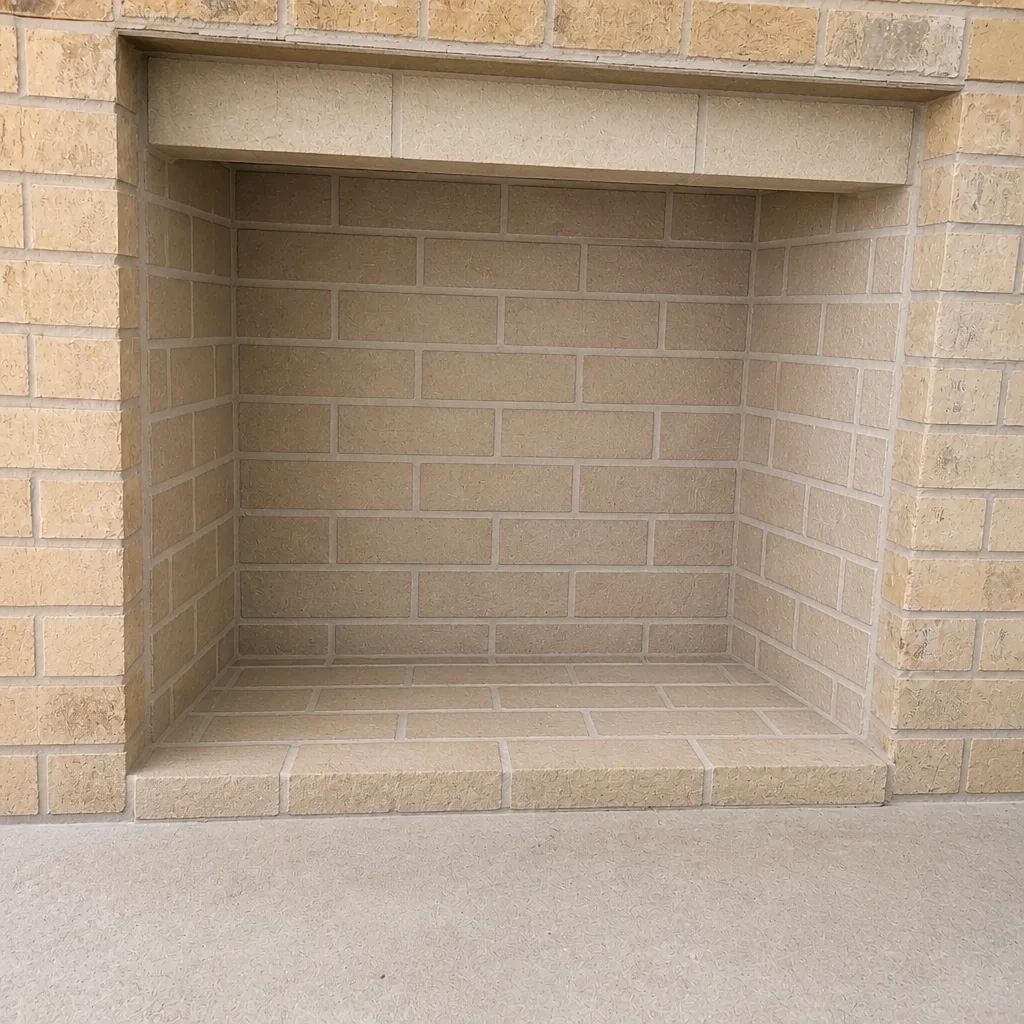
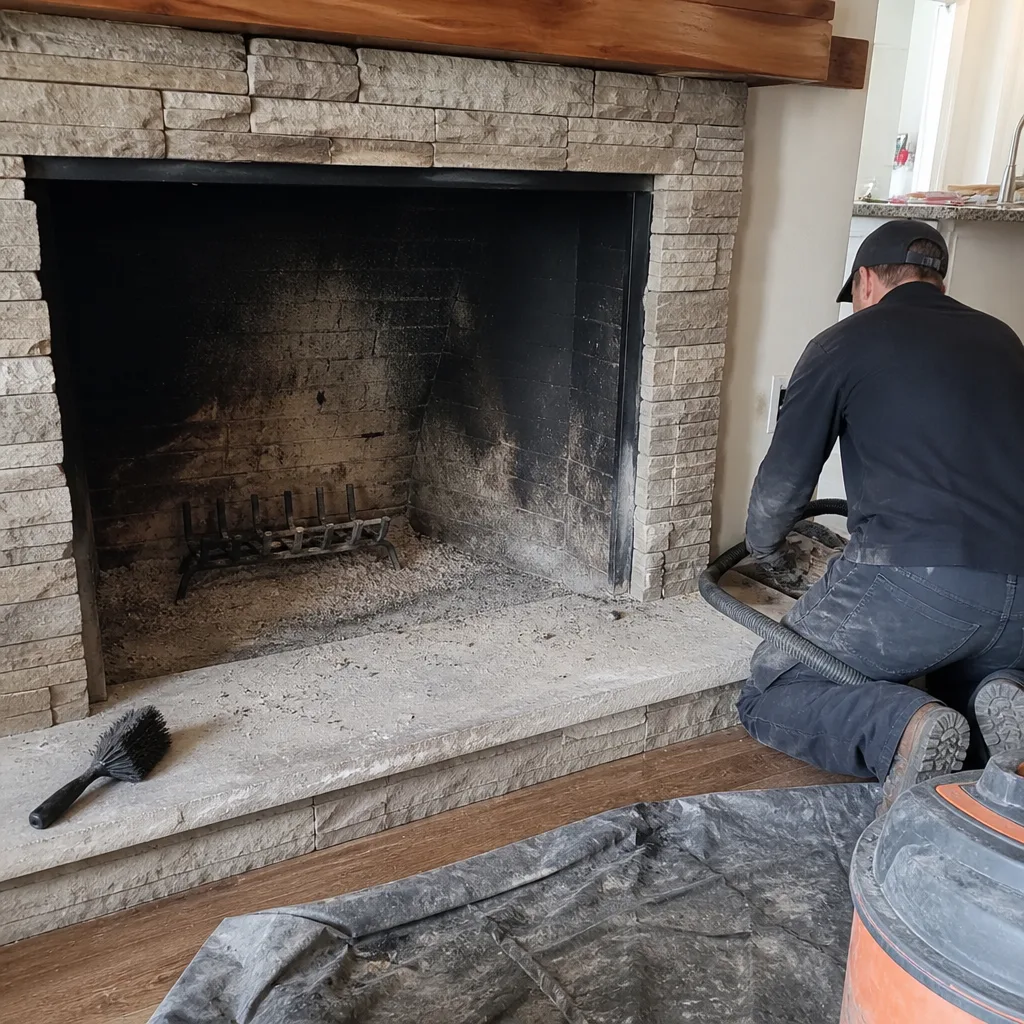
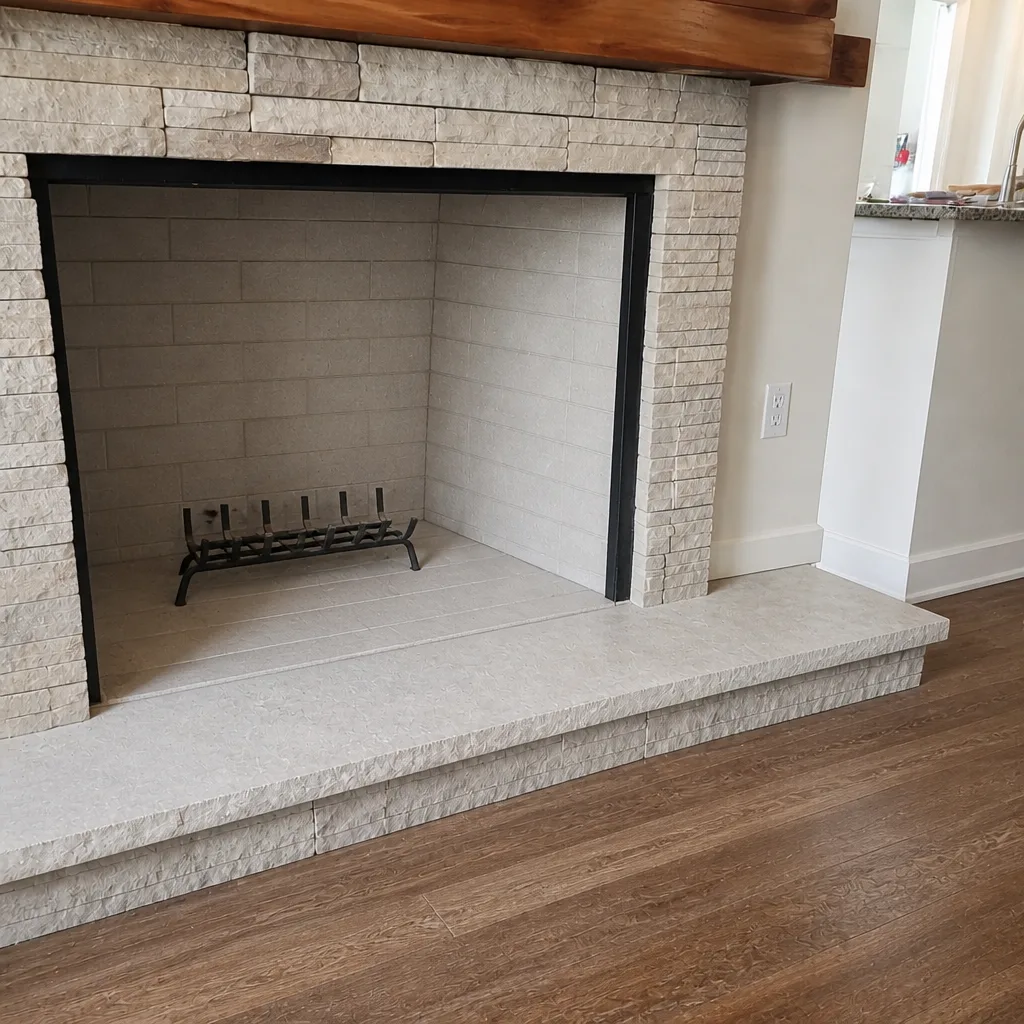
- A clear, clean flue. When we show you the before-and-after photos, the walls of the flue should look visibly cleared of soot and crust.
- A clean firebox and damper. No leftover ash or soot piled in the firebox, and a damper that opens and closes smoothly.
- A camera photo record. Images of the flue interior, so you can see the condition for yourself instead of taking our word for it.
What you should smell
A freshly cleaned chimney shouldn’t leave a lingering acrid or smoky odor in the room. Some faint soot smell right after a cleaning is normal and fades. A strong, persistent creosote smell afterward points to deposits that were left behind somewhere in the system.
What you should get in writing
- A written report. The inspection findings, the condition of the flue, and any recommended next steps.
- The photo record. Camera images documenting the flue interior.
- A flat-price sweep agreed before booking. The price is set per job by the written estimate, and you know it before the work starts.
A legitimate cleaning answers the reader’s real worry directly: you should never be told you need thousands of dollars of liner or masonry work you have no way to verify. Nothing gets recommended without camera evidence you can see for yourself, and we’ll say plainly when work can safely wait.
Signs Your Chimney Needs Cleaning Now
Sometimes a chimney tells you it’s overdue. If you notice any of these in your Roy home, move the cleaning up on your calendar.
- Smoke coming back into the room. A chimney that doesn’t draft properly, especially during an inversion, is a warning sign of blockage or buildup.
- A strong, persistent smell. A smoky or creosote odor that doesn’t go away, particularly on warmer days or when the fireplace is off, points to deposits inside the flue.
- Visible soot or creosote. Flaky soot or a crusty, tar-like deposit on the flue walls or the damper area means it’s time.
- A weak or lazy fire. If your fires struggle to catch or burn poorly, the chimney may not be pulling the way it should.
- Debris in the firebox. Leaves, twigs, or nesting material from wildlife can block a flue. A cap and crown keep them out.
One more thing worth being clear about: a chimney fire can start quietly inside a creosote-coated flue, and it can happen without the roaring sound many people expect. The risk is real, and the reason to act is safety, not sales. Cleaning and inspecting regularly reduces that risk and keeps carbon monoxide moving safely up and out of the house, not back into it. We won’t talk you into work you don’t need, and we won’t downplay what a dirty flue actually means.
How to Prepare for a Cleaning
A little prep makes the cleaning go smoothly and keeps the process clean. Before we arrive:
- Clear the hearth area. Remove fire tools, fireplace screens, and anything that could get in the way or catch soot.
- Stop burning 24 hours before. Ashes should be cold and settled when we start.
- Provide access. We’ll need to reach the firebox and, where applicable, the top of the chimney. Let us know of any access restrictions ahead of time.
- Secure pets and small children. Keep them out of the work area while equipment is in use.
- Note any questions. If you’ve noticed drafting problems or strange smells, tell us before we start so we can check for them.
Cleanings typically take a couple of hours depending on the condition of the chimney and whether any inspection findings need attention. We’ll let you know before the work begins what your written estimate covers.
Common Mistakes to Avoid
- Cleaning only the flue. Brushing the flue while leaving the firebox and smoke chamber dirty means the system isn’t actually clean, and draft problems can persist.
- Skipping the inspection. A cleaning without an evaluation of the flue misses the cracked tiles and damaged liners that a routine brushing can’t reveal.
- Going too long between cleanings. In Roy’s inversion climate, buildup can surprise you. Waiting a couple of years creates Stage 2 and Stage 3 creosote that’s far harder to remove.
- Buying consumer-grade liner materials. Cheap substitutes for proper DuraFlex or similar systems may not hold up to the heat and chemistry of a working flue, and failing liner work is expensive to redo.
- Ignoring the top of the chimney. A chimney with no cap or a cracked crown lets in water and wildlife, which leads to damage no cleaning can fix.
- Burning wet or green wood. It produces more creosote than well-seasoned wood, so you’re building up the problem you pay to have cleaned.
- Believing a cleaning shouldn’t show you proof. If a sweep can’t show you photos and a written report, you have no way to know what was found or what was left behind.
See the difference
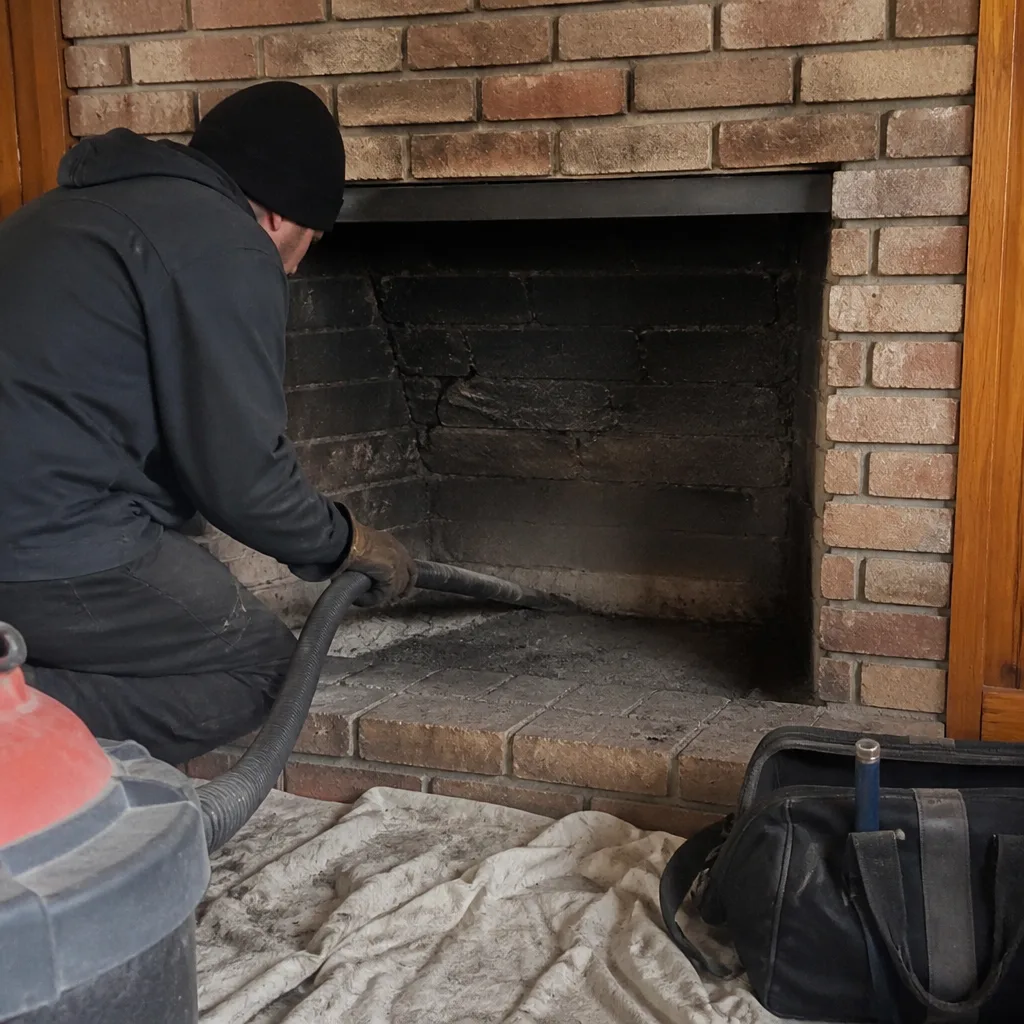 Before
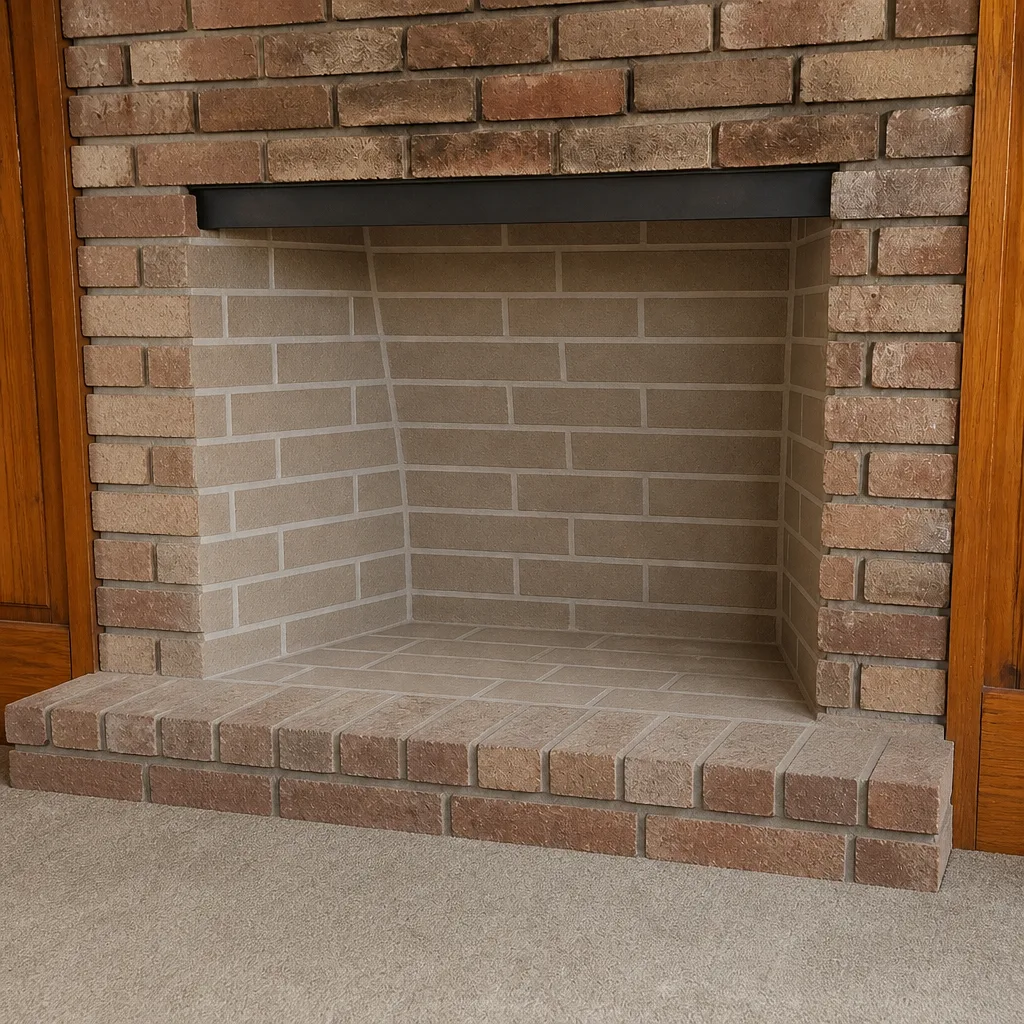 After
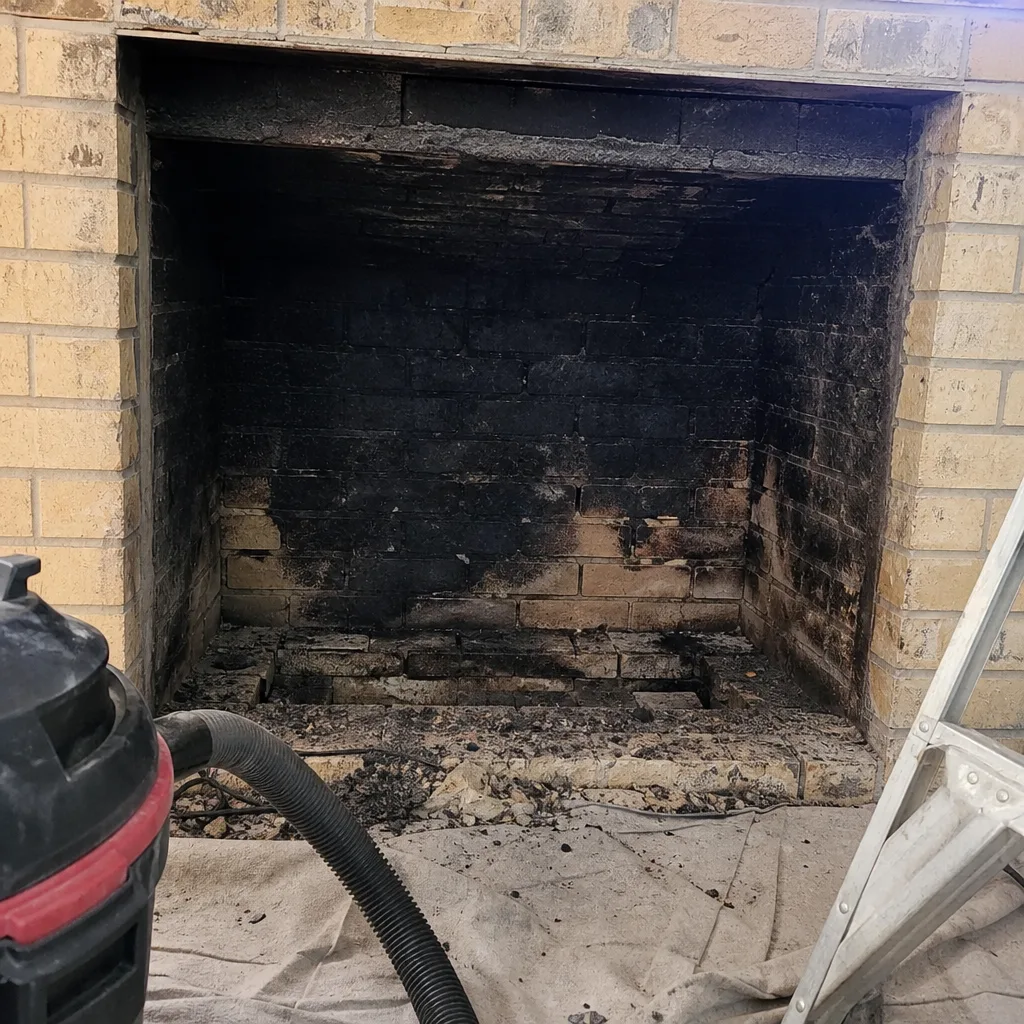 Before
 After
 Before
 After
When to Call a Professional
Call a chimney professional if you’ve never had your chimney cleaned and don’t know its history, if you notice smoke coming back into the room, or if you see or smell creosote and soot buildup. Call if you’re buying a home with a fireplace and want a Level 2 inspection before you rely on it. Call if a chimney fire has happened, if you’ve changed fuel or appliances connected to the flue, or if a repair or relining is planned. And call if your chimney has no cap or a damaged crown, which lets in water and animals and leads to damage that only gets worse with time. Chimney Sweep Roy offers free estimates in Roy. Call (877) 492-4205. We answer 24/7. Fast dispatch from 7am to 7pm, Sunday through Friday.
Frequently Asked Questions
Every chimney is different, so cleaning is priced per job by a written estimate rather than a flat rate that ignores your situation. You’ll know the price before we book, and the estimate is free. Call (877) 492-4205 for an exact quote; estimates are free.
Not always. A new liner is only needed when the existing flue is damaged, unsafe, or undersized for the appliance. A camera inspection shows exactly what condition your flue is in, and nothing gets recommended without photo evidence you can see for yourself. HeatShield resurfacing can sometimes restore a deteriorating flue without a full tear-out, which is worth asking about before assuming you need a replacement. Call (877) 492-4205 to find out what your flue actually needs; estimates are free.
Most Roy households that burn wood regularly should have the chimney cleaned once a year, ideally before burning season starts. If you burn daily, burn wet wood, or notice draft problems, it may need attention sooner. In our inversion climate, buildup can happen faster than the generic advice assumes. Call (877) 492-4205 to get on a cleaning schedule; estimates are free.
Creosote keeps building on the flue walls, and as it moves from flaky soot to hardened crust to a glazed, tar-like coating, it becomes more flammable and much harder to remove. A blocked or coated flue also drafts poorly, which can send smoke and carbon monoxide back into the room instead of up and out. Skipping a cleaning isn’t a small delay; it’s a growing safety concern. Call (877) 492-4205 to schedule a cleaning; estimates are free.
We service gas fireplaces as well as wood-burning ones. Gas appliances don’t produce creosote the way wood does, but the venting and flue can still develop blockages and need periodic inspection. The right interval depends on how you use it, and we’ll tell you honestly what your fireplace needs.
You should get a written report of the inspection findings, a photo record from the camera inspection of your flue, and the flat-price sweep agreed before booking. The written estimate sets the final price, and the photos let you see the condition for yourself. That’s how you know the work was done and what, if anything, needs follow-up. Call (877) 492-4205 to book; estimates are free.
The Bottom Line
In Roy, cleaning a chimney is about more than an annual brush. The elevation and inversion seasons mean creosote can build differently here than in lower-elevation Utah cities, so the timing and the depth of the work matter. Clean the firebox, smoke chamber, and flue as one system. Match the inspection level to your situation, especially if you’ve just moved in or you’re relying on a chimney you don’t know the history of. Use contractor-grade materials and get a camera record and a written report in hand. And know that nothing gets recommended without evidence you can see, with an honest word on when work can wait. For free estimates in Roy, call (877) 492-4205. We answer 24/7, with fast dispatch from 7am to 7pm, Sunday through Friday.
Written by the team at Chimney Sweep Roy. For a free estimate, call (877) 492-4205. You can also learn more about our full chimney services by visiting Chimney Sweep Roy.