
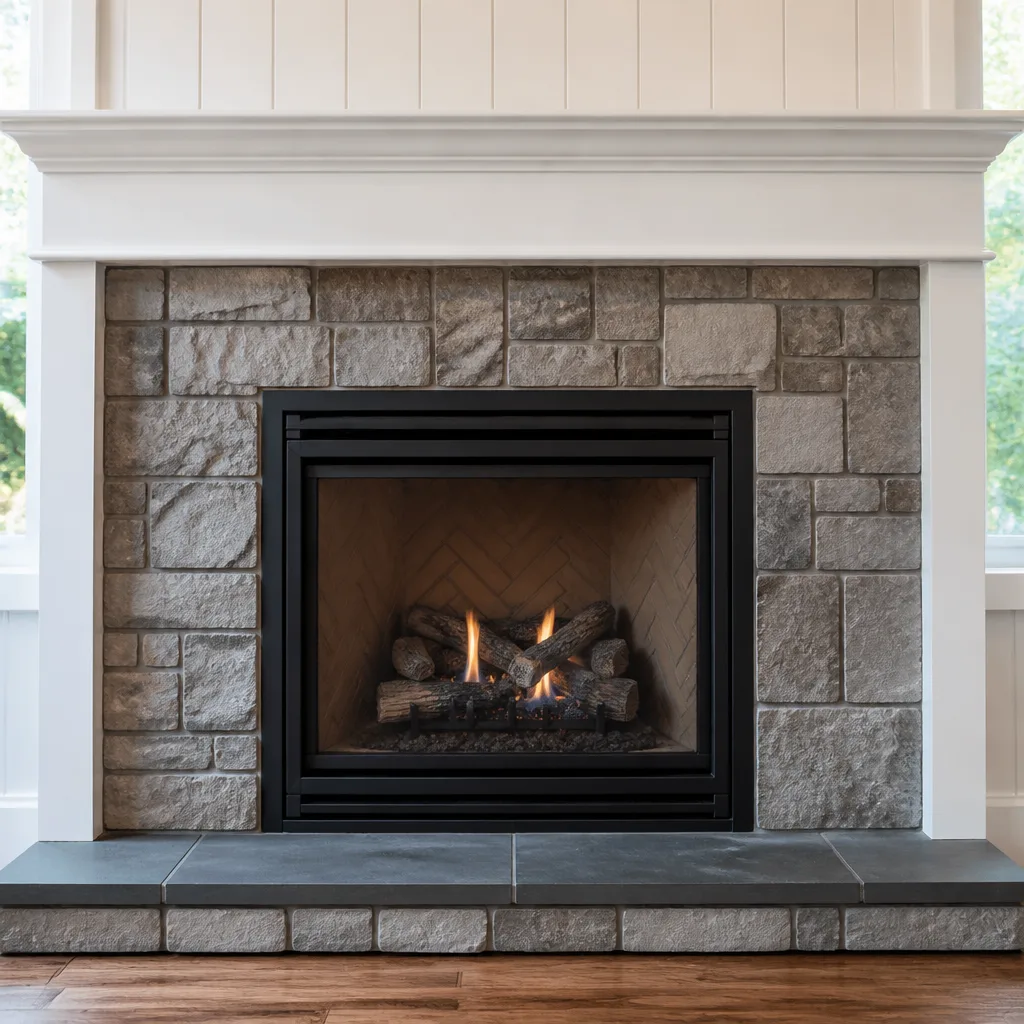
 Gas fireplace service
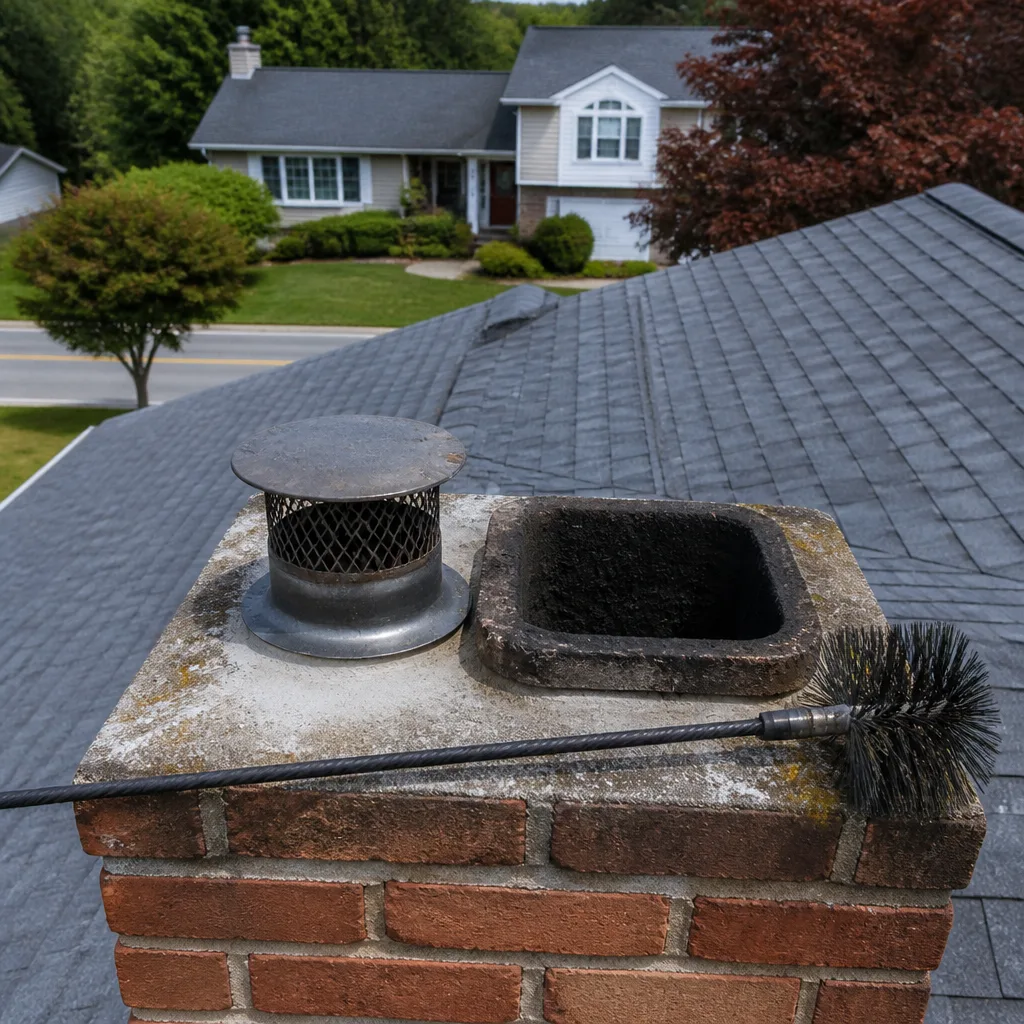 Sweep & inspection
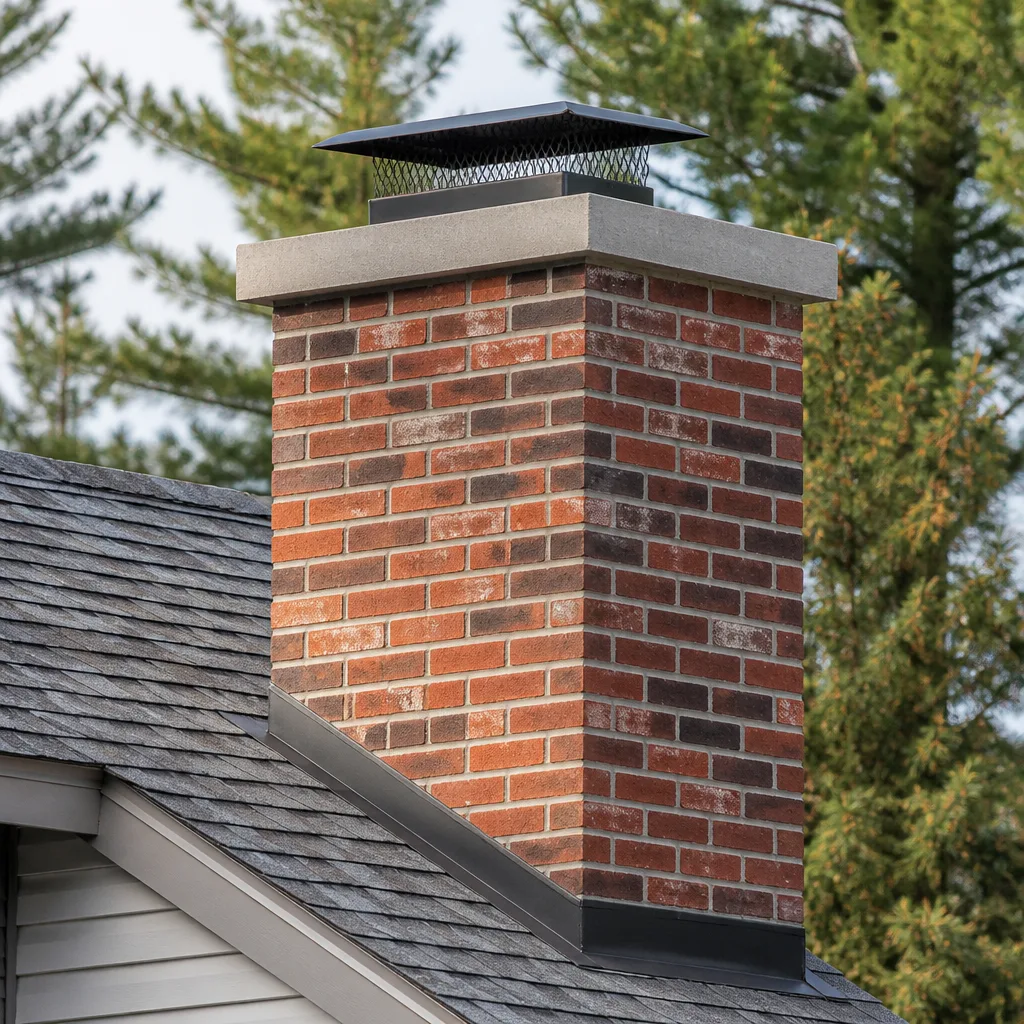 Caps & crowns
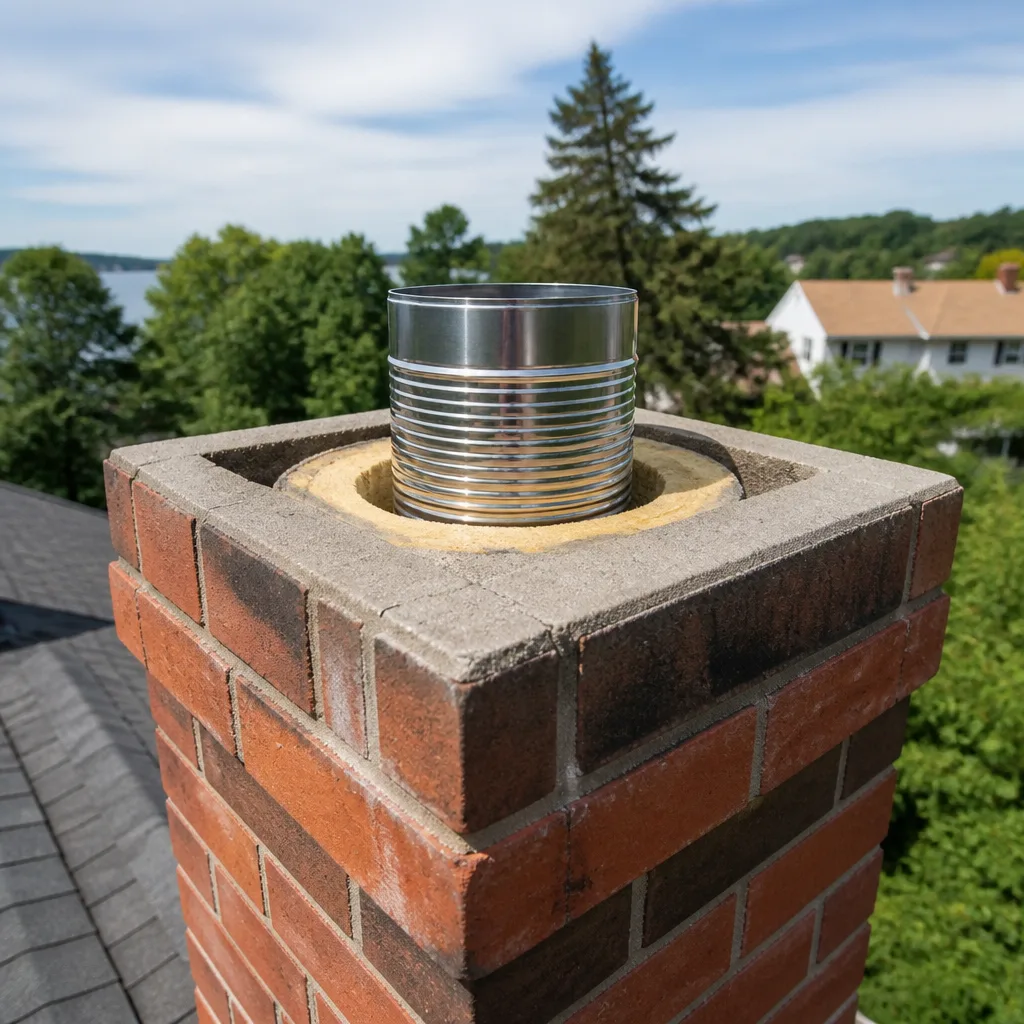 Flue relining
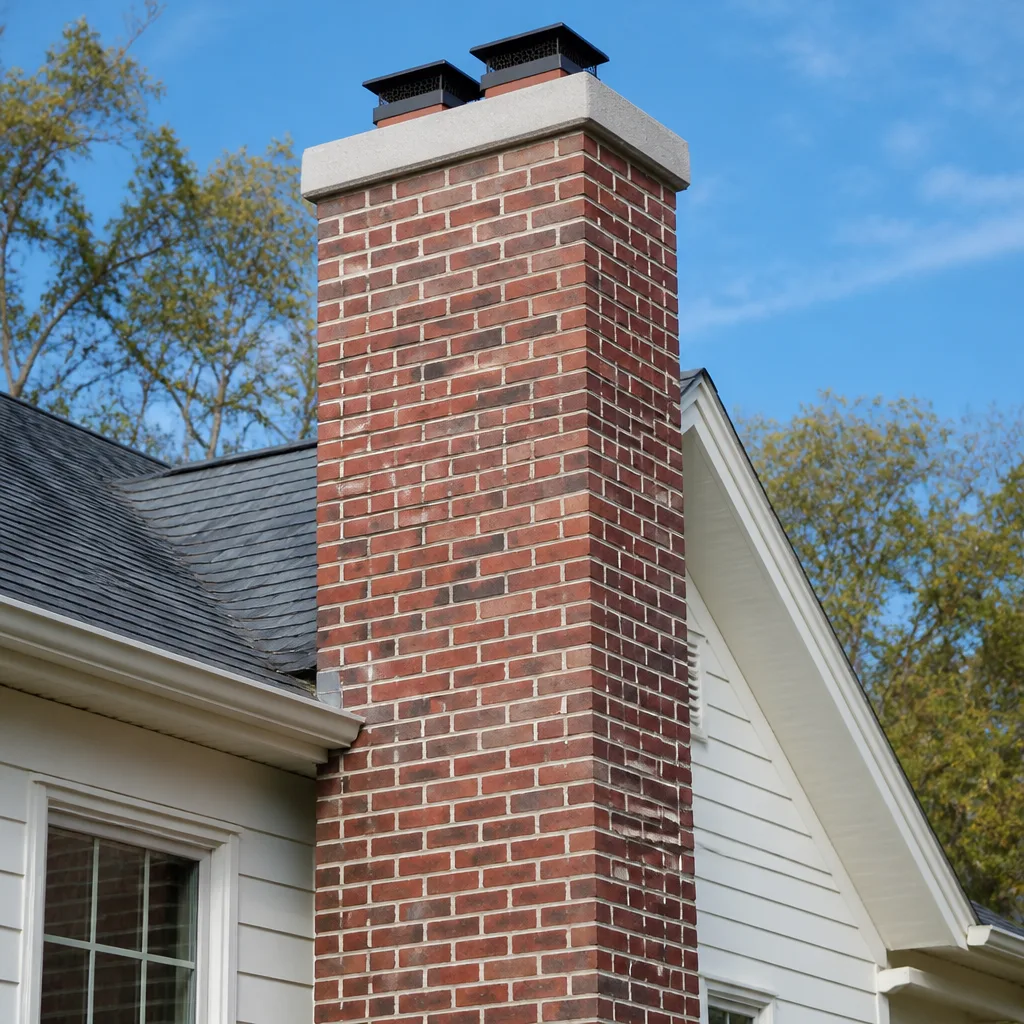 Masonry repair
Level 1 sweep and inspection to the NFPA 211 annual standard - flue, crown, cap, and flashing checked and photographed
Chimney sweep logs do not sweep chimneys. They loosen some creosote - which then falls where a brush and vacuum still have to collect it.
Why Roy Homeowners Choose HeatShield Chimney Cleaning
We provide independent HeatShield chimney cleaning and liner service in Roy, and what sets our HeatShield work apart is that we treat a cast-in-place ceramic liner as its own kind of system, not as a standard clay flue with a brand name on it. We evaluate existing HeatShield liners, service them, and work alongside them in the same flue run. We’re an independent HeatShield service provider, in no way authorized, sponsored or endorsed by HeatShield. If you own a HeatShield-lined chimney in Roy and want a straight answer on its condition, call (877) 492-4205. We answer 24/7.
HeatShield is a cast-in-place refractory liner system. Independent sweeps who reline flues regularly learn how the cured ceramic formula behaves over decades of thermal cycling. That knowledge comes from hands-on relining, not from a manufacturer credential. Roy’s housing stock makes it matter: much of the town was built out between the 1950s and 1970s around Hill Air Force Base, and many of those ranches still carry the original fireplace and flue setup. When a HeatShield liner goes into one of those stacks, it’s working alongside old masonry, and that’s where the real diagnosis happens.
Why Trust Chimney Sweep Roy for Your HeatShield Chimney Cleaning?
HeatShield systems are proprietary formulas, and that changes how skilled service works. A generic sweep brush doesn’t care what the flue is lined with. We do. Our technicians have up to 9 years of experience working with HeatShield liners and the masonry around them, and that experience shows in how we approach a certified ceramic surface: proper brush selection, controlled contact that cleans without gouging a cured compound surface, and a camera check before and after so you can see what we saw.
Quality parts matter here more than in most chimney work. Matching original materials is the whole game with a cast-in-place liner, so we specify genuine HeatShield compound or a compatible listed lining system rather than a random castable. A cheap aftermarket patch over a proprietary ceramic surface tends to fail at the bond, and it fails fast. We won’t put our name on that.
Warranty-safe practice is part of the job too. We document condition with photos, we don’t alter a liner’s structure unless the repair calls for it, and we keep records of what was done so any future warranty conversation has evidence behind it. If a liner is sound, we tell you it’s sound. That’s the whole reason to work with a chimney specialist in Roy instead of a generalist with a brush on the truck.
Styles & brands we work with
- Sweep & inspection
- Caps & crowns
- Flue relining
- Masonry repair
- Gas fireplace service
Common HeatShield Chimney Cleaning Problems We Fix in Roy
HeatShield liners are durable, but they’re not immune to the conditions in northern Davis County. Cold high-desert winters at the foot of the Wasatch Range give Roy a long heating season, and frequent valley inversions trap woodsmoke low, so these flues see heavy annual creosote loads. Here’s what we actually find when we open one up.
- Hairline cracking and delamination at the top few courses. The top of a HeatShield liner takes the worst thermal shock in the whole run, with cold outside air on one side and hot flue gas on the other. Over years of that cycling, hairline cracks and thin delamination show up in the uppermost courses. It’s the first place to look during a Level 2 Inspection.
- Spalling or softening around the flue collar and damper frame. When water intrusion has saturated the masonry behind the liner, the compound around the collar and damper frame can spall or soften. That’s not a cleaning problem; it’s a moisture problem showing up in the liner zone.
- Crown and flashing failures that track water down the liner’s outside. A cracked crown or failed flashing lets water run down the outside of a HeatShield liner. You see the result inside as rust-stained wash on the firebox and mortar erosion at the joints, and it mimics a liner failure when the liner itself is fine.
- Separated joints at the firebox throat and stove connector. Where a HeatShield liner meets the firebox throat or an insert connector, decades of expansion and contraction can open a gap or lose the seal. That gap leaks smoke and draft in the wrong direction on inversion days.
- Poor draft on cold inversion days in older ranch homes. The dense cluster of 1950s and 1960s brick-ranch fireplaces near the old Roy and Hill AFB boundary often has undersized or spalling original clay liners, and on a stagnant winter day a cold chimney won’t draft. Smoke pushes back into the house, and homeowners call thinking the liner has failed. Sometimes it has. Sometimes the flue is just cold and undersized for the appliance.
HeatShield Parts & Our Repair-vs-Replace Approach
Because HeatShield systems use proprietary formulas, we don’t treat parts as interchangeable. We source quality parts that fit HeatShield equipment, and where the repair calls for compound, we specify genuine HeatShield compound or a compatible listed lining system. We don’t claim to stock genuine parts, and we’ll tell you plainly when a part has to be matched rather than substituted.
Repair versus replace comes down to the liner’s actual condition, not its age. A sound HeatShield liner with localized crown, flashing or joint issues is usually a repair, and a good one. A liner that’s fully failed, improperly cured, or showing delamination through most of its run justifies relining rather than patchwork. Patch a failing liner and you’re paying twice.
None of that decision gets made on guesswork. A Level 2 Inspection with a camera gives us the evidence, and it gives you the same view we have. Call (877) 492-4205 for a free estimate. We answer 24/7.
Our HeatShield Service Process – Step by Step
- 1
Diagnosis with a Level 2 Inspection. A camera run through the full flue shows us the liner’s condition course by course, plus the crown, flashing and joints. We check the top courses for thermal-shock cracking first, since that’s where HeatShield liners usually begin to go.
- 2
Repair or install. If the liner is sound and the problem is water-driven, we rebuild or reseal the crown, repair the flashing and repoint as needed. If the joint at the throat or connector has separated, we reseal it. If the liner has failed, we reline with a compatible listed system.
- 3
Waterproofing and sealing. We apply breathable waterproofing to the masonry so it can dry outward, and we reseal liner joints where the repair calls for it. Trapping moisture in old brick is worse than leaving it exposed.
- 4
Test and document. A post-repair camera scan confirms the work, and you get the photos. Warranty-safe records go with it, so any future conversation about the liner has evidence behind it.
See the difference
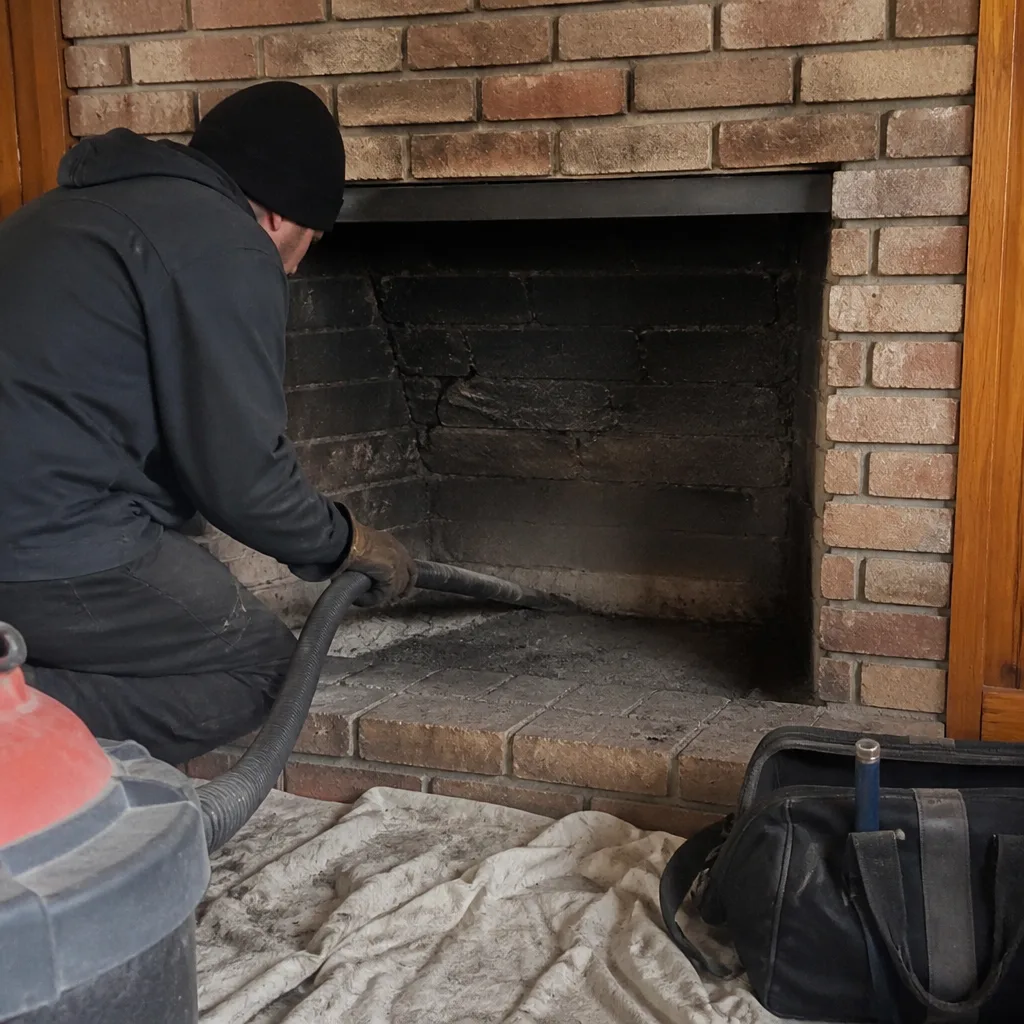 Before
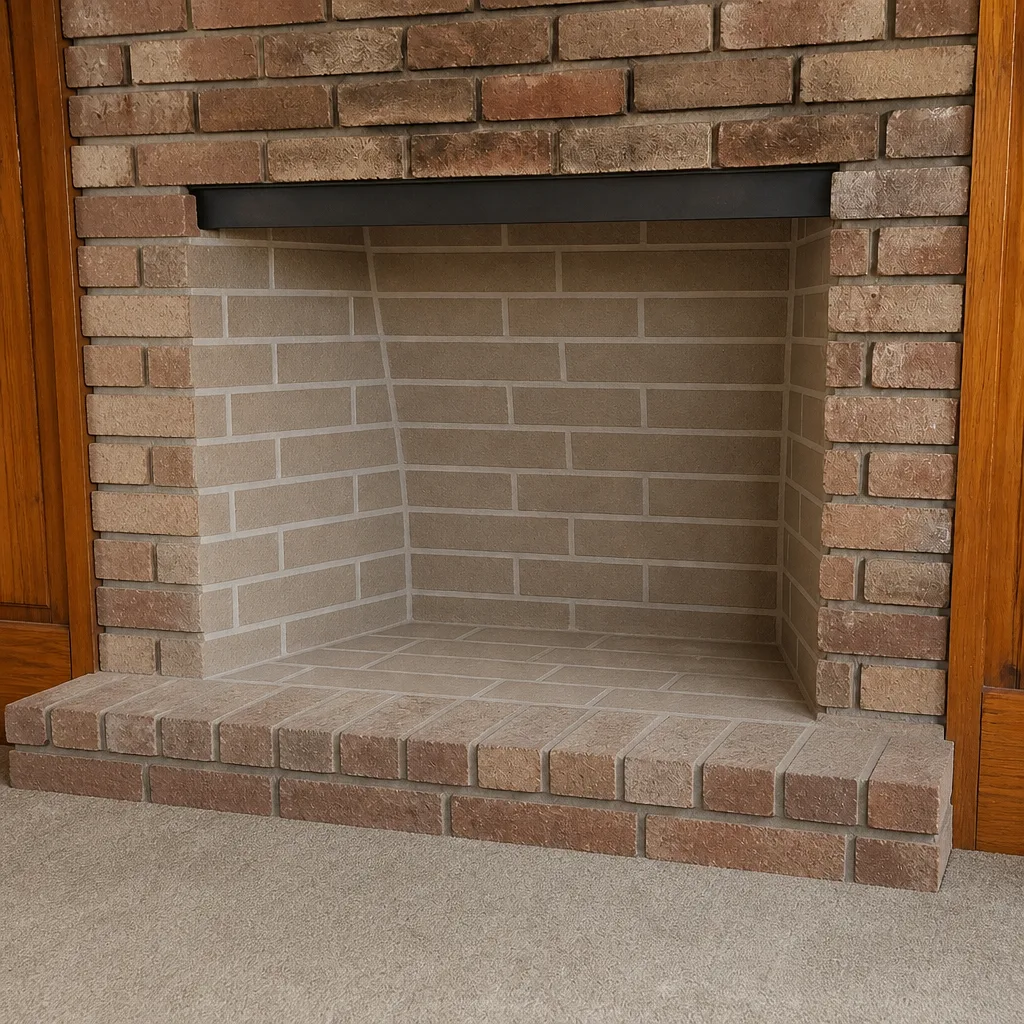 After
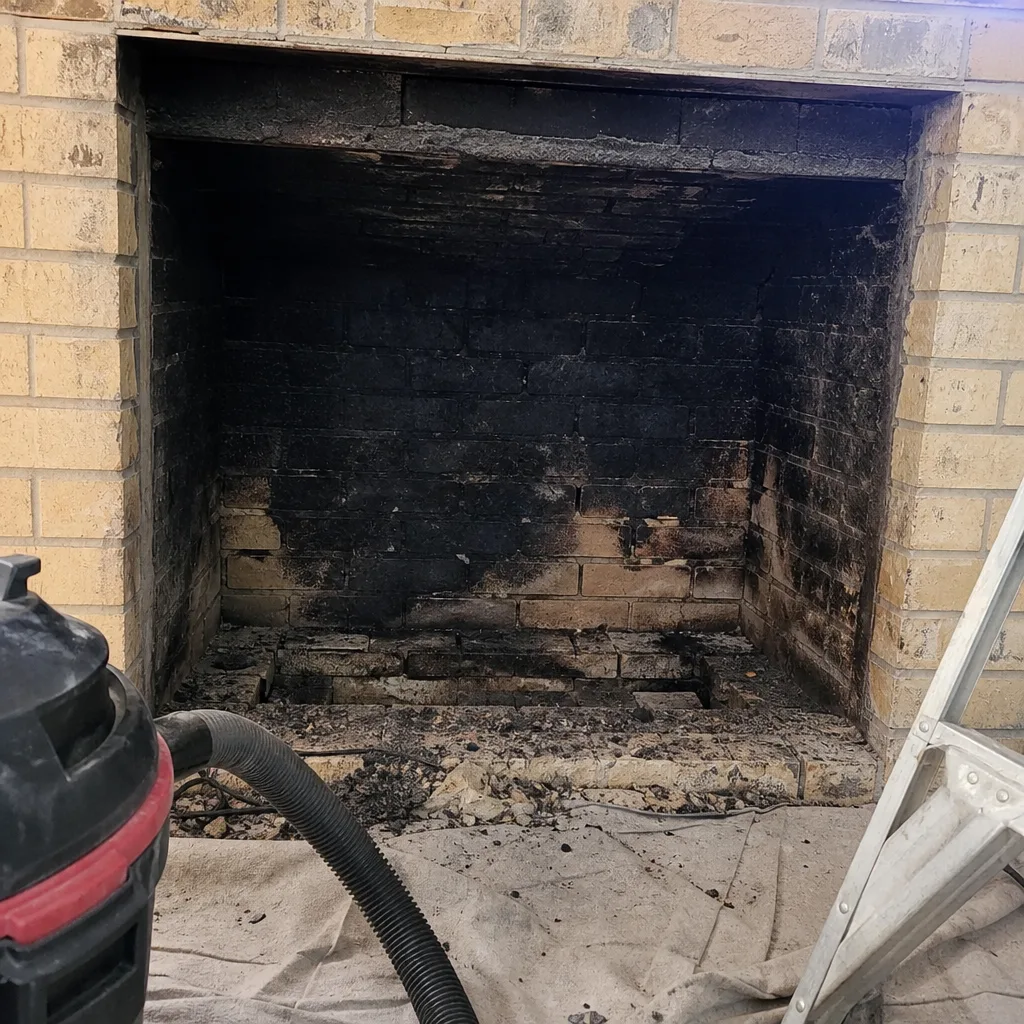 Before
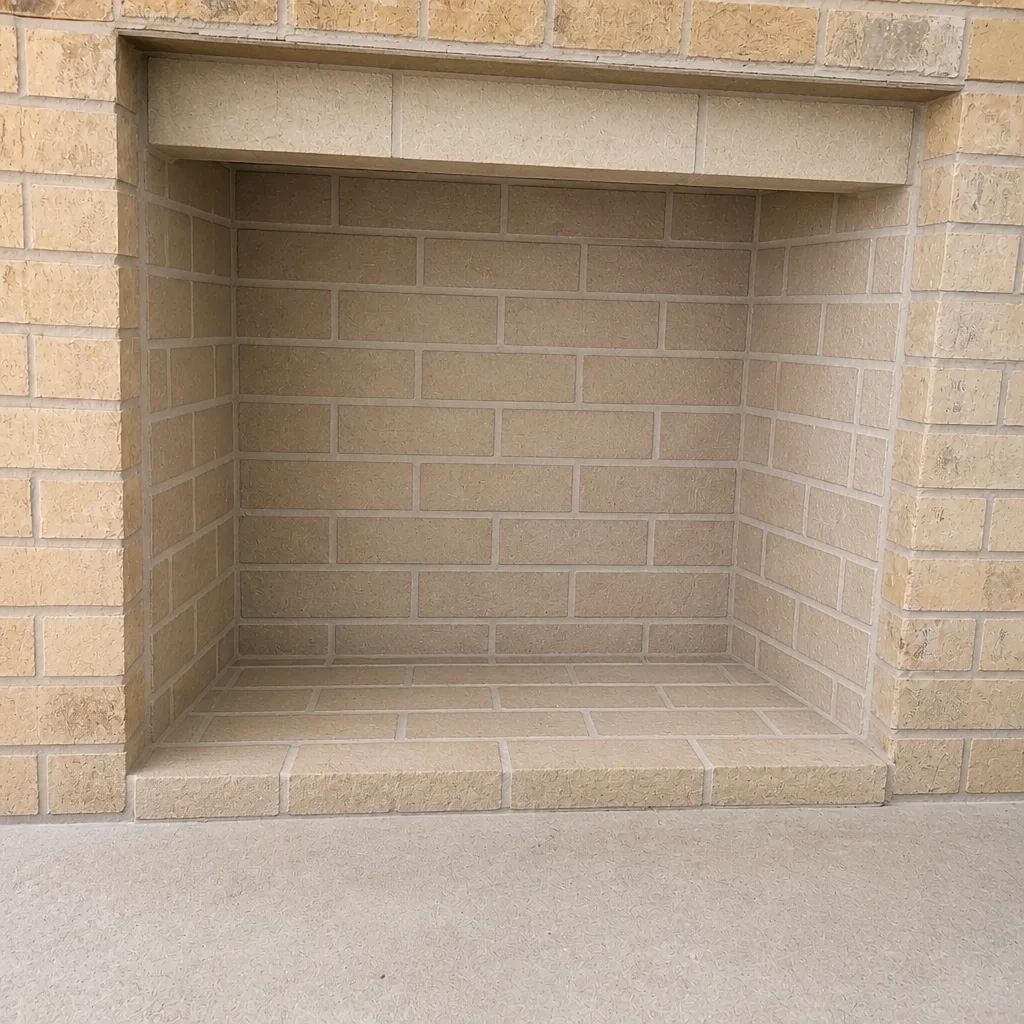 After
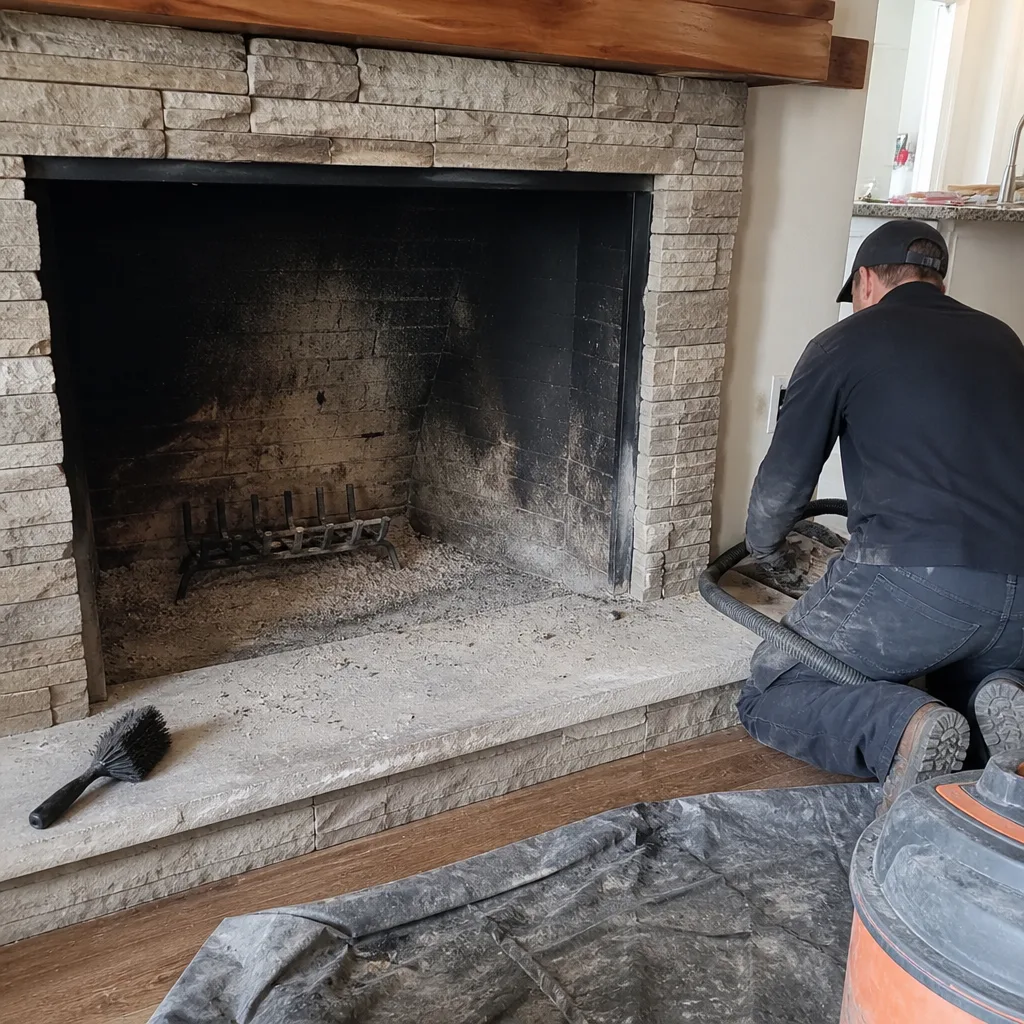 Before
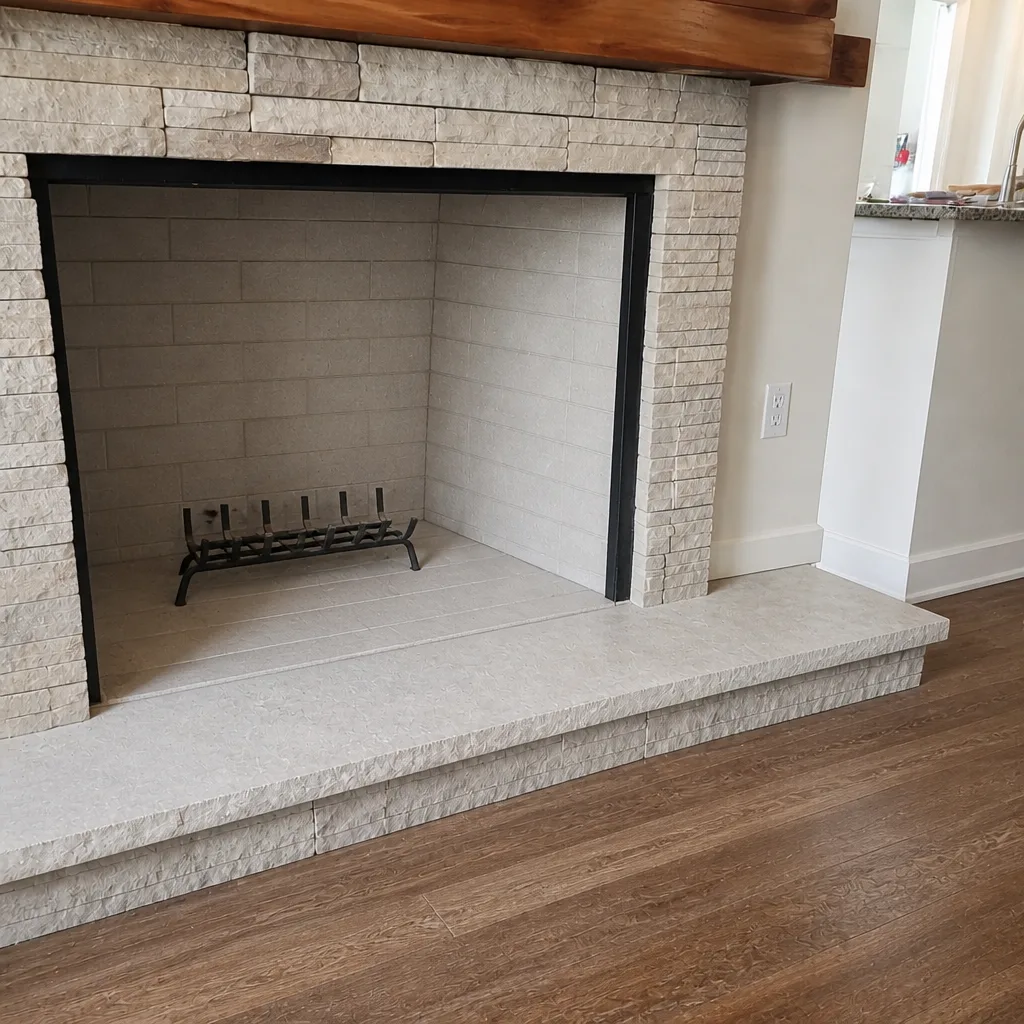 After
HeatShield Products We Service & Install in Roy
We work across the HeatShield product range as it applies to residential chimneys in Roy. That includes HeatShield 2000, the single-flue cast-in-place lining system, and HeatShield Insu-Liner with TherMix insulating mix, where insulation is part of the fix. On the repair side we work with HeatShield Resurfacing Compound for cracked or spalled original flue tiles, and with HeatShield custom-formed crown and flashing components where the water intrusion starts at the top. We evaluate existing liners, service them, and install where a reline is the right call. We don’t claim to stock these systems, and every job is scoped to the chimney in front of us.
We Also Service These Brands
HeatShield is one part of what we do, not the whole of it. We also work with DuraFlex liner systems and Gelco products, and we handle the full chimney system from firebox to crown. One specialist, the whole chimney, no handoff to a second contractor. If your Roy home has a different liner brand or a mix of systems, call and we’ll tell you what we can service.
FAQs – HeatShield Chimney Cleaning Service in Roy
No. We are an independent HeatShield service provider, in no way authorized, sponsored or endorsed by HeatShield. We service and install HeatShield systems using quality parts that fit them, and we’re upfront about that independence because it means our recommendation follows the condition of your liner, not a manufacturer program. Call (877) 492-4205 if you want an honest read on your liner.
Yes. HeatShield systems use proprietary formulas, so we specify genuine HeatShield compound or a compatible listed lining system rather than a generic castable. We don’t claim to stock genuine parts or to be a HeatShield dealer. We match the material to the liner, because a mismatched patch fails at the bond and costs you more later.
A HeatShield cleaning and inspection is typically a single visit, while a crown repair, flashing repair or joint reseal may take longer depending on access and how much masonry is involved. A full reline is a bigger job than either. The written estimate sets the scope before any work begins, so you know what you’re agreeing to. Call (877) 492-4205 for an exact timeline on your chimney.
We cover the HeatShield products that apply to residential chimneys: HeatShield 2000 cast-in-place lining, HeatShield Insu-Liner with TherMix insulating mix, HeatShield Resurfacing Compound for cracked or spalled original flue tiles, and HeatShield custom-formed crown and flashing components. If you’re unsure which one your chimney has, a Level 2 Inspection tells you.
Proper service performed with matching materials and documented with photos should not void a HeatShield warranty, and we work in warranty-safe ways for exactly that reason. We don’t alter a liner’s structure unless the repair calls for it, and we keep records of what was done. We can’t speak for HeatShield’s warranty terms, so keep your own documentation as well.
Cost depends on the liner’s condition, how much creosote has built up, and whether crown, flashing or joint work is needed. Cleaning and a Level 2 Inspection sit at the low end; crown repair, waterproofing and joint resealing add to that; a reline is the largest scope. The written estimate sets the final price, and the estimate is free. Call (877) 492-4205 for an exact quote.
Not quite. A HeatShield liner is a cured ceramic surface, so it’s cleaned with controlled brush contact that lifts creosote without gouging the compound, and it’s inspected before and after. Treating it like a rough clay flue is how liners get damaged. We clean it as what it is.
Rust staining near the damper usually means water is getting in from above, not that the liner has failed. A cracked crown or failed flashing lets water track down the outside of the HeatShield liner, and it shows up as rust-stained wash on the firebox and mortar erosion at the joints. The fix is usually at the top of the chimney. Call (877) 492-4205 and we’ll find the source.
A camera scan decides it. A liner that’s sound through most of its run with localized crown, flashing or joint problems is usually a repair, while one that’s fully failed, improperly cured or delaminating through most of its length justifies relining. Here’s how that kind of job usually goes: a homeowner notices water stains on the firebox and a faint rust line at the damper, and a Level 2 video scan shows a HeatShield liner that’s sound for most of its run but has cracked compound at the top course below a failing crown. The usual cause is years of water entering the crown and flashing rather than a liner defect, so a qualified local pro rebuilds or reseals the crown, repairs the flashing, applies breathable waterproofing to the masonry and reseals the liner joint, confirming with a post-repair camera scan. You see the evidence before you agree to anything.
Yes, in most cases. Breathable waterproofing on the masonry keeps water out while letting the brick dry outward, which protects the masonry behind the liner. It’s the cheapest defense against the crown and flashing failures that mimic liner problems. We include it where the inspection calls for it.
Often, but it depends on the liner’s size, condition and how the insert connector meets the liner at the throat. A HeatShield-lined flue can work with a gas insert when the liner is sound and the connector seals properly. A Level 2 Inspection answers it before you buy anything.
Book Your HeatShield Service in Roy, UT
If you own a HeatShield-lined chimney in Roy, get a straight read on its condition before burn season puts it to work. We’ll inspect it with a camera, show you what we find, and tell you plainly whether it’s a cleaning, a repair or a reline. Call (877) 492-4205 for a free estimate. We answer 24/7, fast dispatch from 7am to 7pm, Sunday through Friday.
Written by the team at Chimney Sweep Roy.